
From Careless to Accountable: Guide to Teaching Kids Ownership
By
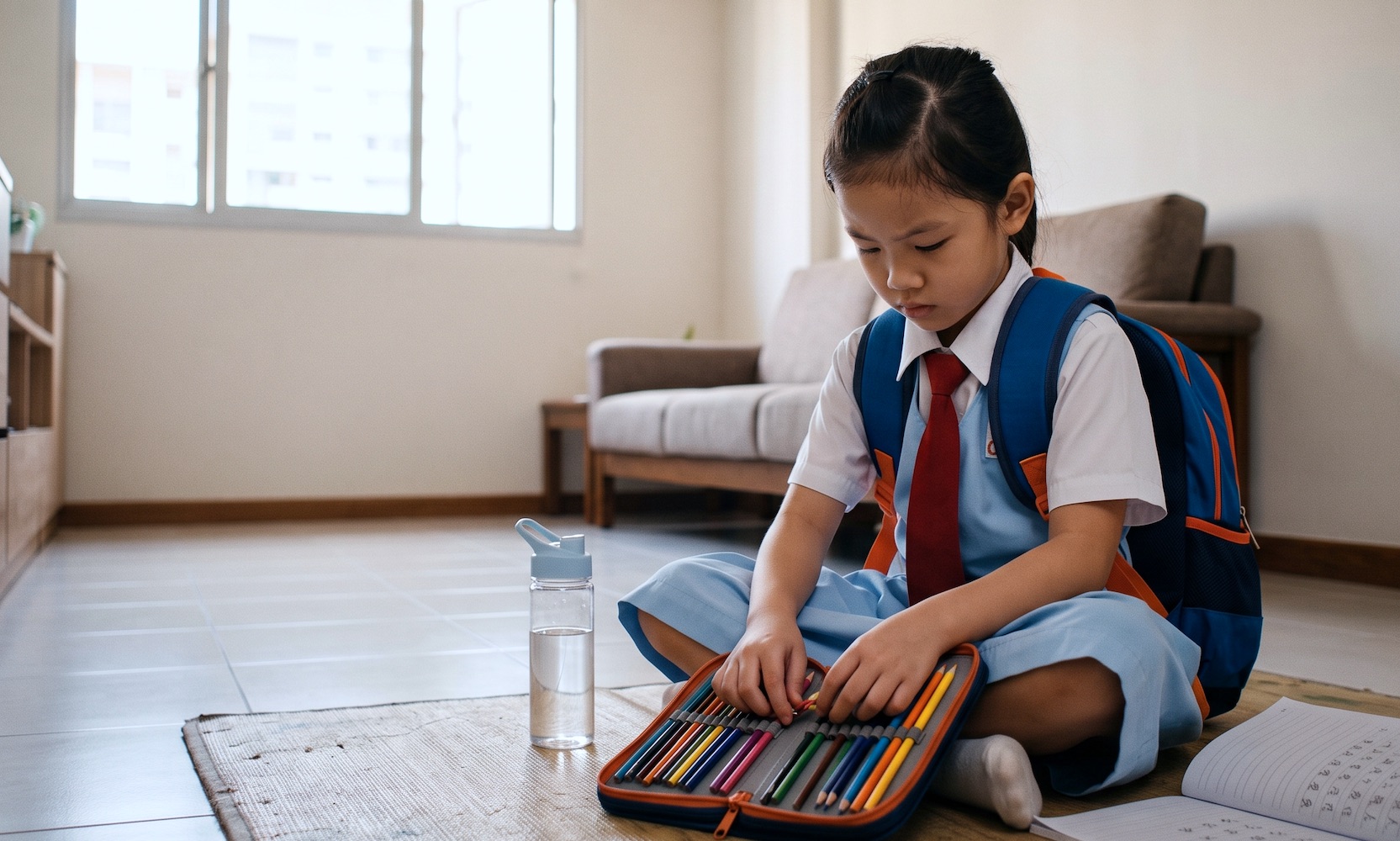
Every time you rush to buy another expensive smart watch or pencil case, you teach your child that items have no value. This realistic routine helps you set firm boundaries, handle missing school gear, and build genuine personal accountability before they head off to secondary school.
🎯 1. Read this First
This is the foundational approach required before you modify any daily routines at home.
-
Focus on ownership.Allow your child to experience the natural discomfort of misplaced items instead of constantly rescuing them with backups.
🚨 2. Warning Signs
Watch for these behavioral patterns that signal a deeper lack of accountability rather than simple childhood forgetfulness.
-
Blaming external factors.The child regularly faults classmates, teachers, or transport helpers for their own missing items instead of acknowledging personal oversight.
-
Total emotional detachment.Showing zero concern when expensive textbooks, uniforms, or smart cards vanish because they assume you will replace them instantly.
-
Repeated identical losses.Losing the exact same item multiple times a week suggests a total absence of a personal verification routine.
⏳ 3. Do Ahead
Set up these environmental and physical boundaries before the school term begins to build independent tracking habits.
-
Label every item.Affix permanent waterproof name stickers to water bottles, pencil cases, and shoes together so they recognise their physical property clearly.
-
Create landing zones.Establish fixed boxes near the entryway specifically for wallets, transit cards, and school hats to prevent mindless cluttering.
-
Build bag checklists.Laminate a pictorial list of daily essentials and attach it to their schoolbag zipper for easy independent afternoon packing.
-
Secure pocket money.Provide a lanyard wallet that attaches inside the school bag to prevent lunch money or smart cards from slipping out.
⚡ 4. While It's Happening
Execute these active steps during daily routines to reinforce tracking habits without nagging.
-
Enforce immediate unpacking.Require the child to empty their schoolbag, lunch boxes, and forms the moment they step through the front door.
-
Run verbal counts.Ask your child to count their three core items aloud before leaving any location like student care or tuition.
-
Withhold physical assistance.Watch them struggle to pack or search for items without stepping in to do the manual work for them.
-
Prompt backwards glances.Train them to turn around and inspect the school bus seat or classroom desk every time they stand up.
🔄 5. Afterward
Follow these steps when items inevitably go missing to ensure the learning moment is fully utilised.
-
Lead the search.Make the child physically retrace their steps and question the general office staff themselves instead of emailing the teacher.
-
Deduct replacement costs.Require them to pay a small portion of replacement costs for lost items using saved pocket money or extra chores.
-
Review the failure.Discuss calmly exactly where the routine broke down so they can adjust their packing sequence for the next school day.
🚫 6. Don't Bother
Ignore these redundant practices that waste parental energy and fail to teach actual long-term accountability.
-
Skip stockpiling replacements.Avoid buying five identical water bottles or pencil cases, as abundance removes any incentive for the child to be careful.
-
Don't buy trackers.Resist tagging cheap school items with digital bluetooth locators, which shifts the responsibility from the child to your smartphone.
-
Ignore long lectures.Stop repeating lengthy speeches about the monetary value of items; children tune out words and only respond to consequences.
🧠 7. For Adults
Maintain your personal emotional stability and keep your temper intact while your child learns through natural mistakes.
-
Separate your ego.Realise that a child losing a jacket is not a reflection of your parenting skills or household organisation efficiency.
-
Fund a replacement allocation.Set aside a small monthly sum for school expenses to remove financial irritation when replacements are genuinely required.
-
Practice neutral silence.Deliver the consequence of a lost item with a calm face, preventing your own adrenaline levels from spiking unnecessarily.
More Parenting Checklists
From school transitions to family trips — get on top of major family milestones with our complete library of practical, zero-fluff trackers.
Operational Guide Only: This checklist is a practical framework designed to streamline family logistics and reduce daily household anxiety. It does not constitute absolute rules. Parental discretion and adjustments should always be made based on your specific circumstances.
Important Medical Disclaimer
This information is for informational and educational purposes only. It is not a substitute for professional medical advice, diagnosis, triage, or treatment. Never disregard professional medical advice, ignore red-flag symptoms, or delay seeking clinical care because of instructions found within this digital tool. In an acute health crisis or emergency, proceed immediately to the nearest 24-hour pediatric clinic or hospital Accident & Emergency (A&E) department.