
Raising Self-Reliant Learners: Building Independent Study Habits Early
By
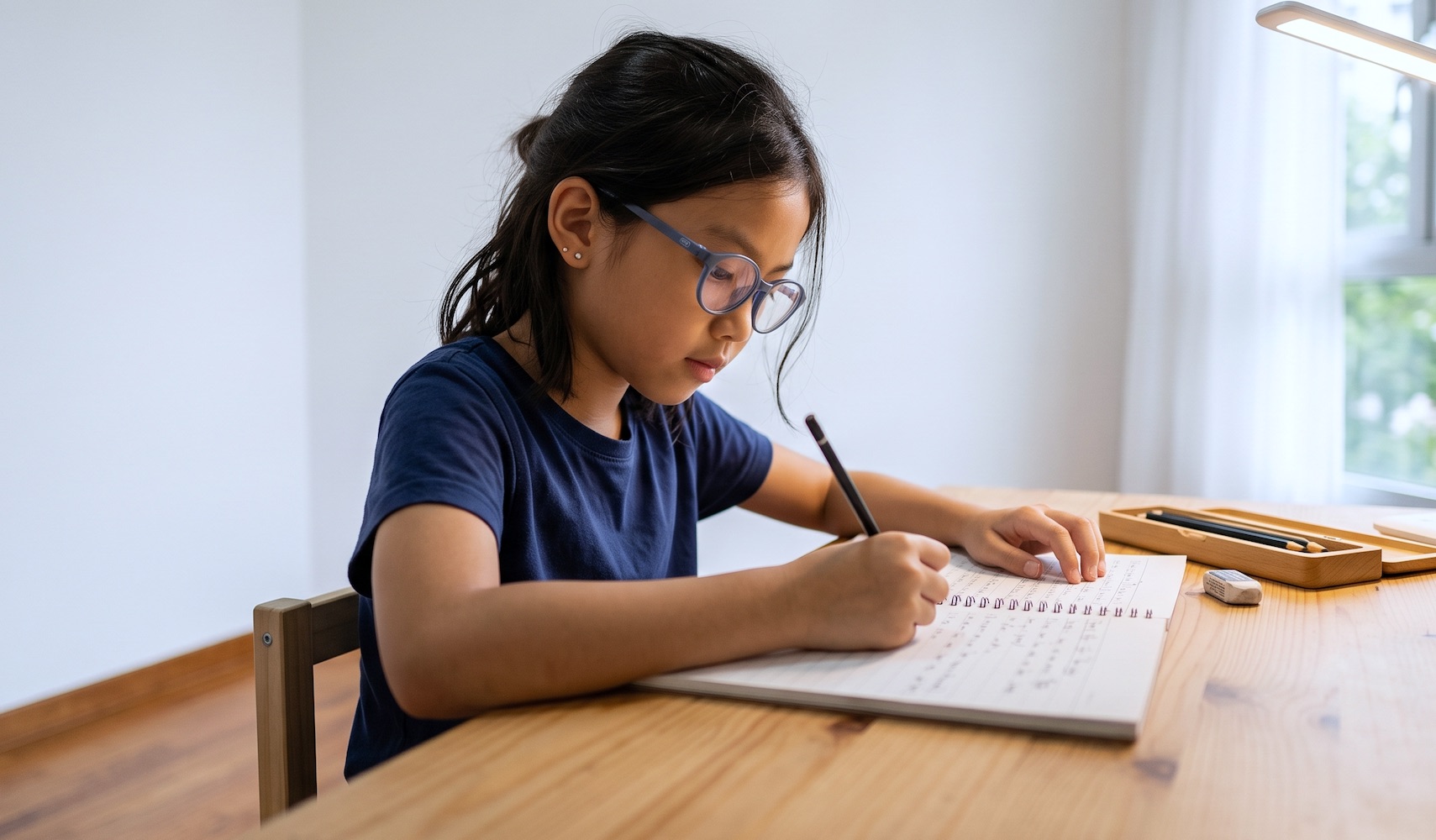
We often favour quick fixes by giving children the answers just to finish the work quickly. However, this stops them from developing true independence. Use this straightforward checklist to restructure the afternoon routine, allowing your child to tackle school assignments alone while you protect your evening sanity.
🎯 1. Read this First
This foundational rule sets your primary objective and helps you bypass minor academic distractions.
-
Prioritise independent completion.Focus entirely on building the habit of solo work over flawless academic accuracy so your child develops long-term self-reliance and genuine ownership of their school assignments.
🚨 2. Warning Signs
Watch for these behavioural indicators that require direct intervention before the situation escalates further.
-
Spot physical stress signs.Notice if your child develops eye blinking, nail biting, or frequent stomach aches before starting school tasks. These point to severe academic anxiety.
-
Track chronic work avoidance.Track when simple worksheets take four hours or lead to intense crying sessions. This indicates the current workload mismatch needs school intervention.
-
Note deceptive hiding behaviours.Check if your child hides report slips, lies about daily school assignments, or dumps worksheets inside the bin to evade parental reviews.
⏳ 3. Do Ahead
Prepare the study environment and digital parameters before your child sits down to work.
-
Restrict device access.Lock all entertainment applications on tablets and disable home internet browsing profiles. Keep only the necessary school portals accessible during this specific afternoon time block.
-
Clear the desk.Remove toys, storybooks, and snacks from the designated primary study table. Keep only the specific textbook, worksheet, pencil, and eraser required for the day.
-
Review the handbook.Spend two minutes reading the school handbook together to list today's tasks. Let your child write a simple checklist on a small desktop whiteboard.
-
Provide water early.Place a filled water bottle on the table before work begins. This eliminates frequent trips to the kitchen that break concentration cycles.
⚡ 4. While It's Happening
Execute these real-time boundaries to guide your child through solo work sessions without hovering.
-
Set a visual timer.Use a mechanical timer for twenty-minute intervals. Inform your child they must look at the red zone to manage their pace independently.
-
Leave the study zone.Walk away to another room once the timer starts. Avoid sitting next to the chair, folding clothes nearby, or watching their pencil movements.
-
Enforce skipping rules.Instruct your child to circle difficult problem sums and move to the next question. Explain that you will review stuck items together later.
-
Maintain neutral check-ins.Return only when the timer rings to check completed rows. Keep your voice flat and praise the effort rather than pointing out errors.
🔄 5. Afterward
Follow these steps to close out the session and verify completion efficiently.
-
Run a joint review.Spend exactly ten minutes reviewing the completed pages together. Guide your child to spot their own spelling or calculation errors instead of erasing them yourself.
-
Verify portal uploads.Log into the Student Learning Space portal together to ensure online assignments are submitted. Confirm the green completion tick shows before closing the browser.
-
Pack the schoolbag.Have your child slide completed assessment books and files into their backpack immediately. This routine establishes total ownership of their personal school belongings.
-
Reset the workspace.Require your child to clear pencil shavings and return stationery to the holder. Leave the desk clean for the next afternoon session.
🚫 6. Don't Bother
Save your energy by ignoring these common academic myths and unnecessary habits.
-
Ignore minor neatness issues.Skip erasing slightly untidy handwriting if the answer is legible. Demanding perfect cursive during solo work breaks motivation and prolongs simple tasks.
-
Don't buy expensive desks.Avoid purchasing premium ergonomic study setups. A standard dining table or basic desk works perfectly fine if the environment is quiet.
-
Skip comparing assessment speeds.Ignore stories about neighbours whose children finish revisions instantly. Every child adapts to solo schedules differently across the primary school years.
🧠 7. For Adults
Use these concrete physical boundaries to regulate your nervous system and preserve evening peace.
-
Maintain physical distance.Sit in the living room or kitchen while they work. Physical proximity increases your urge to intervene, correct, or lecture over small mistakes.
-
Enforce a hard cutoff.Stop all academic reviews by eight in the evening. Preserving household peace and sleep routines matters more than finishing the last problem sum.
-
Engage in separate tasks.Do your own house chores or read a book during their session. This models focused behaviour and keeps your mind off their progress.
More Parenting Checklists
From school transitions to family trips — get on top of major family milestones with our complete library of practical, zero-fluff trackers.
Operational Guide Only: This checklist is a practical framework designed to streamline family logistics and reduce daily household anxiety. It does not constitute absolute rules. Parental discretion and adjustments should always be made based on your specific circumstances.
Important Medical Disclaimer
This information is for informational and educational purposes only. It is not a substitute for professional medical advice, diagnosis, triage, or treatment. Never disregard professional medical advice, ignore red-flag symptoms, or delay seeking clinical care because of instructions found within this digital tool. In an acute health crisis or emergency, proceed immediately to the nearest 24-hour pediatric clinic or hospital Accident & Emergency (A&E) department.