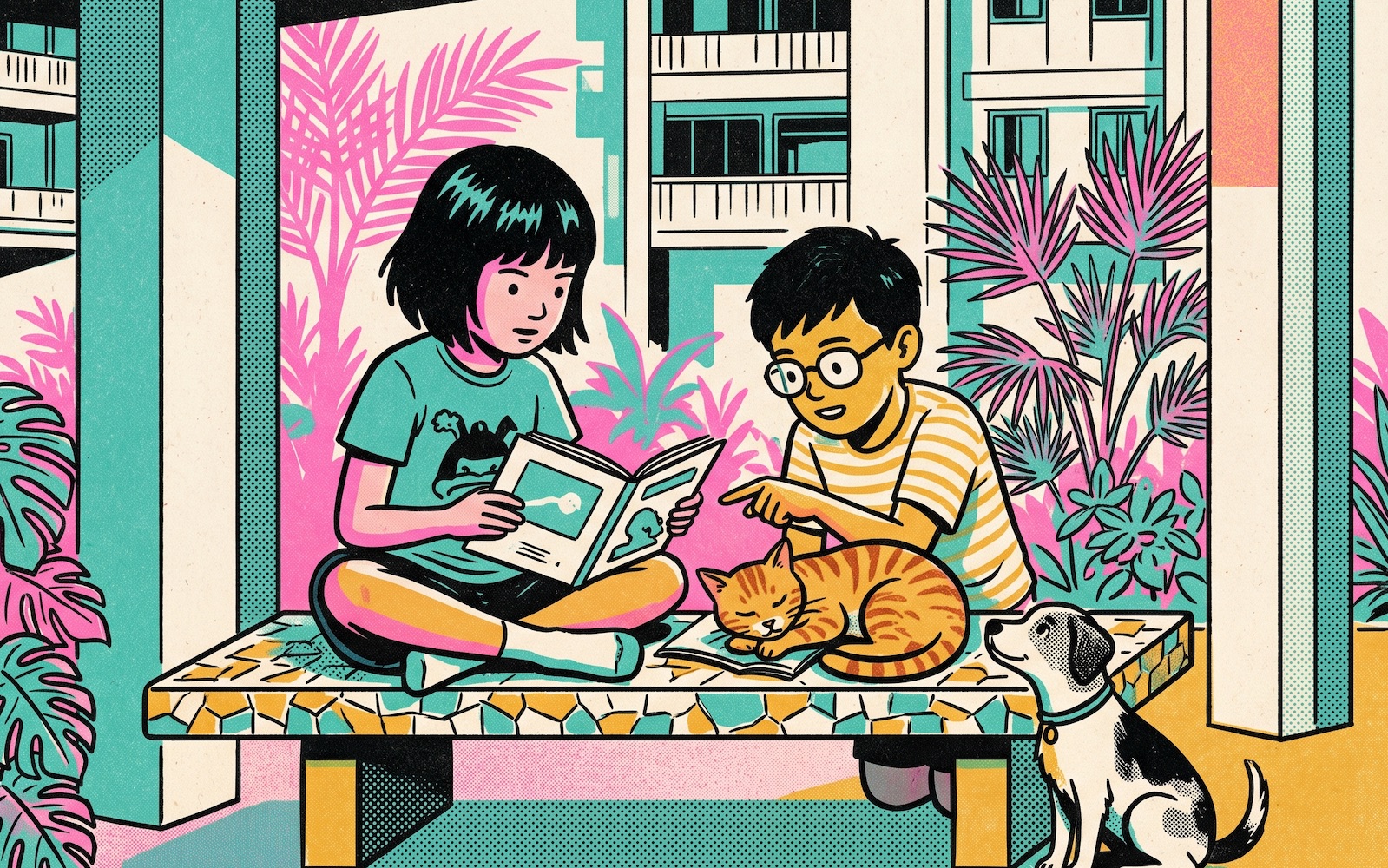
Being "animal-smart" is a vital safety skill. From the "Ask First" rule to gentle handling, here are 20 ways to teach your child respect and safety around pets.
Singapore is home to many beloved pets, from dogs at our local park connectors to cats in our HDB corridors. Teaching children how to interact safely and respectfully with animals is a vital life skill. These rules ensure that every encounter is a positive one, protecting both your child and the animal while fostering a lifelong sense of empathy and compassion.
Pet Etiquette: The Top 5 Core Anchor Rules
Safety starts with respect. These five "anchors" are the foundation of animal interaction, ensuring your child never startles or accidentally provokes a pet they meet in public.
#1: The "Ask First" Law 🙋♂
Never touch a pet without asking the owner for permission first. Even if a dog looks friendly, they may be shy, in training, or a working service animal.
#2: Let Them Come to You 🐾
After the owner says yes, hold out your hand in a loose fist for the pet to sniff. Let the animal decide if they want to be touched; never force an interaction.
#3: Gentle Hands Only 🤲
Stroking should be slow and in the direction of the fur. Strictly no pulling of tails, ears, or fur, and no "patting" with a heavy hand.
#4: Respect the Meal & Nap 🥩
Never approach an animal that is eating, chewing a toy, or sleeping. Animals can be protective or startled when their basic needs are being met.
#5: Sanitise After Play 🧼
Always wash or sanitise your hands immediately after touching any animal, even your own pets, to prevent the spread of germs.
Approaching New Friends
How a child approaches a pet sets the tone for the entire interaction. These rules focus on body language and noise levels to keep the animal calm.
#6: Use a Quiet Voice 🤫
Animals have sensitive ears. Avoid high-pitched squealing or shouting when meeting a pet, as this can make them nervous or over-excited.
#7: No Running Towards Animals 🏃♂
Running can trigger a pet's "chase" instinct or scare them. Always walk slowly and calmly when approaching any animal.
#8: Stay in the "Safe Zone" 📏
Don't corner an animal. Always ensure the pet has an "exit path" so they don't feel trapped during the interaction.
#9: Mind the Personal Space 🫧
Avoid putting your face directly into a pet's face. This is seen as a threat in animal language. Stick to stroking their back or chest.
Recognising Animal Language
Pets "talk" with their bodies. Teaching children to recognise these signs is the best way to prevent accidental bites or scratches.
#10: The "Stiff Body" Warning 🐕🦺
If a pet goes very still, stiffens their body, or tucks their tail between their legs, they are saying "I'm uncomfortable." Stop touching them immediately.
#11: Watch the Ears 👂
Ears pinned back flat against the head are a sign of fear or anger. Give the animal plenty of space if you see this.
#12: Avoid "Whale Eyes" 👁
If you can see the whites of a dog's eyes (looking like a crescent moon), they are stressed. Back away slowly and calmly.
#13: No Teasing 🚫
Never pretend to throw a ball or offer food and pull it away. Teasing causes frustration and can lead to unpredictable behaviour.
Physical Conduct & Safety
Interacting with pets requires self-control. These rules help children manage their own physical movements to keep the encounter safe.
#14: Stroke the Chest or Back 🐕
Most dogs prefer being stroked on the chest or side rather than the top of the head. It is less intimidating for them.
#15: No Hugging Strangers' Pets 🤗
While we hug family, most pets find hugging restrictive and scary. Keep interactions limited to gentle strokes only.
#16: Standing Still Like a Tree 🌳
If an off-leash dog runs towards you, don't run. Stand still, keep your hands by your sides, and look at your feet until the owner arrives.
#17: Be Mindful of Small Pets 🐹
Small animals like hamsters or rabbits are very fragile. They should only be handled while sitting on the floor to prevent accidental drops.
Social Awareness
Final reminders for being a "gracious animal-lover." These rules focus on the interaction between the child, the owner, and the community.
#18: Respect the "Yellow Ribbon" 🎀
If you see a dog with a yellow ribbon on their leash, it means they need space. Do not approach them at all.
#19: No Feeding Without Permission 🦴
Never give a pet a treat without asking the owner. Many pets have allergies or strict diets that we must respect.
#20: Thank the Owner ❤
After a nice interaction, always thank the owner for letting you meet their pet. It builds a friendly community for everyone.
Master Every Situation
Setting boundaries doesn't stop here. From hawker centres to screen time, explore our full collection of situational rules designed for Singaporean families.
See All Family Rules & Routines