
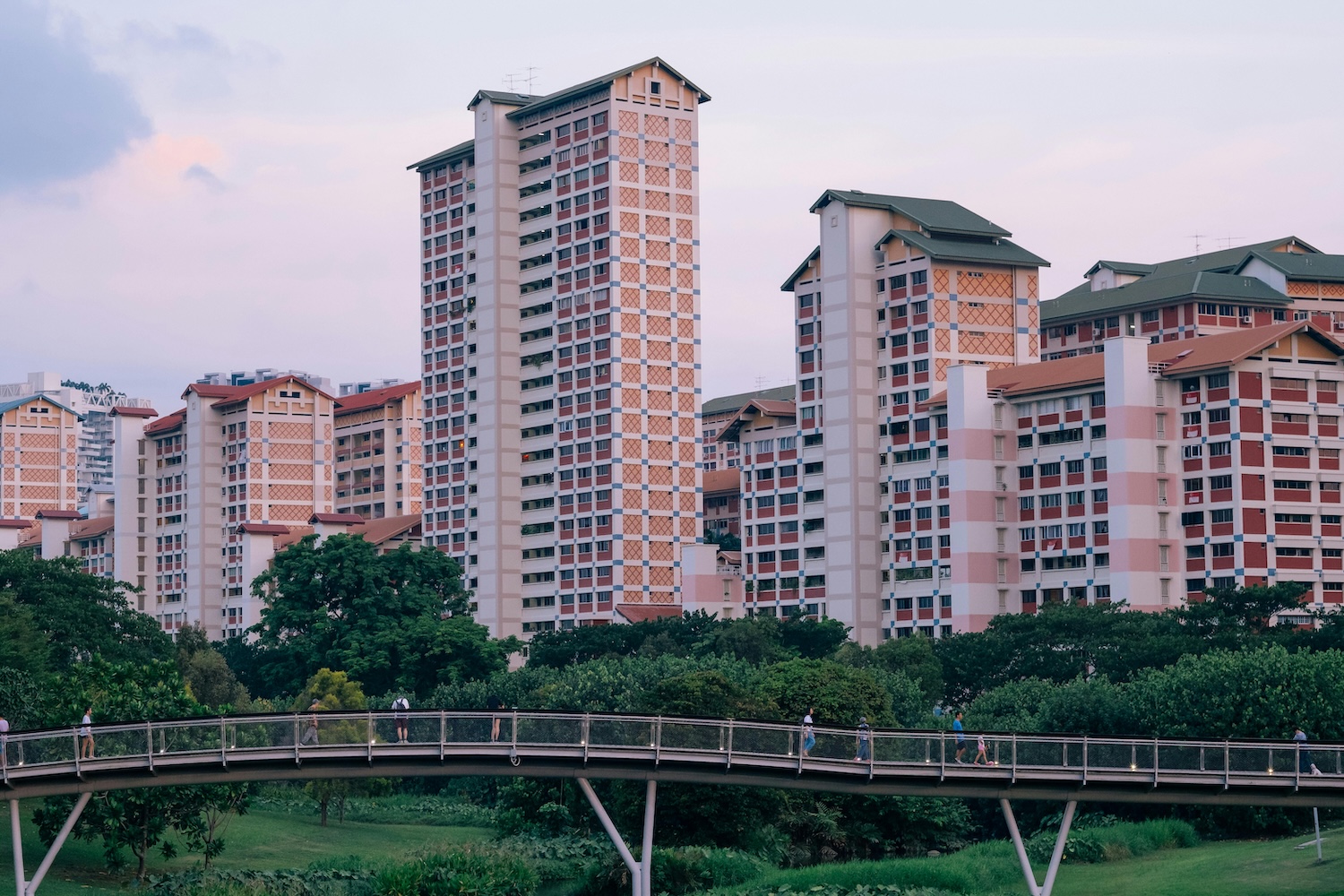
I totally understand that "heavy" feeling in the chest when you look at your outstanding loan balance. In Singapore, our home is usually our biggest asset, but it's also our biggest liability. The pressure to clear the debt quickly often clashes with the need to build a retirement fund that actually beats inflation. The main perspective we need to adopt is Arbitrage and Liquidity. It's not just about paying the bank; it's about understanding if your money works harder in your CPF account, your bank account, or your house equity. We need to stop seeing our home as just a shelter and start seeing it as a strategic financial component.
Quick Wins: Immediate Shifts for Your Mortgage
Optimising your mortgage doesn't require a finance degree. Small, tactical adjustments to how you handle your CPF Ordinary Account (OA) and monthly repayments can save you thousands in interest charges starting today. Here are the low-hanging fruits for every Singaporean homeowner.
1. Retain the $20,000 OA buffer
Don't wipe out your CPF OA entirely for your home purchase or repayment. Retaining up to $20,000 allows you to continue earning the extra 1% interest on the first $60,000 of your combined balances, and acts as a 6-month mortgage safety net if your income is disrupted.
2. Check your Home Protection Scheme (HPS)
Log in to the CPF portal and ensure your HPS is active. This is a mortgage-reducing insurance that protects your family from losing the home if something happens to you. If you have private mortgage insurance that is cheaper, you can apply to be exempted from HPS to save on premiums.
3. Review HDB vs Bank loan rates
If you are on an HDB loan, and bank rates are significantly lower, it might be time to refinance. Conversely, if you're on a bank loan and the "lock-in" period is over, check the current "SORA" rates. A 0.5% difference on a $500,000 loan is $2,500 saved annually.
4. Switch to partial cash payments
If you have a cash surplus, consider paying a portion of your monthly mortgage in cash instead of fully using CPF. This allows your OA to stay in your account and earn a "risk-free" 2.5% interest, which compounds significantly over 20 years.
5. Automate your CPF repayment notification
Set an alert for your CPF contribution and deduction. Many parents don't realise when their OA balance falls below the monthly instalment due to a change in job or contribution rates, leading to unnecessary late payment penalties or interest spikes.

The Long Game: Strategic Asset Optimisation
Long-term housing finance is about balancing debt reduction with wealth accumulation. By looking 10 to 20 years ahead, you can ensure you don't end up "asset rich, cash poor" in your silver years. These strategies focus on the compounding power of CPF and strategic refinancing.
1. Execute a Voluntary Housing Refund
When you eventually sell your house, you must "refund" the CPF used plus accrued interest. By making voluntary cash refunds now, you stop the "accrued interest" clock. This means more cash in your pocket when you eventually downsize or sell in the future.
2. Invest the OA surplus (CPFIS)
If you have more than $20,000 in your OA and your mortgage is stable, consider investing the surplus in low-cost, diversified funds through the CPF Investment Scheme. If you can consistently beat 2.5%, you are essentially using "cheap" debt to build a larger retirement nest egg.
3. The "SA Shielding" mindset
Be aware that the CPF Board takes from your OA first when you turn 55 to form your Retirement Account. By managing your mortgage carefully and keeping your OA healthy, you ensure a higher monthly payout from CPF LIFE, providing a permanent safety net for your old age.
4. Tactical Refinancing Cycles
Don't just "set and forget" your bank loan. Set a calendar reminder every 2 to 3 years to scout for the best refinancing or repricing deals. Treating your mortgage like a competitive contract—rather than a lifetime commitment—keeps the banks on their toes and your interest low.
5. Rightsizing as a Retirement Tool
Plan your "exit strategy" early. Will you stay in this 5-room flat forever, or downsize to a 3-room when the kids move out? Rightsizing can unlock hundreds of thousands in cash and Silver Housing Bonuses, which can be the ultimate boost to your family's financial freedom.
The "Ignore" List: Negligible Habits to Stop
-
Over-renovating for "Resale Value"Don't spend $100k on fancy built-in carpentry thinking it increases resale value. Most buyers will tear it down. Renovate for your own comfort, but treat it as an expense, not an investment that will pay for itself.
-
Fear of "Leverage"In a low-interest environment, rushing to clear a 2.6% loan while ignoring a 4-5% investment opportunity is a net loss. Don't be so afraid of debt that you miss out on wealth-building elsewhere.
-
Daily checking of SORA ratesUnless you are in a refinancing window, daily fluctuations in interest rates are just noise. Obsessing over it causes unnecessary stress without providing any actionable benefit until your lock-in period ends.
-
Switching to Bank Loans too earlyAn HDB loan is more flexible (no early repayment penalties). If you plan to clear your loan in short bursts or expect a windfall, the "rigid" structure of a bank loan might actually cost you more in fees.
-
Paying in Cash when emergency funds are lowNever use your last $10,000 in cash to pay down your mortgage just to save on CPF interest. If you lose your job, you can't "withdraw" that money from your house walls. Cash liquidity is more important than interest arbitrage.
A Reality Check
Your home is where your children grow up, but it shouldn't be the place where your retirement dreams go to die. Being financially savvy means knowing when to be aggressive with repayments and when to let your CPF compound. A house is a home, but a paid-off house is a legacy. Balance your spreadsheets with your lifestyle, and remember: the best mortgage strategy is the one that lets you sleep soundly at night in the very house you're paying for.
The Savvy Parent's Mortgage & CPF Checklist
-
1. CPF OA Balance verifiedLog in to the CPF website to check your current OA balance and ensure the $20k buffer is intact.
-
2. Accrued Interest checkedUse the "Property" section in CPF to see how much accrued interest you'll owe if you sell today.
-
3. Loan Type and Interest Rate confirmedNote down if you're on HDB or Bank (SORA-based) and when your lock-in period expires.
-
4. Home Protection Scheme (HPS) status reviewedConfirm you are covered and that your premiums are up to date via the CPF portal.
-
5. Voluntary Housing Refund math doneCalculate if you have spare cash to make a small refund to stop the compounding accrued interest.
-
6. Cash-to-CPF ratio for monthly payment setDecide if you can pay 20% or 50% of your monthly instalment in cash to preserve OA interest.
-
7. Refinancing comparison performedCompare your current bank rate against the newest packages offered by DBS, UOB, or OCBC.
-
8. CPF Investment Scheme (CPFIS) eligibility checkedSee if your OA balance (above $20k) is eligible for investment into diversified, low-cost funds.
-
9. Fire Insurance and Home Content Insurance verifiedEnsure your basic HDB fire insurance is active and consider adding "Home Content" coverage for your renovation and furniture.
-
10. Long-term "Right-sizing" discussion heldHave an honest chat with your spouse about your 20-year plan for the property to align on financial goals.