My son, a secondary schooler, walked past with a brand-new bubble tea, the condensation dripping onto the floor tiles I had just mopped. I looked at the drink—nearly seven dollars—and then at my father, who was meticulously folding a ten-dollar note into his wallet as if it still held the same weight it did in the nineties. The gap between their worlds is where I live. The heat. The bills. The quiet persistence.
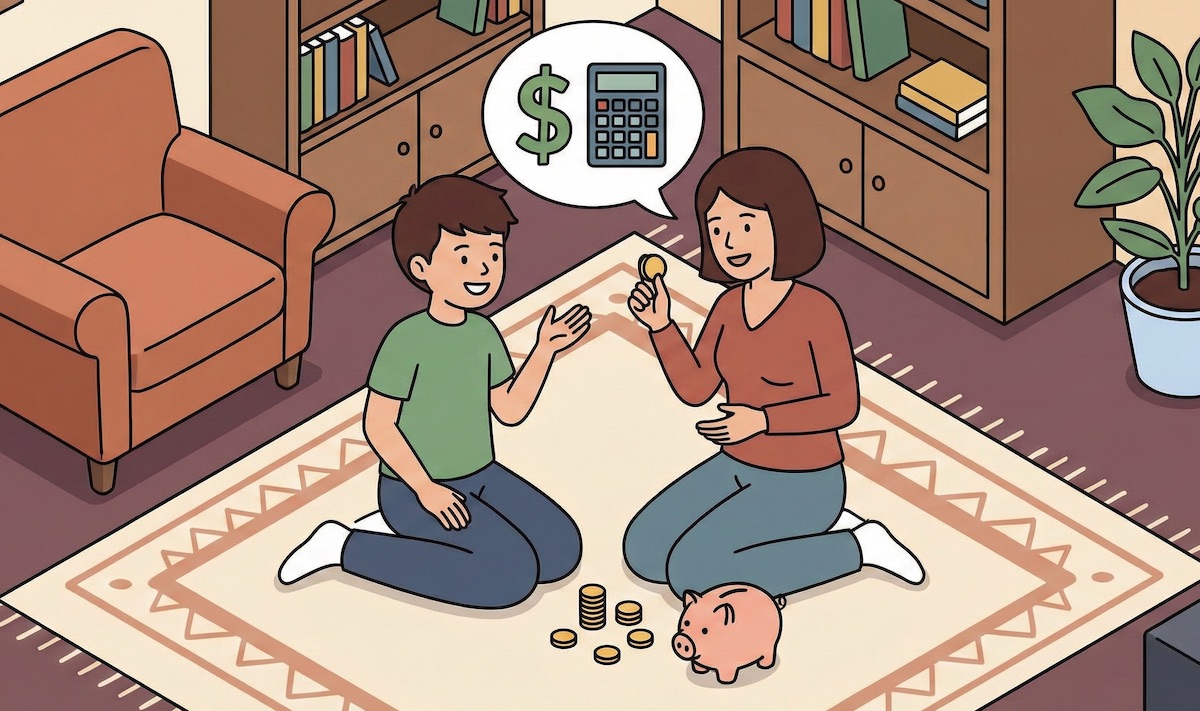
Teaching a secondary schooler the value of a depreciating currency means moving from simple allowances to asset management. By explaining inflation, parents help teens see cash as a tool that loses power, encouraging them to prioritise growth over consumption.
To move to asset management mindset, we must move from "how much can I spend?" to "how much value can I preserve?". In a multi-generational Singaporean household, this isn't just a financial lesson; it is a survival skill. I see my teenagers looking at the world with a mix of desire and confusion. They need a grounded way to handle the mess.
"It is just five dollars," my son said when I questioned the extra delivery fee on his lunch. I looked at him and replied, "That five dollars buys one less bowl of noodles than it did when you were in Primary 1. It is not just five dollars; it is your time leaking away."
Lump Sum Allowance - No Bailouts
We often tell our children to save, but we rarely explain why saving cash in a drawer is a losing game. In Singapore, MAS Core Inflation data shows how purchasing power erodes. If I give my daughter fifty dollars today, and she keeps it until she finishes secondary school, that fifty dollars will buy fewer goods than it does now. It is a hard truth to swallow. The bucket has a hole. The rice is falling out.
I've seen this play out at the coffee shop near our block. The prices go up, the portions get smaller, but the numbers on the notes stay the same. My teens need to understand that cash is only a placeholder for value. I've started showing them the household accounts. Not to guilt them, but to ground them. When they see the electricity bill jump, the abstract concept of inflation becomes a physical reality that affects their weekend outings. Kids my time grew up with the adage "save for a rainy day," but in reality, the rain is already here and it is acidic.
At home, we've stopped the weekly top-up whenever they run out of money. Instead, they get a lump sum at the start of the month. If it's gone by week three because of expensive cafe visits, they eat home-cooked food or plain bread for school. No bailouts. It is the only way they feel the friction of a depreciating dollar. I want them to see that every cent spent on a "want" is a cent that won't be there when the "needs" get more expensive next year. And honestly? It works.
Cash-first System for Personal Hobbies
The screen is a liar. When my daughter taps her phone to pay for a game skin, she doesn't feel the weight of the money leaving her hand. Research on the ST School Pocket Money Fund shows that even for those with very little, the desire to save is high, yet the pressure to spend is constant. Digital payments strip away the sensory warning of a thinning wallet. It makes spending invisible and instantaneous.
When the money seems invisible, the consequence is delayed. I see them scrolling through apps, and to them, the balance is just a number that a bank or a parent will eventually refresh. They lack the "pinch" of physical cash. Last month, I saw my son spend thirty dollars on digital credits in a single afternoon. He didn't even look up from his screen. I felt a surge of weariness. How do I teach value in a world of pixels?

We've moved back to a cash-first system for their personal hobbies. If they want that game skin, they must physically take the cash to a top-up kiosk. The walk to the mall, the act of inserting the notes, and the sight of the empty wallet afterwards creates a necessary friction. It forces them to stop and think. Is this digital asset worth the physical loss? Usually, the answer is no.
From Consumers to Stewards
The MOE Character and Citizenship Education syllabus focuses on responsible credit use and needs versus wants. This is the foundation of stewardship. I want my children to stop thinking like consumers who just "eat" money and start thinking like stewards who "manage" it. They need to understand that money is a seed. You can eat the seed now, or you can plant it to feed the family later.
I saw this logic take hold when my daughter wanted to buy a high-end drawing tablet. Instead of just buying it, we discussed how she could use it to earn back the "cost of depreciation." She started doing small commissions for her classmates' birthday cards. Suddenly, the tablet wasn't just a toy; it was an asset. It sounds simple, but the shift in her eyes—from wanting to owning—was profound. She became careful with it. She cleaned the screen every night. She treated it like a tool of her trade.
What I did was to offer a "matching fund." If they save fifty dollars towards an asset that grows their skills, I add fifty more. But if it is for a depreciating consumer good, they pay one hundred percent. This creates a natural incentive to look for things that appreciate. They are learning to bet on themselves rather than on a brand. It is about the long game.
Asset Management as Filial Piety
In our home, we talk about the "Three Generations" pot. My children see me managing the medical bills of their grandparents while trying to secure their own university fees. According to SingaporeMotherhood, practical education should shift to tangible budgeting as children grow. For us, budgeting includes the family nucleus. They see that if I spend recklessly on a new car, their grandfather might not get the best physiotherapy. The stakes are real.
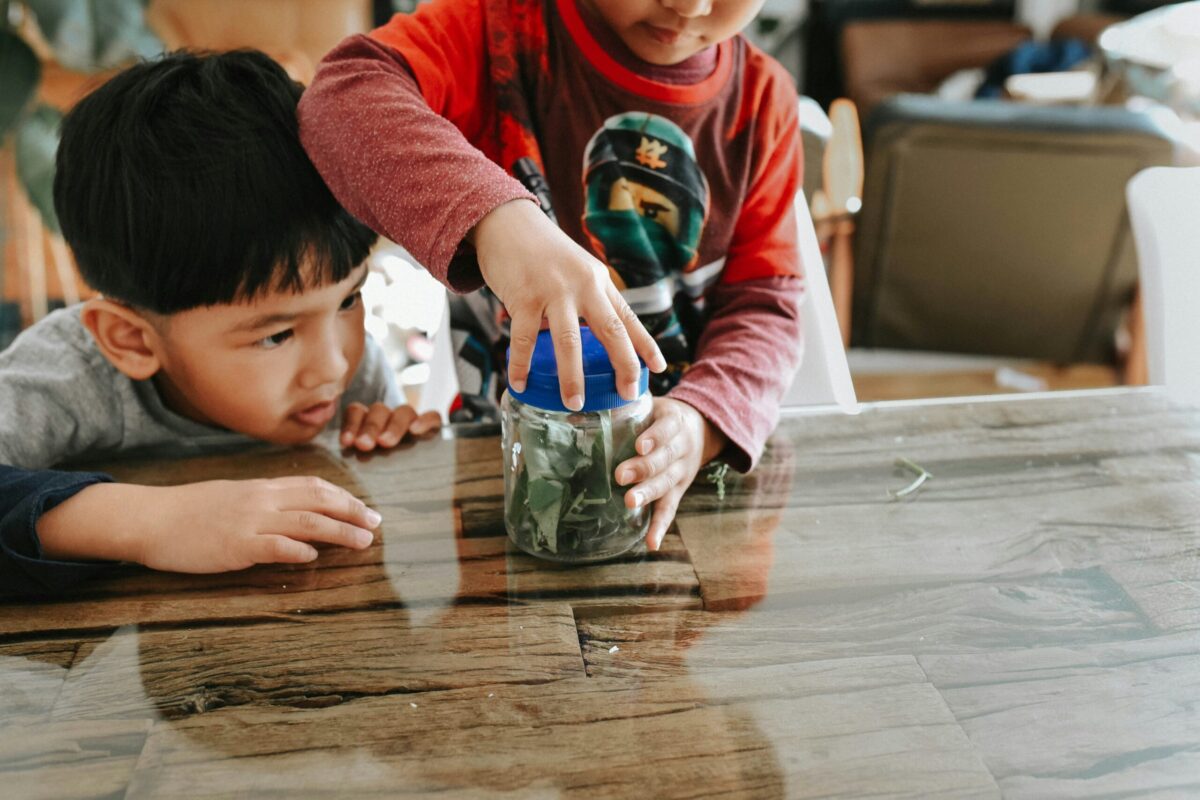
This is where the Chinese value of xiao (filial piety) meets asset management. Many of my fellow dads have shared that their kids sometimes feel entitled to a certain lifestyle. I tell my children that wealth is a loan from the past to the future. We are just the managers in the middle. If they manage their allowance well, they are not just "saving money," they are protecting our family's collective strength. They are ensuring that the rice bucket stays full for everyone.
At home, we have a "Family Emergency" lesson once a month. I present a hypothetical problem—the fridge breaks, or Grandma needs a new wheelchair. We look at our "Growing" jar and decide where the money comes from. It teaches them that their "asset management" has a direct impact on the people they love. They aren't just managing numbers; they are managing the safety of their home. It is heavy, but it is honest.
If Fail to Manage It, You Lose It
Boldness requires a floor. The Straits Times reports that SG youth are pragmatic, and that pragmatism is born from consequence. Last Tuesday, my son spent his entire week's transport budget on a fancy lunch at a mall in Serangoon. I didn't give him more money for the bus. He had to walk home. Three kilometres in the afternoon humidity. The sweat. The heavy school bag. The long pavement.
"Why does the ice cream cost more now?" my daughter asked as we walked past a convenience store. I told her to look at the petrol station prices across the street and the delivery trucks. "Everything is linked," I said. "When one thing goes up, your money buys less of everything else." She was quiet for a long time. She was thinking about her own savings. Good.
The adjustment here is allowing for failure while the stakes are low. If they fail to manage their "assets" now, they only lose a bus ride or a snack. If they fail when they are thirty, they might lose a home. I would rather they walk home in the sun today so they can drive their own future tomorrow. We don't sugarcoat the economy; we deal with it as it is. Blunt and unmoving.
We are stewards of what we have, not just owners; our task is to make sure the bucket stays full even as the world tries to drain it.
If your child treats their allowance like a gift rather than a responsibility, they are unprepared for a world where currency is constantly losing its grip. Are you raising someone who consumes value, or someone who knows how to preserve it?
Start by showing them one real bill this month. Just one. Let them see the cost of the air they breathe in the living room.
References