
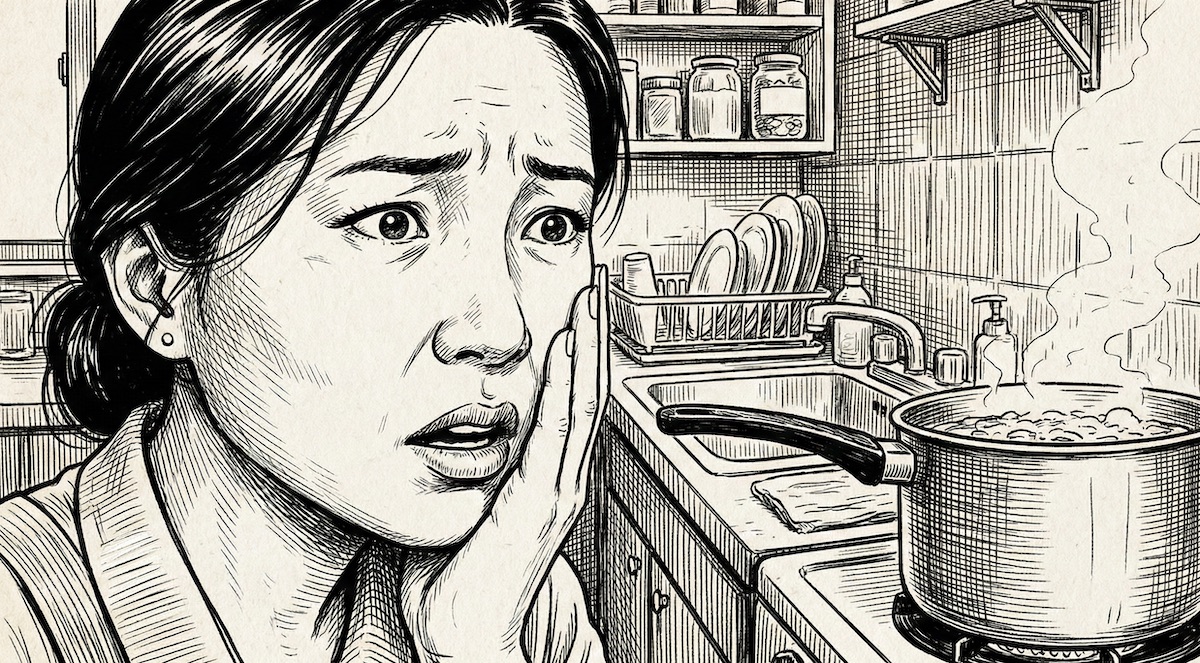
I was at the wet market near this morning, looking for the freshest threadfish for the grandkids' soup. The uncle there knows me—he knows I only want the middle cut. My helper, was right beside me, holding the basket and reminding me we still have ginger at home. I see so many young mummies at the market or the mall near Orchard Road, looking so stressed, shouting at their helpers because the pram is folded wrongly. Why like that? You want her to take care of your most precious children, but you treat her like a broken machine. Calm down. If you want a house that runs well, you need to learn that a helper is a person with a heart, not just a pair of hands for hire.

To build a great relationship with your domestic worker, treat her as a respected partner by setting clear boundaries, allowing mandatory rest days for mental health, and providing a private space to recharge, ensuring she feels like a valued household member.
"Did you check if the helper ate her lunch? Don't just ask her to do this do that all day," I told my daughter-in-law last Sunday. She just sighed, but I know I'm right. You cannot expect someone to give 100 per cent when their own stomach is empty or their mind is heavy with worry about home.
A happy helper is the secret ingredient to a peaceful home, but you cannot cook heart into a person using only a contract.
Give her time to find her footing
These young girls come from places very different from our bright lights and fast lifts. You cannot expect them to know how to use the Dyson vacuum or steam a fish perfectly on day one. Logic tells us that any new job has a learning curve. If you rush the training, you just get mistakes and a lot of "head slap" moments later on. It is about patience, not just a checklist.
I saw on a MOM publication that it actually takes about one to two years for a migrant domestic worker to fully adjust to a new household. Most people think six months is enough, but that is just the surface. Yet we expect them to be mind-readers before they even know where we keep the extra toilet paper. I remember when the helper first started; she was so quiet I thought she was unhappy, but she was just overwhelmed by my four grandkids running around like wild monkeys.
So, I spent the first month cooking beside her. I didn't just give orders. I showed her how I like the ginger sliced thin. We sat down and had tea while the baby was napping. By doing the work together, she saw what I value, and I saw where she struggled. Now, she knows my kitchen better than I do.

Protect her rest like it is your own
A tired person is a dangerous person, especially around toddlers and boiling soup. The logic is simple: if she doesn't sleep, her brain slows down. You wouldn't go to work after three hours of sleep and expect to do a good job, right? So why do we expect these girls to wake up for the baby at 3 AM and then have breakfast ready at 6 AM? It is not sustainable.
The Ministry of Manpower updated the rules so that helpers must have one rest day a month that cannot be compensated away. This is the bare minimum for their mental well-being. I've heard stories from my daughter-in-law about her friends that they worry what the helper does outside. Aiyo, she is a grown woman! Let her go to Lucky Plaza or Paya Lebar to see her friends. She needs that "off" switch to stay sane.
In our house, Sunday is "Auntie's Day." No one asks her for a glass of water. I tell the grandkids she is "closed" for business. If realised that I left the laundry in the machine, whatever, I can hang it myself. We make sure she has her own space to call home, even if it is just a small room. A CNA report mentioned how even sharing rooms with babies can lead to anxiety. We give her that privacy so she can video call her own children in peace. It makes a world of difference.
The "REST" method is not just for show
Everything in life needs a system. You cannot just wing it when you have a stranger living in your house. If you don't set the "ground rules" early, you will end up resentful because she did something "wrong" that you never actually explained. Clarity is kindness. Auntie pro-tip — a whiteboard in the kitchen is your best friend.

I read an MOM EDM that suggested the "REST" practice: Reach out, Encourage, Schedule, and Take care. It sounds a bit like those corporate programmes, but the logic holds up. When you schedule chores realistically, she isn't rushing and breaking your Corelle plates. I've seen this play out when my neighbour's helper quit because she was expected to wash the car, cook three meals, and send the kids for tuition all in one morning. Impossible!
We sit down every Monday morning for five minutes. We look at the week ahead. "Thursday the kids have swimming, so we eat dinner later." Simple. No drama. By involving her in the plan, she feels like a partner. SingaporeMotherhood suggests this kind of alignment to avoid conflict, and it works. When the grandkids are screaming, the floor is sticky with spilled juice, the laundry is piling up like a mountain, and the dog is barking outside, your helper is the only one keeping the peace. She is gold.
Build a bond that goes beyond the mop
The smell of sesame oil and fried garlic. The sound of the kids laughing in the bath. These are the things that make a home. If your helper feels like she is part of that warmth, she will stay. People don't leave places where they feel loved and respected. It is about building a legacy of kindness for your grandchildren to see. They are watching how you treat her.

There is a CNA Lifestyle piece about how these relationships can last for decades. Some helpers even stay to see the kids they carried as babies get married. That doesn't happen by accident. It happens because the employers chose to see the human being behind the work permit. How do you respond when mistakes are made? Do you scream, or do you teach? I choose to teach.
"Auntie, the threadfish today is $28 per kilo!" she told me. "Never mind, just buy for the kids," I replied. She knows exactly why I'm buying it. She knows the kids need the nutrients. That shared understanding is what you are aiming for. When you reach the point where she cares about your family's health as much as you do, you've won.
Manage the boundaries with grace
Being the "matriarch" is hard because I have to manage the helper AND my own children's expectations. Sometimes my daughter is too strict, and I have to step in. Other times, the helper is too soft with the grandkids and lets them eat too many sweets. You have to be the bridge. It is about constant, quiet communication, not big explosive meetings.
If you treat her like a servant, she will work like one; if you treat her like a human, she will protect your home like it is her own.
A recent MOM guide emphasises that a harmonious relationship gives the employer peace of mind. This is so true. When I am at the park, I don't have to worry if the kids are being fed properly because I trust my helper. That trust was earned through hundreds of small conversations over tea. It is about the daily effort to be a decent person.
My fix for the "Grandparent-Helper" mess? We have a rule: in front of the kids, the my (or the parents') word is law. But behind the scenes, the helper and I talk. I tell her how we used to do things in the old days, and she shares how they do it in her village. We learn from each other. It makes the house feel full, not crowded. Just remember: you are the boss, but you are also the host. Act like one.
Are you treating your helper like a line item in your monthly budget, or like the woman who holds your family's daily life together?