
As parents in Singapore, we are often caught in a whirlwind of weekend activities, usually ending up at a cafe or a family restaurant for a well-deserved meal. While we are meticulous about choosing the right main course for our little ones—opting for more greens or less salt—the choice of beverage often escapes our scrutiny. It is easy to view a drink as a "liquid treat" that does not count towards a daily intake, but the reality is quite different in our local dining scene.
Knowing what goes into these beverages is essential for our children's long-term health. Many of the most popular options are packed with hidden sugars, artificial colourings, and saturated fats that can lead to energy crashes and affect dental health. By becoming knowledgeable, we are not just being "strict"; we are empowering our children to appreciate the natural flavours of whole foods and making sure those special outings do not inadvertently compromise their nutrition.
The 10 Sugary Culprits: What's Really in Their Cups?
1. Brown Sugar Pearl Milk

This drink has become a staple treat in Singapore, but it is essentially a dessert in liquid form. The "tiger stripes" of brown sugar syrup are highly concentrated, and for a child, a single serving can easily exceed the daily recommended sugar intake set by the Health Promotion Board.
We recommend consuming this much less frequently because the tapioca pearls are pure starch and offer zero nutritional value. While the milk base provides some calcium, the sheer volume of added syrup creates a massive insulin spike that can leave your child feeling irritable and tired once the sugar high wears off.
2. Over-The-Top "Freakshakes"

These Instagram-worthy shakes are often topped with brownies, biscuits, and heaps of whipped cream. While they look like a childhood dream, they are a caloric nightmare, often containing over 1,000 calories—which is more than half of a child's daily requirement.
The combination of high-fat ice cream and synthetic chocolate syrups is overwhelming for a developing digestive system. We recommend avoiding these as a beverage; if you must, treat it as a shared dessert for the whole family rather than a drink for one child.
3. Free-Refill Sodas

The "free-flow" concept at many family restaurants is a major trap. When refills are free, children (and adults) tend to drink far more than a standard serving, leading to an astronomical intake of phosphoric acid and sugar.
Phosphoric acid can interfere with calcium absorption, which is vital for growing bones. Regular consumption of these fizzy drinks is strongly linked to childhood obesity and early-onset metabolic issues in the Singaporean context.
4. Pre-Mixed Iced Chocolate

While chocolate itself has antioxidants, the "Iced Chocolate" found on many kids' menus is made from a pre-mixed powder where the first ingredient is sugar. This is often further sweetened with chocolate syrup around the glass.
These mixes often contain hydrogenated oils to improve texture and shelf-life. We recommend choosing a hot cocoa made with real cocoa powder and asking for "less sweet" to ensure your child is getting the benefits of the dairy without the chemical additives.
5. Bottled/Commercial Fruit Juice

Many parents order juice thinking it is the healthier alternative to soda. However, many "juice blends" in cafes are reconstituted from concentrate and lack the essential fibre found in whole fruits.
Without the fibre to slow down digestion, the natural fructose hits the bloodstream just as fast as refined sugar. This provides a quick energy burst followed by a crash, and provides far more sugar than a child would get from eating a single piece of fruit.
6. Caramel Frappuccinos (Non-Coffee)

Even if you ask for the caffeine-free version, these blended drinks are syrup-heavy. The base used to create the smooth, slushy texture is almost entirely corn syrup and emulsifiers.
We recommend avoiding these because they train a child's palate to only enjoy extremely high levels of sweetness. The whipped cream on top adds saturated fat that offers no nutritional benefit to a child's meal.
7. Thai Iced Milk Tea

A favourite in Singapore, this tea is notorious for its vibrant orange colour and sweetness. The base is black tea mixed with generous amounts of condensed milk and evaporated milk, followed by more sugar.
Beyond the sugar, the orange colour is usually from artificial food dyes like Yellow 6. These dyes have been scrutinised for their potential link to hyperactivity in sensitive children. It is a double-hit of sugar and caffeine that we recommend avoiding for younger kids.
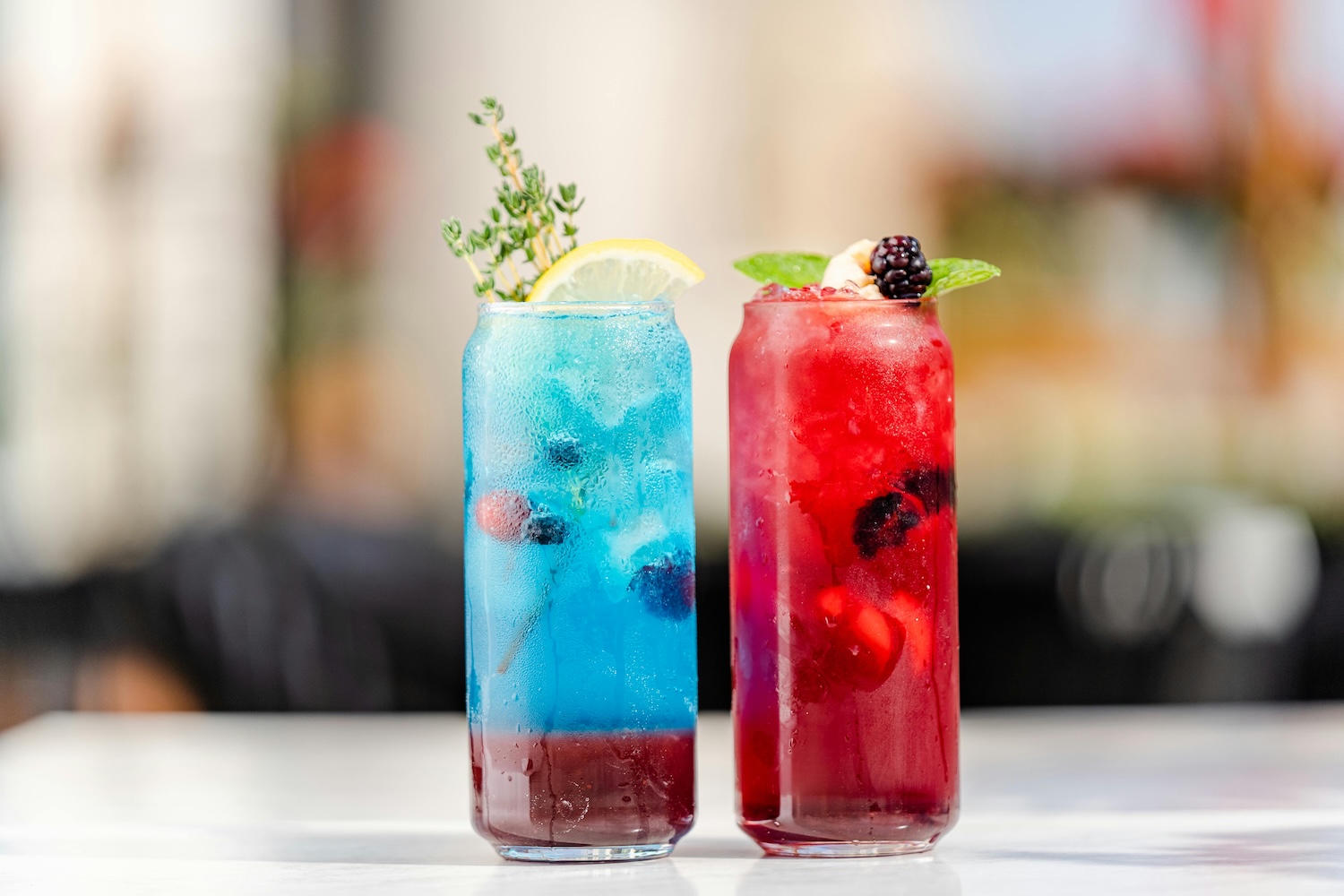
8. Italian Sodas / Mocktails

Commonly found on kids' menus as a "fancy" option, these are simply carbonated water mixed with heavy doses of flavoured sugar syrups (like strawberry, blue coral, or green apple).
These drinks are pure "liquid sugar." There is no protein or fibre to slow down the absorption, leading to an immediate insulin spike. They are also often filled with artificial flavours that do nothing for a child's developing palate.
9. Frozen Slushies

Popular in Singapore's humid weather, slushies are essentially frozen sugar water. The syrup used is highly concentrated so that it retains its flavour and colour even as the ice melts. A medium slushie can contain as much sugar as two cans of soda.
The temperature and high sugar content can cause stomach upset in some children. Additionally, the dyes used to give them their neon colours are often synthetic and serve no nutritional purpose.
10. Sweetened Bottled Iced Teas

Iced tea is often perceived as a "lighter" alternative to soda, but the commercial versions served in cafes are heavily sweetened to mask the bitterness of the tea. In many cases, the sugar content per 100ml is identical to that of a cola.
Furthermore, these teas are often caffeinated. While a small amount may seem harmless, children are much more sensitive to caffeine, which can lead to increased heart rate and significant disruption to their bedtime routines.
Smart Swaps: Navigating the Drink Menu at a Glance
While an occasional treat is part of a balanced childhood, making informed choices can prevent these high-sugar drinks from becoming a daily habit. Prioritising water, plain milk, or unsweetened infusions will keep your child hydrated and healthy without the sugar spikes.
| Drink Name | Main Nutritional Issue | Best Alternative |
|---|---|---|
| Brown Sugar Pearl Milk | Extreme Sugar & Choking Hazard | Plain Fresh Milk |
| Freakshakes | Massive Calories & Saturated Fat | Fruit Smoothie |
| Free-Refill Sodas | Acidity & Phosphoric Acid | Sparkling Water |
| Pre-Mixed Iced Chocolate | Trans Fats & Refined Sugar | Babyccino |
| Bottled Fruit Juice | No Fibre & High Fructose | Whole Fruit |
| Caramel Frappuccinos | Syrup Bases & Emulsifiers | Cold Milk |
| Thai Iced Milk Tea | Artificial Dyes & Caffeine | Iced Rooibos |
| Italian Sodas | Liquid Sugar & Synthetic Flavours | Berry Infused Water |
| Frozen Slushies | Neon Dyes & High GI | Fresh Juice Popsicle |
| Sweetened Iced Teas | Hidden Sugar & Caffeine | Unsweetened Herbal Tea |