Welcome to the Primary school years, where your child moves from the sheltered environment of preschool into the hustle and bustle of Lower Primary (ages 7–9 / P1–P3). While we often obsess over their academic progress during this phase, their physical development undergoes a significant test. They now have to navigate crowded canteens, carry heavier bags, and maintain focus while sitting at a desk for hours. At this stage, the physical focus is on Stamina, Postural Control, and Sensory Health.
In Singapore, the P1–P3 years are often when sedentary habits start to creep in due to increased homework and tuition. However, physical activity is actually the engine that powers a sharp mind. By ensuring our young individuals meet these physical milestones, we are building the "hardware" they need to handle the increasing rigours of the Singaporean education system without burning out or developing early health issues like myopia and poor posture.
Core Stability & Postural Strength
Sitting at a desk for long periods is physically demanding. Without a strong core, children begin to slouch, which leads to fatigue and poor concentration. These milestones focus on the strength needed for a productive classroom experience.
-
Functional Desk PostureMaintaining an upright sitting position for at least 30 minutes without needing to lean on the desk or slouch excessively.
-
Shoulder Stability for WritingPossessing enough upper-body strength to write legibly for longer periods without their hand or arm "tiring out" quickly.
-
Safe Heavy LiftingThe ability to lift and carry their school bag safely, using both straps, without straining their back or neck.
-
Bilateral IntegrationUsing both hands in sync for complex tasks, such as holding a ruler steady with one hand while drawing a straight line with the other.
-
Physical EnduranceParticipating in a full 30-to-60 minute PE lesson without needing frequent breaks, showing improved cardiovascular health.
Gross Motor Precision & Sports Skills
This is the "Golden Age" of motor learning. At 7 to 9 years old, children are optimising their coordination, making it the perfect time to solidify basic sports skills and water safety.
-
Water Safety & SwimmingProgressing through SwimSafer stages, showing the ability to tread water and perform basic strokes confidently.
-
Advanced Ball CoordinationBeing able to dribble a ball with their feet or bounce and catch a ball with one hand while moving.
-
Rhythmic MovementFollowing a sequence of movements or a dance routine in time with music, showing improved spatial organisation.
-
Balance & AgilityNavigating playground equipment or "obstacle courses" with speed and precision, recognising safe landing techniques.
-
Consistent Hand-Eye TimingSuccessfully hitting a stationary or slow-moving ball with a bat or racket (e.g., in modified T-ball or badminton).
Fine Motor Endurance & Practical Skills
Fine motor skills in Lower Primary shift from "accuracy" to "endurance." As the volume of schoolwork increases, the small muscles in their hands must be standardised for longer bursts of activity.
-
Legible Cursive or ScriptProducing consistent, legible handwriting at a speed that allows them to keep up with classroom dictation or notes.
-
Precise Tool UsageUsing school tools like protractors, compasses, and sharpeners without frustration or accidental damage.
-
Keyboarding BasicsDeveloping a basic "home row" familiarity on a computer keyboard for the increasing amount of digital learning programmes.
-
Self-Care IndependenceManaging all aspects of their uniform, including complex buttons, belt buckles, and tie-up school shoes.
-
Instrumental Finger ControlIf applicable, showing the dexterity to play a basic musical instrument (like a recorder or piano) with individual finger independence.
Lifestyle Health & Preventative Care
With more time spent on "near-work" (reading and writing), protecting their long-term health is vital. These habits are the best defence against the common physical "traps" of the Primary school years.
-
The 20-20-20 HabitAutomatically prioritising a 20-second break to look far away after 20 minutes of reading or screen use to prevent eye strain.
-
Daily Outdoor LightEnsuring at least 1–2 hours of outdoor time daily (even if it's just walking home or play at the void deck) to combat myopia.
-
Independent HydrationTaking full responsibility for drinking enough water throughout the school day without being reminded by a teacher or parent.
-
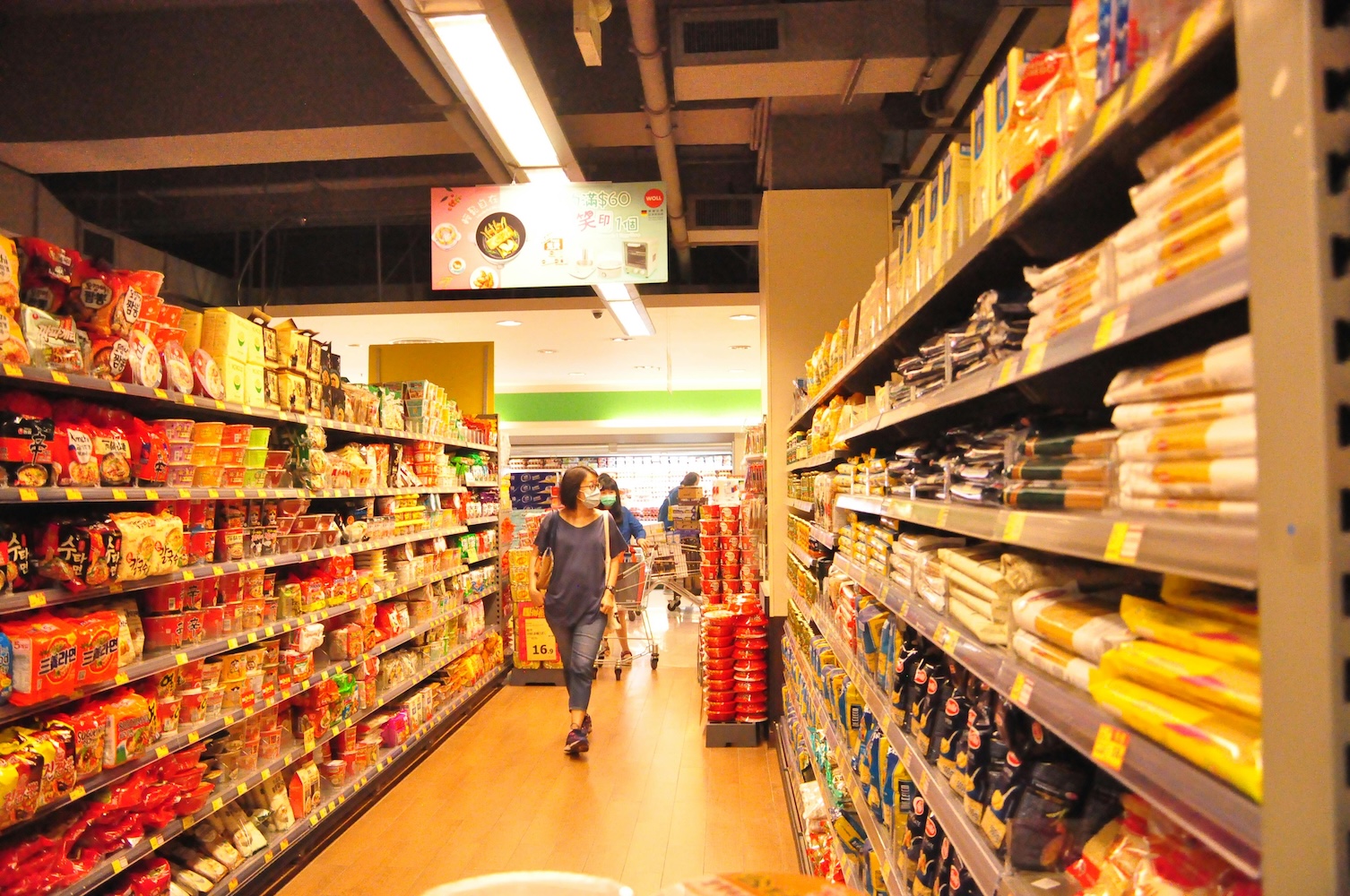
Canteen Meal BalanceConsistently choosing a meal with a colourful vegetable and protein source when buying food at the school canteen.
-
Optimised Sleep ScheduleMaintaining a strict 9-to-10 hour sleep routine to support the intense brain development and physical growth of this phase.
Common Challenges & How to Overcome Them
The P1–P3 years introduce new physical stressors that can impact their behaviour and learning. Being a "wise peer" means helping them navigate these hurdles with practical solutions.
-
The "Heavy Bag" Syndrome
Many Lower Primary children carry bags that are far too heavy for their spine, leading to chronic shoulder pain and "forward-head" posture.
Audit their bag weekly. Teach them to organise their lockers and only bring home the books needed for that day's homework. Ensure they use both shoulder straps at all times.
-
The "Tuition Slouch"
Between school and extra classes, children spend a staggering amount of time in a seated, hunched position, which can lead to early back issues.
Invest in an ergonomic chair or a footrest to ensure they can sit with "90-90-90" angles (ankles, knees, hips). Encourage "standing breaks" every 30 minutes.
-
Recess Nutrition Gaps
Left to their own devices, many P1–P3 students will choose fried snacks or sugary drinks every single day at the canteen.
Role-play canteen scenarios at home. Give them a "Canteen Challenge" to find the most colourful meal once a week, and talk about how "brain food" helps them play better.
The Growth Guide
From toddlerhood to young adulthood—get the holistic roadmap every Singaporean parent needs.