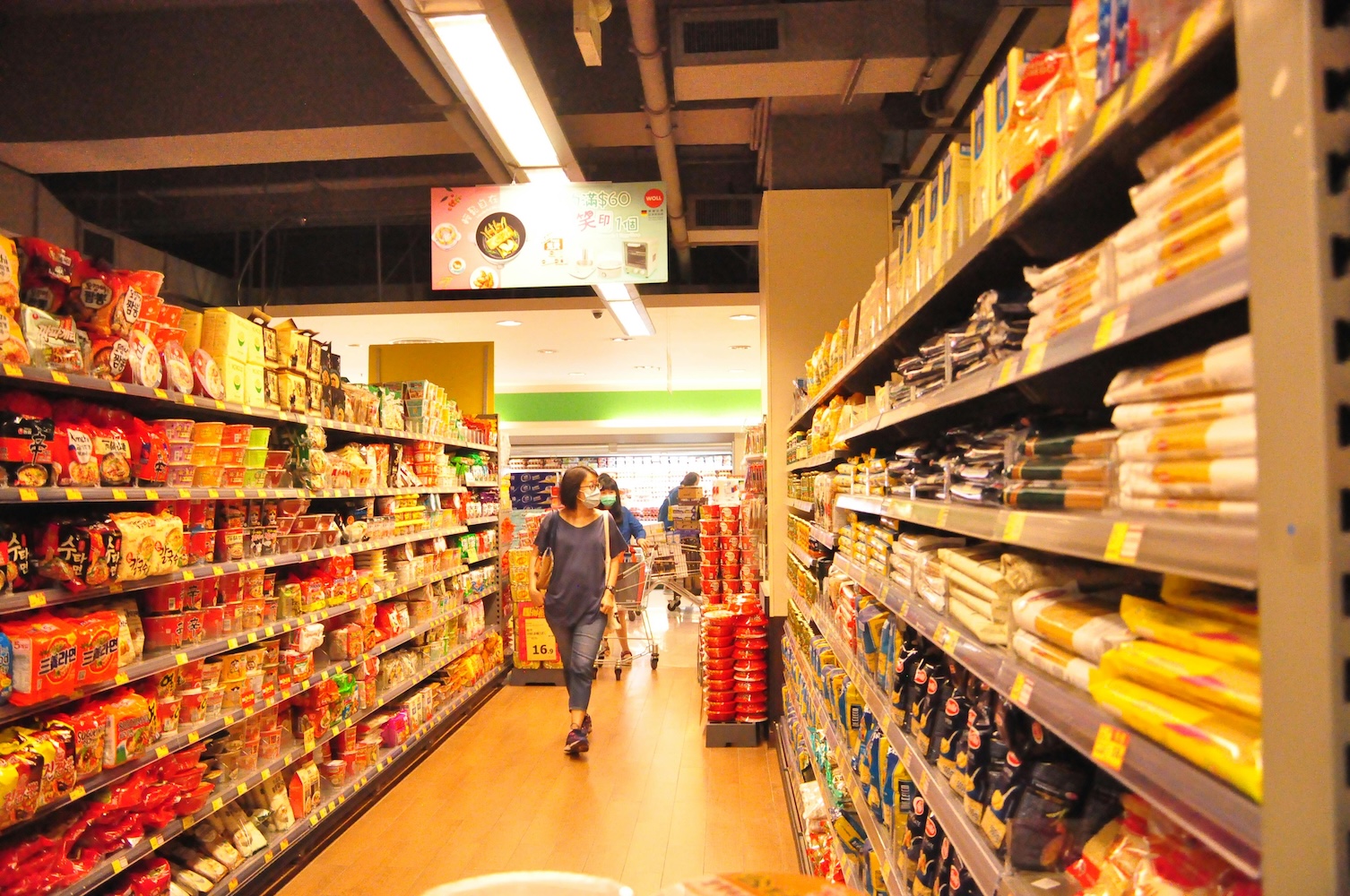
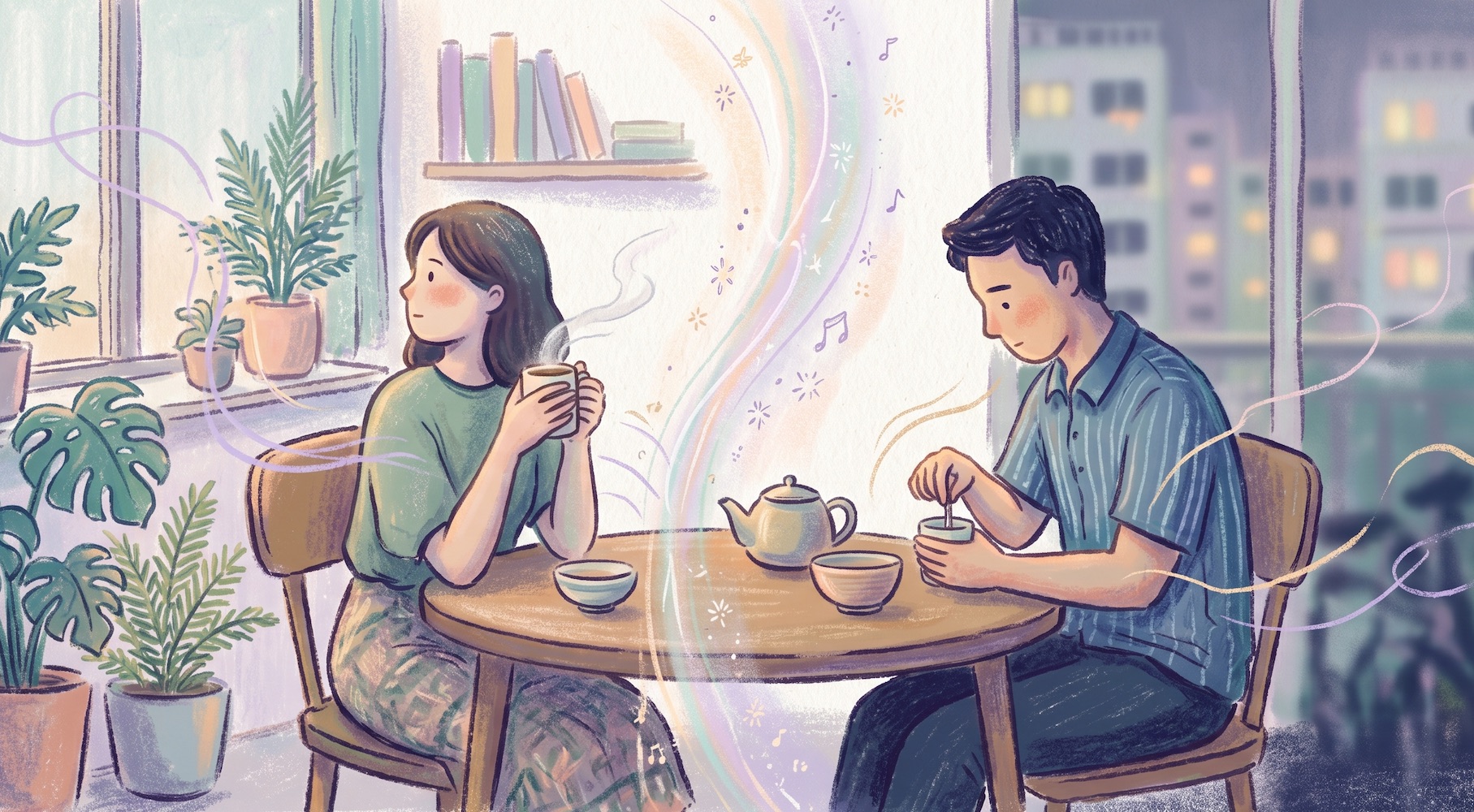
The weight of a laptop bag feels like a heavy stone when you look at the toys scattered across the floor. You have spent eight hours giving your best to a company, and now, the person you love most needs a version of you that feels completely empty. It is a quiet, heavy kind of tired. It is okay to admit that the "welcome home" hug sometimes feels like another task on a never-ending list.
The hidden reason your living room feels like a boardroom
The click of the door lock. The immediate scream for a chicken nugget. Your brain hasn't had the chance to switch gears. In the office, you are the person with the answers, the one who organises the spreadsheets and manages the team. At home, you are the person who finds the missing socks and wipes the spilled Ribena. The problem isn't just the work; it is the lack of a border between those two worlds. You are expected to go from "Corporate Professional" to "Nurturing Parent" in the time it takes to walk from the pavement to your front door.
Transitions are often the hardest part of a child's day. It is the same for us. When you haven't had a moment to breathe between the two roles, your body treats the second shift as a threat to your survival. You aren't being a "bad" partner or parent. You are simply a human being whose nervous system is stuck in the morning's traffic jam. The resentment you feel towards your partner or the kids is often just a cry for five minutes of stillness.
What happens when you change the lens
My nine-year-old has this way of looking at me when I walk in. He doesn't see a tired professional who just dealt with a difficult client. He sees a person who knows exactly where the Lego pieces are. It helped when I stopped looking at the evening as "Job #2." If we keep calling it a job, our brains will keep looking for a clock-out time that never comes. Instead, I started thinking of it as a change in my internal weather. The office is high-pressure and loud; the home should be the place where I can finally let the rain fall.
When you reframe these hours, you stop counting the chores and start noticing the small things. I realised that the mess wasn't an attack on my peace. It was just life happening. When you stop fighting the reality of a busy home, the exhaustion loses its sharp edge. You aren't "working" again; you are just being present in the life you worked so hard to build.

The shift in your head that changes everything
1. The Ten-Minute Buffer
Do not walk through that door immediately. If you drive, sit in the car at the car park for ten minutes. Listen to one song. If you take the bus, sit on a bench near the void deck and just watch the clouds. This little gap acts like a psychological "de-frizz" for your brain. It tells your body that the office shift is over. You enter the home as a person, not a walking to-do list.
2. The "Uniform" Change
The moment you get home, change your clothes. Take off the trousers, the blouse, or the formal shoes. Put on your oldest, softest t-shirt. This isn't just about comfort. It is a physical signal to your brain that you are no longer "on duty" for the corporate world. It is much harder to feel like an exhausted employee when you are wearing a shirt with a faded cartoon on it.
3. Share the Load Out Loud
Talk to your partner before the resentment boils over. Use a shared digital calendar or a simple list on the fridge. Instead of "You never help," try "I feel very overwhelmed when I see the laundry the moment I walk in." It's about being deliberate. If one person cooks, the other handles the bath time. Break the tasks into small, manageable chunks so no one feels like they are carrying the whole world on their shoulders.
4. Lower the Bar for Dinner
Stop trying to be a gourmet chef on a Tuesday. There is no shame in a simple meal or the occasional takeaway from the nearby hawker centre. If everyone is fed and the kitchen isn't on fire, you have succeeded. Sometimes, a plate of simple noodles and a bit of fruit is all you need. Saving your energy for a bedtime story is more important than a three-course meal that leaves you too tired to speak.
5. Digital Sunset
Put the phone in a drawer. The "Second Shift" feels much heavier when your boss is still buzzing in your pocket. Set a hard rule that work emails wait until tomorrow morning. When you give your full attention to the kids for even twenty minutes, they often settle down faster. They want you, not just your presence in the room while you stare at a screen.
Will you be the person who just "gets through" the night?
You are allowed to be tired. You are allowed to want a break. But remember that your children will not remember the clean floors or the perfectly organised toy box. They will remember the way you smelled like home and the way you finally sat down on the rug to play. The exhaustion is real, but it is also temporary. You are doing a hard thing, and you are doing it well.
The next time you put your key in the lock, ask yourself: Am I bringing the office home, or am I leaving it on the pavement?