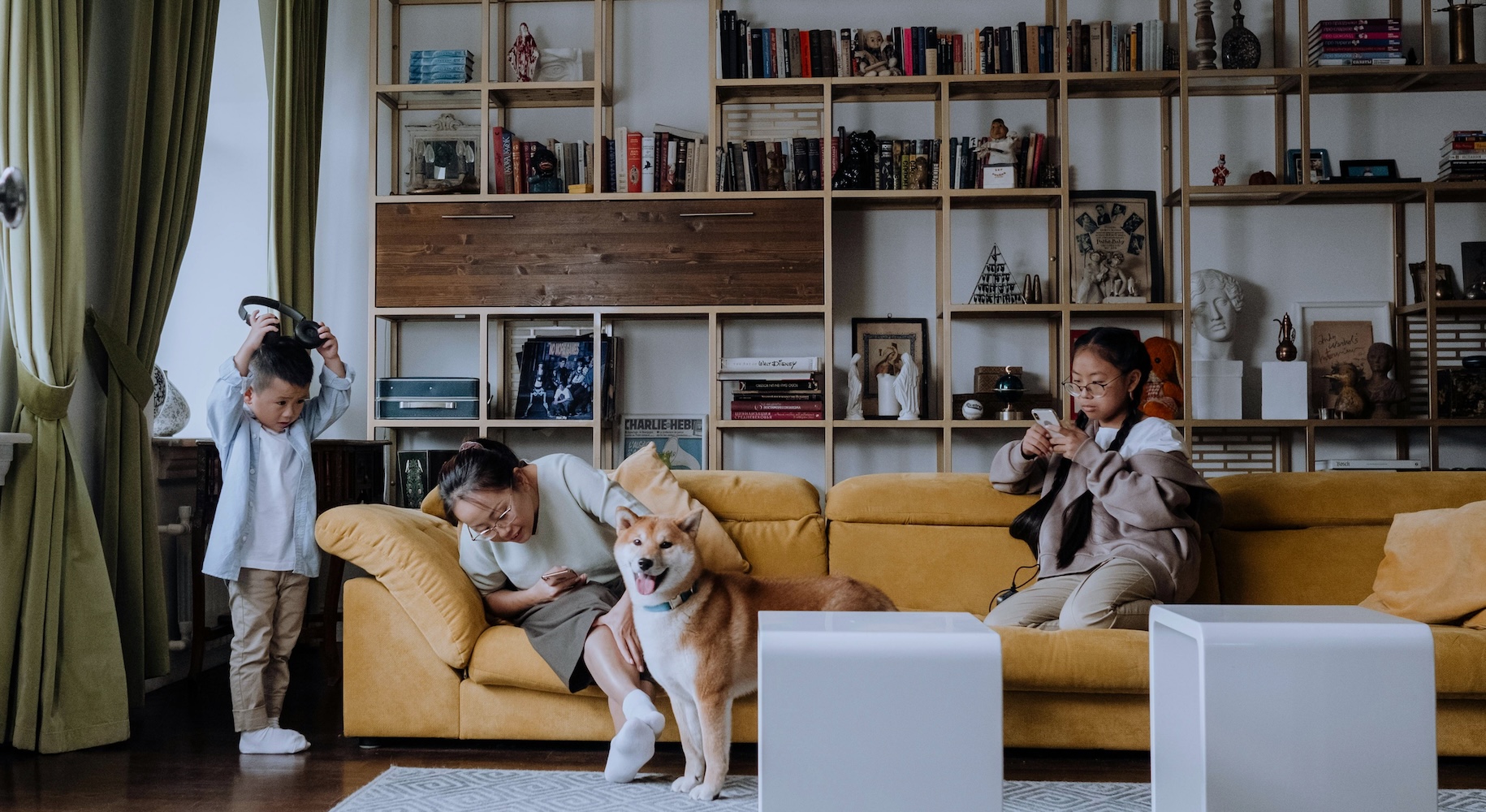
Surrounded by a mountain of laundry that needed folding, two half-finished art projects from kiddo, and a gym bag that seemed to have taken up permanent residency next to the sofa? I felt that familiar prickle of heat rising up my neck. It is a quiet struggle we often face in Singapore, where every square inch of our home feels like premium real estate and a single stray cardboard box can feel like an invasion. It is tiring to feel like you are constantly fighting for a bit of breathing room in the place where you are supposed to feel most relaxed.
The Hidden Reason Your Spouse Does Not See the Shoes in the Hallway
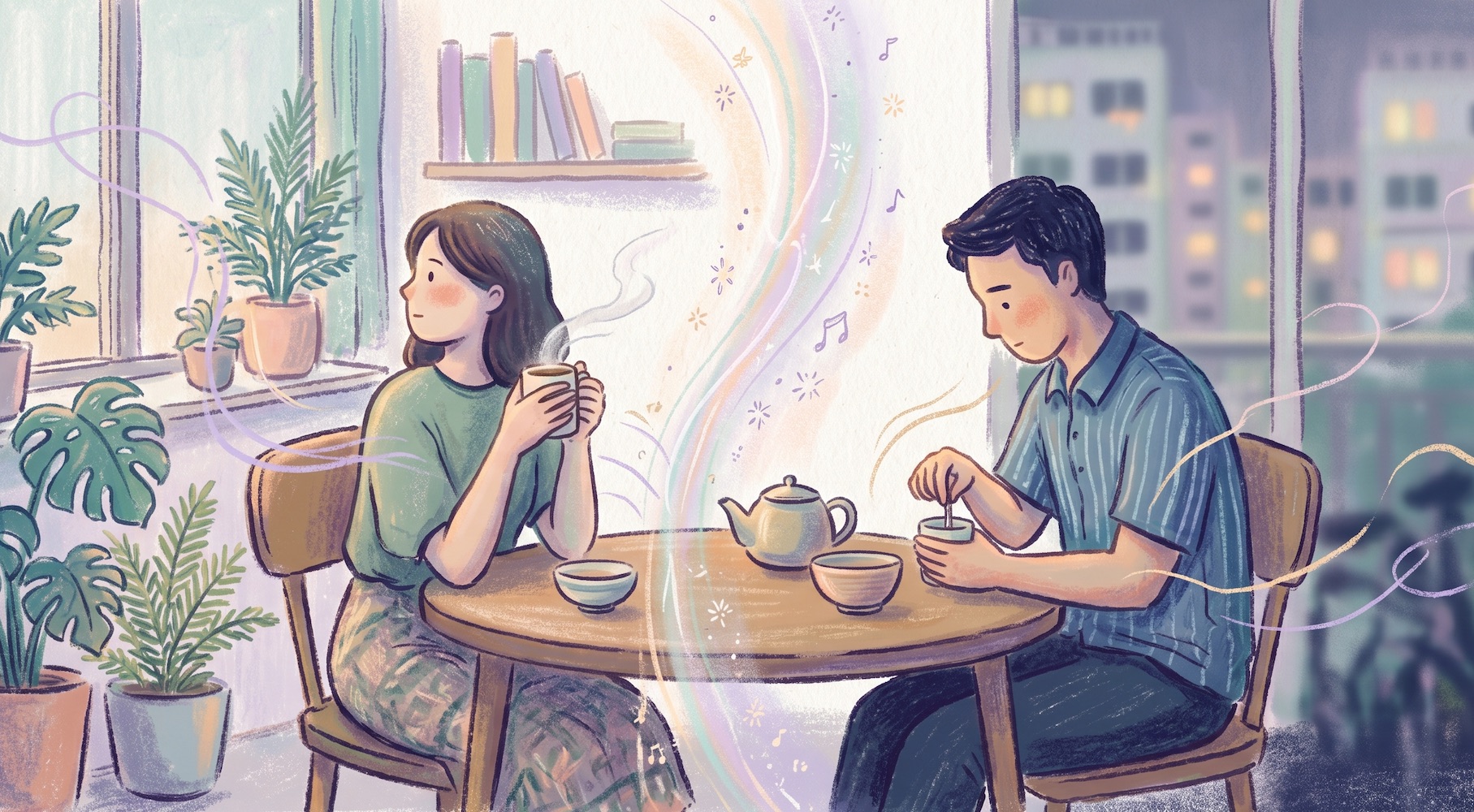
We often assume a partner leaves their things around because they do not care about our workload. But often, it is a simple case of "clutter blindness." My friend once told me that her husband honestly does not notice the stack of mail on the dining table until it physically prevents him from putting down his plate. Their brains just filter the visual noise differently than ours do. It is not a lack of respect; it is just a different way of processing the environment.
Sometimes, the clutter is a physical manifestation of a "to-do" list that has not been finished. That pile of electronics on the sideboard? To your partner, it might be a project they intend to finish once they have a moment of peace. Removing it feels like admitting they failed to get it done. It is an emotional anchor. The space becomes a battleground for identity and the desire to feel "at home" rather than just being a tidy showroom.
Why Your Living Room Is Actually a Map of Your Stress
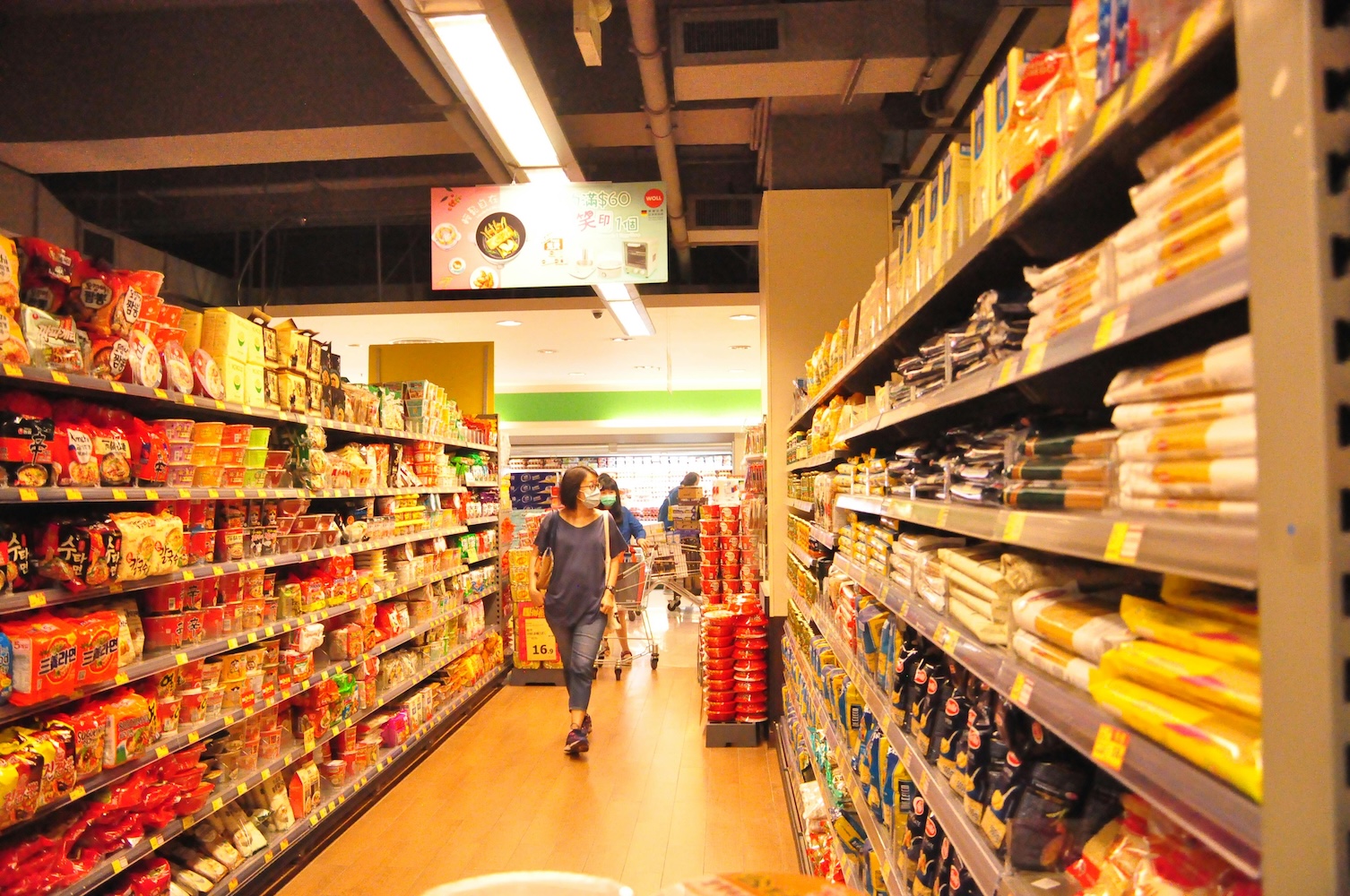
When we argue about the mess, we are usually arguing about our need for control. Living in a busy city means we deal with noise and crowds the moment we step out to the lift lobby. Our home is the one place where we expect to have a say over our surroundings. If I cannot control the crowd at the supermarket, I at least want to control the state of my kitchen counter. When a partner "encroaches" on that space, it feels like they are taking away our last bit of sanctuary.
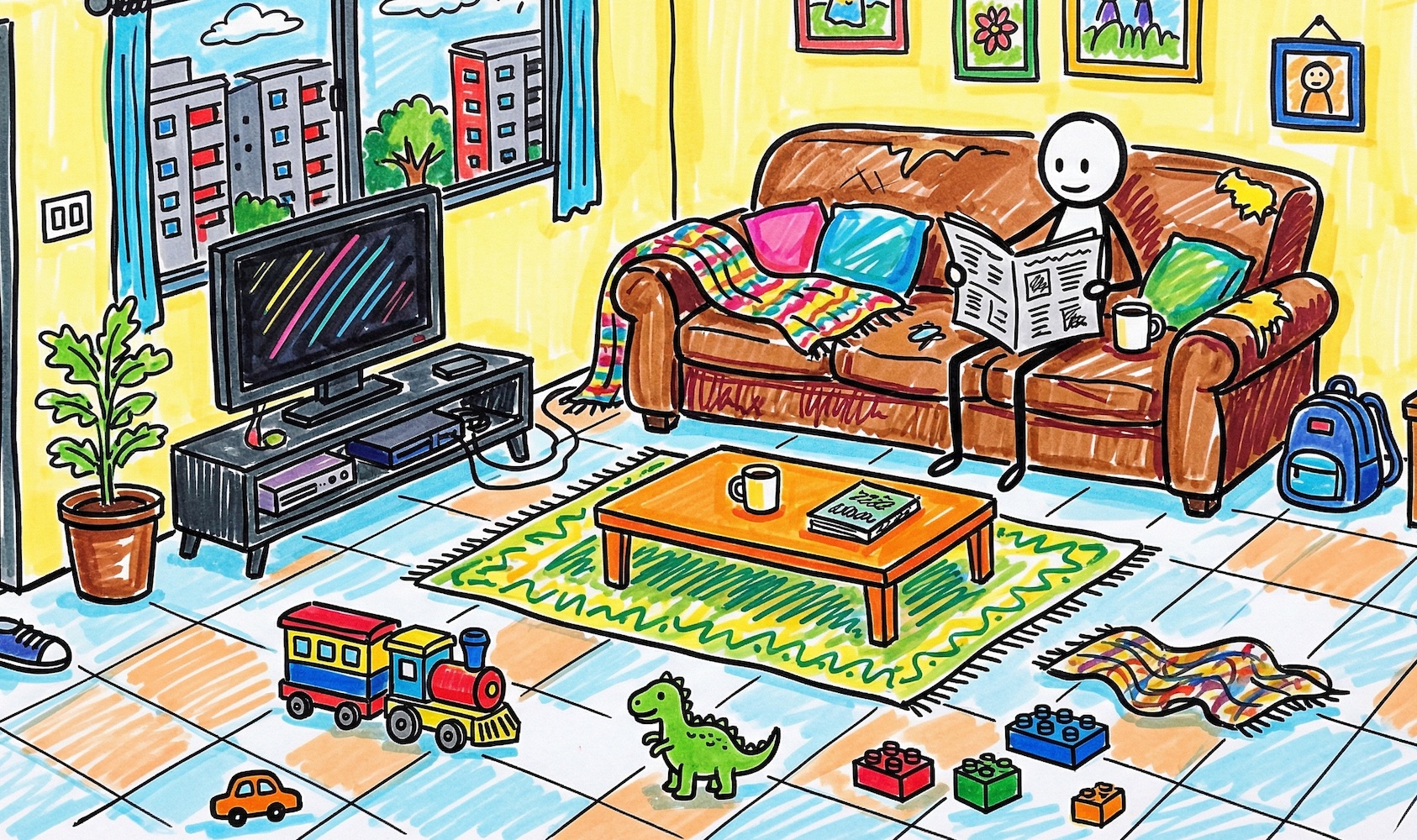
We can try to see the mess as evidence of a life well-lived. Those stray blocks and the discarded newspaper are signs that your family is present and active. I once saw a post in a parenting WhatsApp group that said a perfectly clean house is often a very lonely one. While we all need order to function, reframing the "stuff" as "activity" can sometimes lower the blood pressure just enough to have a calm conversation rather than a shouting match.
How to Reclaim Your Peace Without Throwing Everything Away
1. Designate a "Sacred Square"
Pick one area of the home that must remain clear at all times. It could be the dining table or the coffee table. This gives you a visual "reset" point. I found that having just one clear surface helped me feel less overwhelmed even if the rest of the room was a bit chaotic. Everyone in the house needs to agree that this specific spot is off-limits for dumping bags or mail.
2. The "Ten-Minute Cleaning Sprint"
Before the kids start their bedtime routine, set a timer for ten minutes. Everyone—partner included—must move as fast as they can to put things back in their proper homes. Use a basket for things that belong to someone else. It turns a chore into a quick burst of energy. The short duration makes it feel manageable rather than like a heavy Sunday afternoon of spring cleaning.
3. Use the "Out of Sight" Bin
If your partner has a habit of leaving items in common areas, give them a dedicated "catch-all" bin. Instead of nagging them to move their things, simply place their stray items into their bin. It keeps the space clear for you without the friction of a confrontation. They know exactly where their stuff is, and you get your tidy counter back. Win-win.
4. Communicate the "Feeling" Not the "Task"
Instead of saying "You always leave your bag here," try saying "I feel really unsettled when the hallway is blocked because I feel like I can't move freely in my own home." It shifts the focus from their failure to your needs. Most partners want to help you feel better; they just do not always realise that a gym bag is the thing standing in the way of your happiness.
5. Review the Storage Logic
Sometimes things are left out because they do not have an easy "home." I realised that my kids were leaving their bags on the floor because the hooks in the entryway were too high for them to reach. We added some lower hooks and the problem vanished. Walk through your home and see where the bottlenecks are. Is it actually easy to put things away, or is it a struggle?
Is This Argument Really About the Pile of Mail?
The next time you feel that surge of anger over a pair of socks on the rug, take a breath. The mess is often just a trigger for something deeper, like a need for appreciation or a desire for a moment of quiet. I stood there looking at the stack of old newspapers, the half-finished primary school art project, the rogue charging cable, and the three empty mugs that had been sitting there since Monday morning, feeling my chest tighten until I thought I might actually explode from the sheer weight of it all. It was too much. But then I looked at my husband, who was also looking exhausted after a long day at work, and I realised we were both just tired. We are on the same team.
When you see that pile of clutter tonight, ask yourself: If this space was perfectly empty tomorrow, would I feel more peaceful, or would I just feel alone?