The Allegory of the Cave: Breaking Free from the Algorithm

What if everything you thought was "real" was actually just a shadow on a wall? The Allegory of the Cave is a profound philosophical journey in navigating a world of algorithms and echo chambers. It explores the painful, often lonely process of seeking the truth and the courage required to look past the "screen" to see the world as it actually is.

Critical ThinkingIntellectual CourageDiscernment

The Allegory of the Cave

Imagine a vast, deep cave where a group of prisoners has lived since childhood. They are chained in place, facing a blank wall. They cannot turn their heads; all they can see is what is directly in front of them. Behind them, a great fire burns, and between the fire and the prisoners, there is a raised path where people carry various objects—statues of animals, plants, and tools. These objects cast flickering shadows on the cave wall.

For the prisoners, these shadows are the only reality they have ever known. They give the shadows names, they have competitions to see who can predict which shadow will appear next, and they admire those who are "experts" at interpreting the darkness. They don't know the fire exists. They don't know the objects are mere copies. To them, the shadow of a tree is a tree.

Now, imagine one prisoner is suddenly freed. As he stands up and turns around, the firelight blinds him. It is painful to look at the very things he once saw as shadows. But he is pushed further, climbing a steep, rugged path out of the cave and into the sunlight of the world above. At first, he is overwhelmed. The sun is so bright he can only look at reflections in the water. But slowly, his eyes adjust. He sees real trees, real animals, and finally, the sun itself. He realises that the sun is the source of all light and life, and that his life in the cave was a hollow illusion.

Filled with pity for his friends, he returns to the darkness to rescue them. But his eyes, now accustomed to the sun, can no longer see the shadows clearly. He stumbles in the dark. The other prisoners mock him, saying that his journey outside has ruined his eyesight. They believe he has gone mad. They cling to their chains, terrified of the light and angry at the person trying to wake them up. They would rather stay in the comfort of their shadows than face the difficult, blinding beauty of the truth.
Share This

Bringing the Story Home

Use these notes to translate the story into a meaningful conversations.

Lesson behind the Tale

In the age of social media algorithms and intense peer pressure, it is incredibly easy for teenagers to default to groupthink, letting online trends and group chat consensus dictate what they believe. As a parent, your role is to help them understand that following the crowd is just a comfortable trap. True intellectual independence requires the courage to question popular narratives—even when it feels socially risky—and the resilience to stand by the facts even when their peer group labels them an outsider for doing so.

Relating to Our World

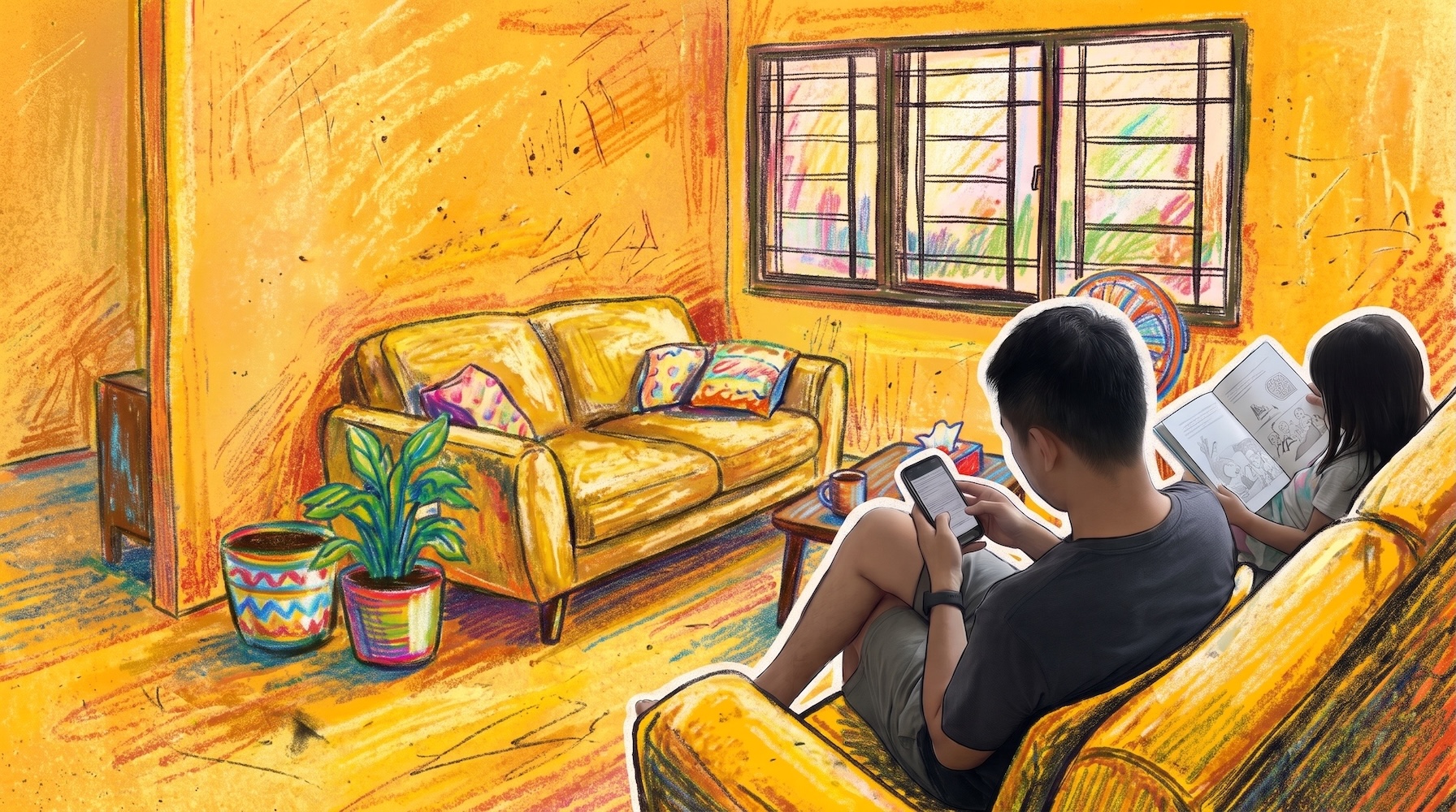
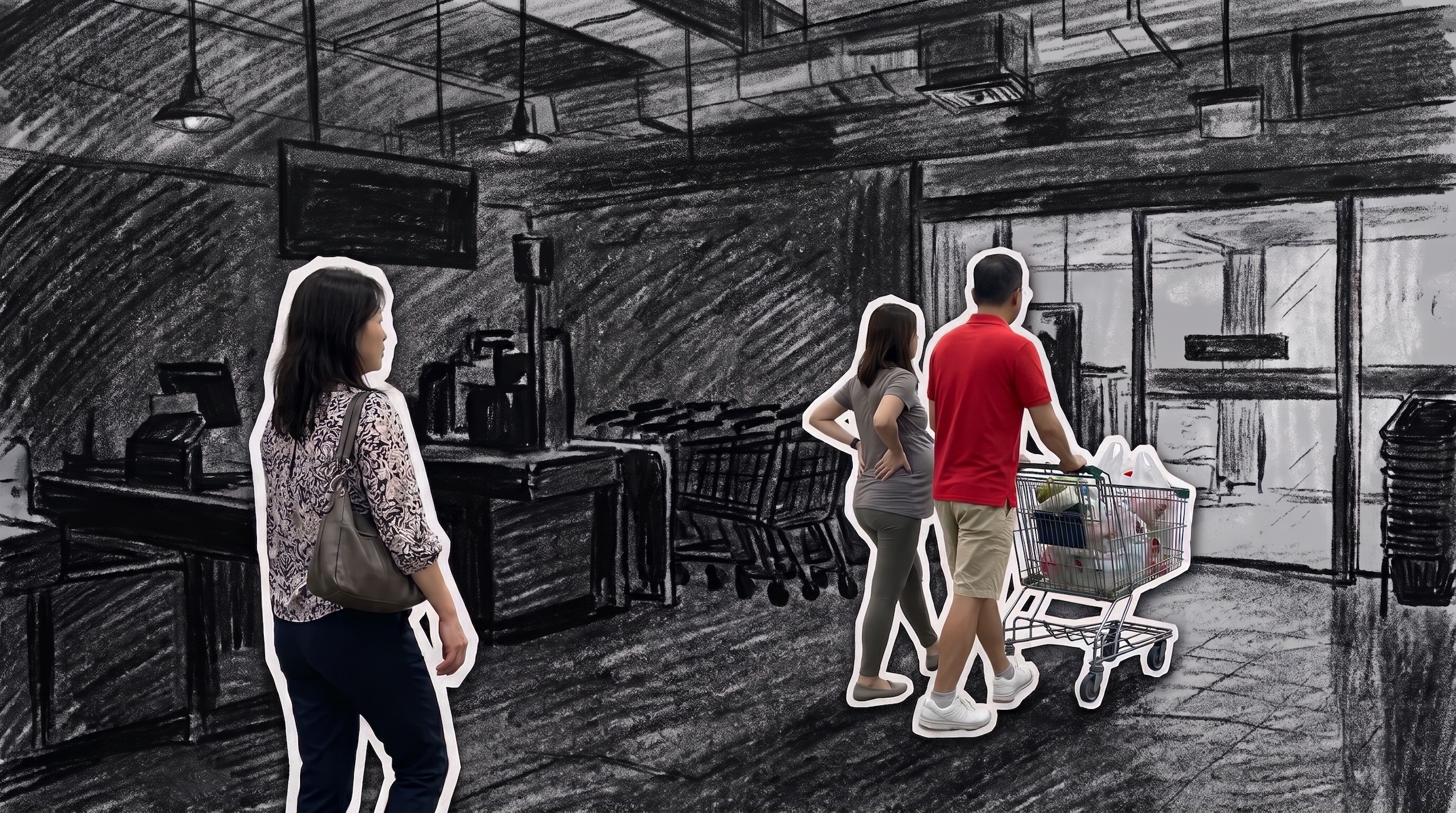
For a 13-15 year old, the "Cave" is the algorithm. Their TikTok feed, their Instagram Explore page, and their friend groups are all "fires" casting shadows. If everyone in their circle is saying the same thing, or if their feed is only showing one side of a story, they are effectively in chains. They aren't seeing the world; they are seeing a projection designed to keep them engaged.

Teenagers can learn about Information Literacy. We want our teens to be the "Escaped Prisoner." This means being skeptical of "experts" who only interpret shadows, and having the guts to look for primary sources and diverse perspectives. It's a reminder that being "woke" in the classical sense isn't about following a new trend; it's about the uncomfortable process of realising that the trends themselves might be the shadows.

Opening the Dialogue

"The freed prisoner found the light painful at first and wanted to go back to the dark. Have you ever learned a truth—about a friend, a news story, or even yourself—that was so uncomfortable you wished you could just go back to not knowing?"

  • If they say 'Yes' "That's the 'climb' out of the cave. The truth doesn't care about our comfort. But once you've seen the sun, you can't really go back to being satisfied with shadows. How did knowing that truth change the way you made decisions afterwards?"
  • If they say 'No' "It usually happens when you realise a 'popular' opinion is actually wrong. It's lonely to be the only one who sees the fire while everyone else is cheering for the shadows. Do you think you'd have the courage to tell your friends they were looking at an illusion?"

"The prisoners mocked the man who returned because he couldn't see the shadows anymore. In your school or social groups, what happens to the person who tries to suggest a 'different' way of thinking than the majority?"

  • If they mention cancel culture/social exclusion "Exactly. The cave is a safe place as long as everyone stays in their chains. The moment someone challenges the reality of the shadows, they become a threat. How do you handle it when you feel like you're the only one 'climbing' out?"
  • If they say 'People listen' "That's a sign of a very healthy 'cave'! But even then, the truth is a heavy thing to carry. Plato's point is that the person who sees the sun has a responsibility to help others see it, too, even if it's difficult."

Putting it into Practice

Use this exercise to help your teen break free from online echo chambers and develop independent critical thinking. Have them pick one hot topic, lifestyle trend, or opinion they feel strongly about right now.

For the next 30 to 60 minutes, challenge them to intentionally search for high-quality, credible sources that argue the exact *opposite* of their current viewpoint. Instruct them to pay close attention to how hard their social media algorithm works to pull them back into their usual content loop. Frame this not as an exercise to change their mind, but as a practical way to show them how the "cave" of online feeds controls what they see—and how true intellectual freedom means choosing what to look at for themselves.

Build Character, One Story at a Time

Nurturing values like integrity and courage doesn't happen overnight. Explore our full library of stories designed to help parents navigate every milestone.

Browse More Stories About Life

Recommend for You