
Flying Long-Haul with Toddlers: Managing International Air Travel with Young Children
By
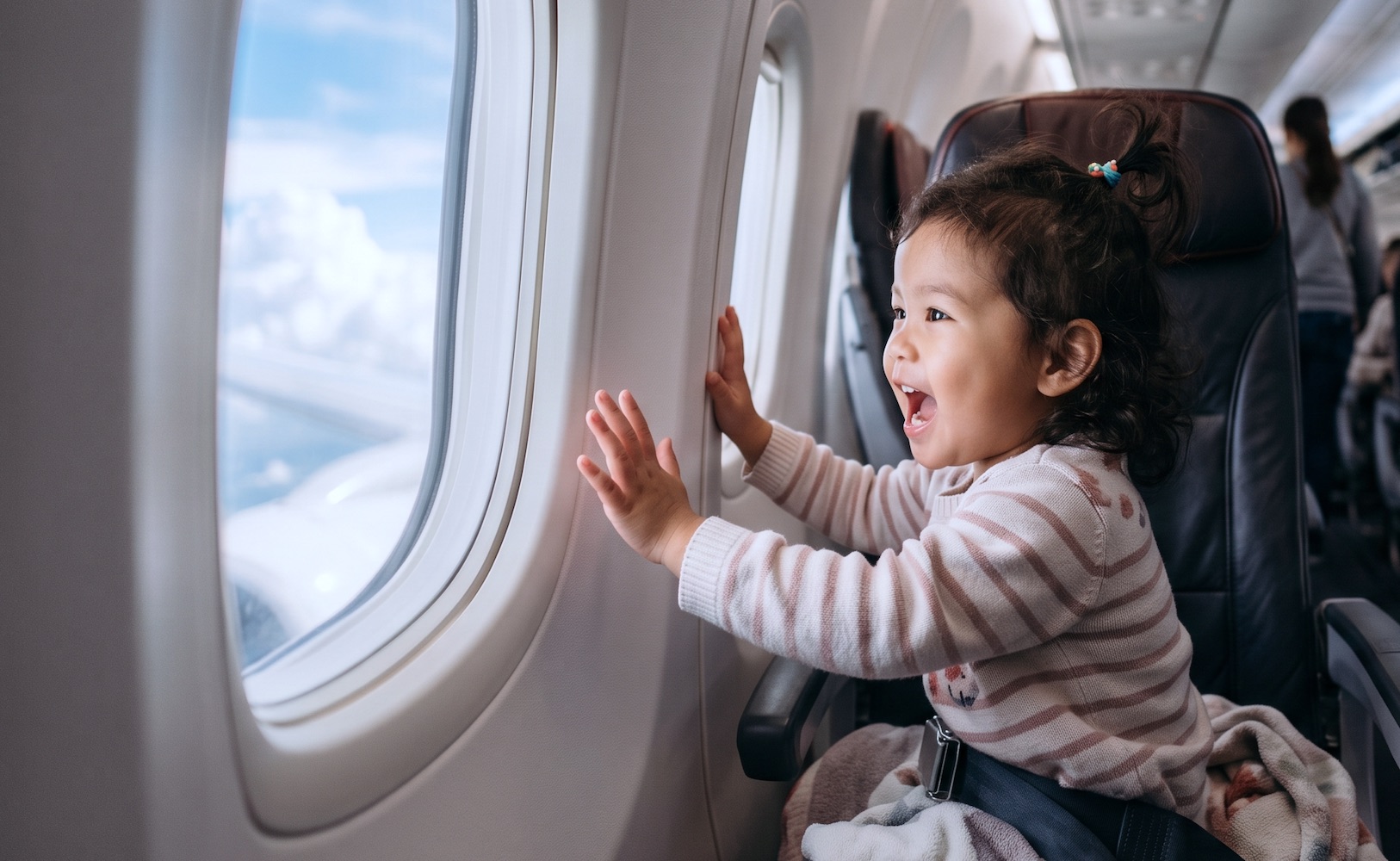
The thought of cooping up an energetic toddler inside a metal tube for thirteen hours is daunting. Before you pack your bags, read this practical guide. We outline the crucial environmental adjustments and behavioural steps that help you survive the long distance, ensuring your family arrives well-rested and prepared.
🎯 1. Read this First
This is your primary focus for the entire journey.
-
Prioritise basic survival.Forget your usual screen-time limits and sleep routines because your single goal is getting from Changi to your destination with everyone remaining calm and safe.
🚨 2. Warning Signs
Watch for these physiological and behavioral triggers that require swift intervention.
-
Continuous ear tuggingThis indicates severe pressure buildup or barotrauma. Offer a pacifier, water bottle, or toddler snack to force swallowing during descent before pain turns into uncontrollable crying.
-
Sudden body lethargyCheck for a spiking fever or glassiness in the eyes. Keep infant paracetamol or ibuprofen syrup under 100ml in your cabin bag for quick access during the flight.
-
Dry cracked lipsThis signals cabin air dehydration. Monitor fluid intake and urine output, ensuring they drink small sips of water every hour even if they prefer juice or milk.
⏳ 3. Do Ahead
Complete these environmental and logistical preparations before you arrive at Changi Airport.
-
Download offline mediaSave favourite cartoons and interactive games directly onto your device. Do not rely on cabin Wi-Fi or onboard entertainment systems to work seamlessly throughout the overnight journey.
-
Select bassinet rowsBook the bulkhead seats early through your airline portal. Even if your child exceeds the weight limit, the extra legroom gives them space to stand and move safely.
-
Pack separate outfitsSeal three complete changes of clothes into individual plastic bags. Include extra tops for yourself to handle unexpected spills, vomit, or diaper leaks inside the tight cabin space.
-
Portion familiar snacksFill small containers with rice crackers and raisins from your local supermarket. Onboard meals rarely align with toddler hunger pangs, and familiar food provides instant comfort.
-
Tag your strollerRequest a gate-check tag at the check-in counter. This ensures you keep the stroller until boarding and receive it right outside the aircraft door upon landing.
⚡ 4. While It's Happening
Use these live operational steps to navigate the cabin experience in real time.
-
Walk the aislesPace the rear galley area when the seatbelt sign is off. This movement expels excess toddler energy and prevents restlessness before you need them to sit for meals.
-
Introduce new toysReveal one small wrapped toy every two hours. The novelty of unwrapping a simple sticker book or toy car keeps their attention span occupied longer than a familiar item.
-
Enforce cabin swallowingGive them a milk bottle or chewy snack during takeoff and landing. The sucking motion opens the eustachian tubes, preventing severe pressure discomfort during rapid altitude alterations.
-
Sanitise the armrestsWipe down the tray table, screen, and window shades as soon as you sit. Toddlers touch every surface before putting hands in their mouths, increasing illness exposure.
🔄 5. Afterward
Follow these steps to manage the arrival process and reset your environment smoothly.
-
Wait at the airbridgeStand clear of the main passenger flow while waiting for your gate-checked stroller. Let other travellers pass so you can assemble your gear without blocking the narrow walkway.
-
Offer fresh waterRefill your bottles immediately after clearing customs. Air travel dries out young bodies, and replenishing fluids quickly helps minimise irritability during the transit commute to your accommodation.
-
Adopt destination routinesSwitch to the local time zone schedule immediately upon arrival. Expose your toddler to natural sunlight to help re-adjust their circadian rhythm and manage potential sleep disruptions.
🚫 6. Don't Bother
Eliminate these low-value tasks to save your physical stamina and mental energy.
-
Skip expensive flight bedsIgnore over-priced inflatable seat extenders unless your airline explicitly approves them. Many carriers reject these devices at the gate, leaving you with useless heavy gear to carry around.
-
Avoid matching travel wearDisregard stylish or complex clothing ensembles for social media photos. Prioritise soft, breathable cotton layers with elastic waistbands that facilitate effortless, rapid diaper changes in cramped toilets.
-
Relax strict diet rulesDo not worry about clean eating for one day. A small treat can diffuse a stressful situation when cabin crew are serving hot meals and movement is restricted.
🧠 7. For Adults
Maintain your own physical baseline and composure with these direct self-preservation steps.
-
Assign clear blocksAssign clear two-hour blocks of time if travelling with a partner. One parent rests with noise-cancelling headphones while the other stays fully engaged, preventing collective burnout before landing.
-
Time your drinksAvoid drinking hot coffee while holding a restless child. Delay your caffeine fix until the toddler is securely strapped in or asleep to prevent accidental cabin burns.
-
Lower your standardsRecognise that a crying episode is temporary and does not mean you are failing. Apologise politely to your seat neighbours once, then focus entirely on your child's needs.
More Parenting Checklists
From school transitions to family trips — get on top of major family milestones with our complete library of practical, zero-fluff trackers.
Operational Guide Only: This checklist is a practical framework designed to streamline family logistics and reduce daily household anxiety. It does not constitute absolute rules. Parental discretion and adjustments should always be made based on your specific circumstances.
Important Medical Disclaimer
This information is for informational and educational purposes only. It is not a substitute for professional medical advice, diagnosis, triage, or treatment. Never disregard professional medical advice, ignore red-flag symptoms, or delay seeking clinical care because of instructions found within this digital tool. In an acute health crisis or emergency, proceed immediately to the nearest 24-hour pediatric clinic or hospital Accident & Emergency (A&E) department.