
Keeping It Simple: Toddler Potty Training
By
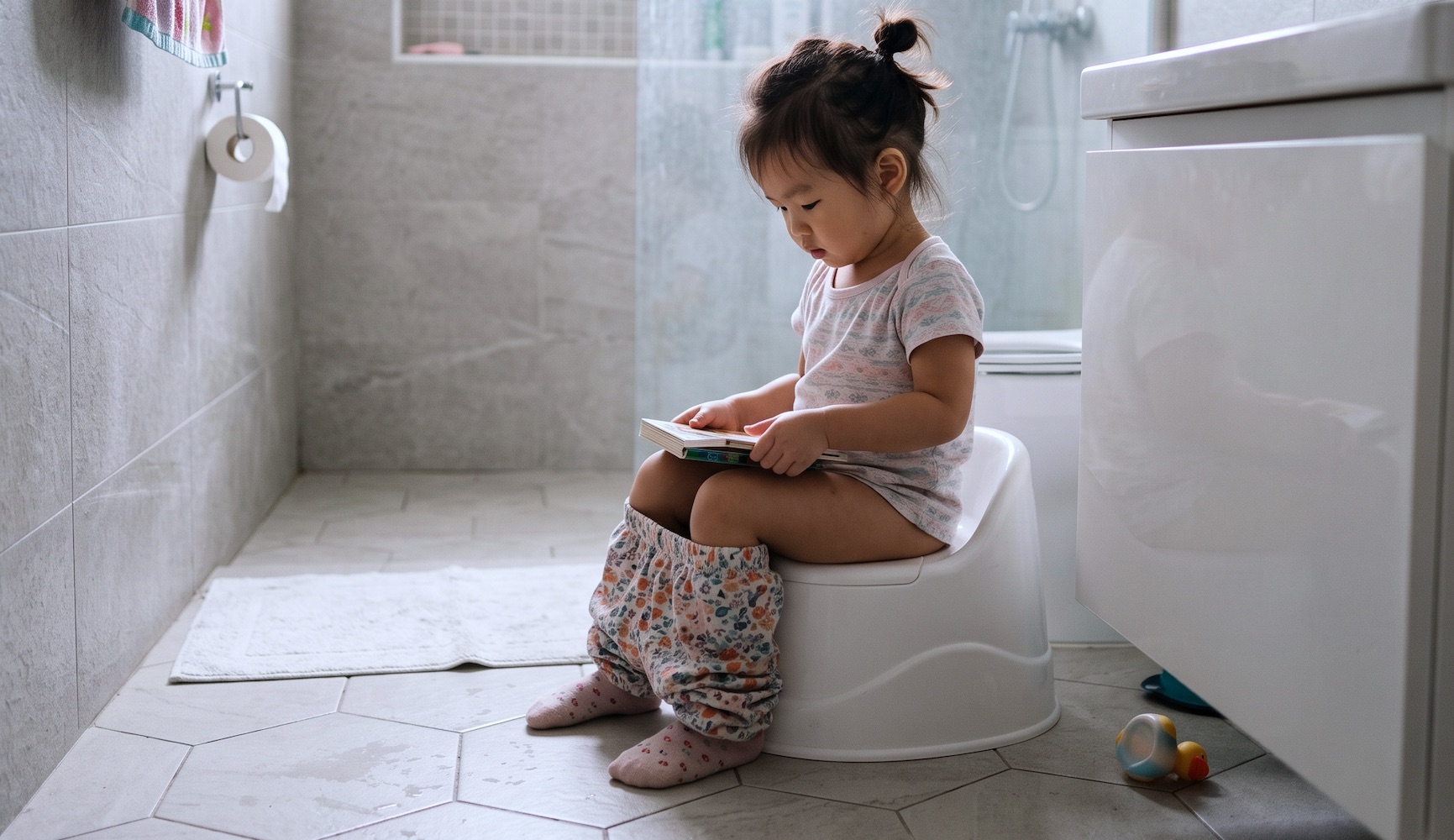
Dealing with wet clothes while managing a household is tiring, especially when standard advice feels too complicated to follow. You do not need to overthink this milestone. Here is the straightforward routine to protect your peace, manage your cleaning supplies efficiently, and get your toddler ready for school.
🎯 1. Read this First
Hold onto this core focus before you change your daily routine or buy any gear.
-
Prioritise consistency over speed.Ignore weekend crash courses and peer pressure from preschool chat groups; your child will learn when their bladder muscles mature naturally without artificial timelines.
🚨 2. Warning Signs
Watch for these physical indicators that mean you must halt training to protect your child's health.
-
Watch for stool withholding.If your child avoids bowel movements for over three days, stop the process to prevent painful impaction or long-term chronic constipation that requires medical intervention.
-
Monitor frequent painful urination.Crying during urination, unusual lethargy, or a sudden fever indicates a potential urinary tract infection requiring a prompt visit to your family general practitioner.
⏳ 3. Do Ahead
Set up your home environment and align schedules well before the diapers come off.
-
Layer waterproof mattress protectors.Place two layers of waterproof sheets under the bedsheets on all mattresses to handle accidents smoothly during night training without ruining expensive bedding components.
-
Install stable step stools.Place non-slip step stools at both the toilet bowl and basin so your child can access facilities independently without risking slips on wet floor tiles.
-
Stock up on cleaning agents.Purchase enzyme-based floor cleaners and microfiber cloths to sanitise tile floors quickly, keeping supplies within reach but safely out of your child's physical path.
-
Coordinate with preschool teachers.Inform the childcare teachers about your start date to align toilet intervals, ensuring your child experiences identical routines at home and in the childcare centre.
⚡ 4. While It's Happening
Manage the daily routine with these active, real-time habits when your child is bare or in training pants.
-
Offer timed toilet intervals.Lead your child to the bathroom every ninety minutes without asking if they need to go, as young children rarely recognise a full bladder early enough.
-
Dress them in shorts.Utilise loose elastic waistband shorts without buttons, zips, or complicated layers, allowing your child to pull their clothes down fast when urgency strikes suddenly.
-
Use direct anatomical terms.Communicate using clear, consistent words for bodily functions so grandparents, domestic helpers, and school staff can understand your child's physical needs without any confusion.
-
Clean accidents without emotion.Wipe up puddles quietly without scolding or showing disappointment, maintaining a neutral expression to prevent your child from developing anxiety around bodily functions.
🔄 5. Afterward
Reset your supplies and handle the cleanup once the evening wind-down begins.
-
Run an evening wash.Wash all soiled training pants and clothes before bed using a sanitising cycle, then set your dehumidifier to dry them quickly overnight given the humid weather.
-
Restock the portable bag.Replace used spare clothes, wet bags, and wet wipes in your outing backpack every evening so you never leave the house underprepared the next morning.
🚫 6. Don't Bother
Save your money and mental bandwidth by crossing these unnecessary elements off your list.
-
Skip expensive musical potties.Avoid complex electronic toilet chairs that flash lights or play songs, as they create unnecessary distractions instead of helping your child focus on physical release.
-
Ignore elaborate sticker systems.Do not rely on complex point rewards or toys for successful attempts, which often backfire when children begin negotiating for treats just to sit down.
-
Don't buy tracking software.Resist premium mobile applications meant to chart toilet timing down to the minute; a basic digital kitchen timer handles interval alerts perfectly well for zero cost.
🧠 7. For Adults
Keep your own stress levels low and maintain your stamina throughout this intensive family phase.
-
Wear indoor rubber slippers.Keep your own house slippers on to avoid the unpleasant sensation of stepping onto unexpected wet patches barefoot, reducing your sudden irritation levels during cleanups.
-
Create clean handover windows.Schedule specific two-hour blocks with your spouse or helper where you are entirely off duty, letting you step out of the house for unhurried personal time.
More Parenting Checklists
From school transitions to family trips — get on top of major family milestones with our complete library of practical, zero-fluff trackers.
Operational Guide Only: This checklist is a practical framework designed to streamline family logistics and reduce daily household anxiety. It does not constitute absolute rules. Parental discretion and adjustments should always be made based on your specific circumstances.
Important Medical Disclaimer
This information is for informational and educational purposes only. It is not a substitute for professional medical advice, diagnosis, triage, or treatment. Never disregard professional medical advice, ignore red-flag symptoms, or delay seeking clinical care because of instructions found within this digital tool. In an acute health crisis or emergency, proceed immediately to the nearest 24-hour pediatric clinic or hospital Accident & Emergency (A&E) department.