
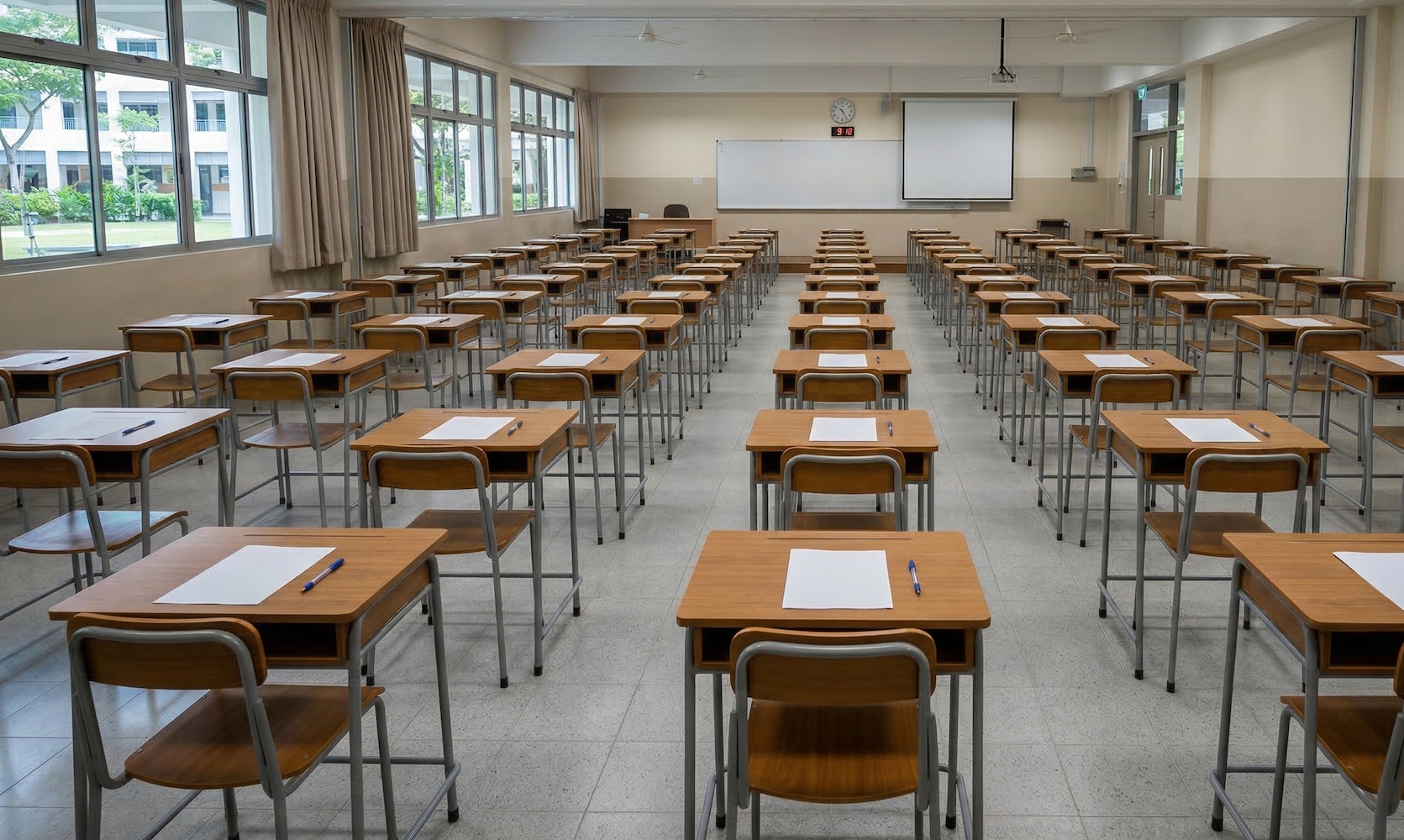
The smell of freshly sharpened pencils always makes me a little tight in the chest. I remember sitting for my own exams back in the nineties, the ceiling fans whirring at the Bedok View Primary hall, and that familiar, cold knot forming right under my ribs before the invigilator said 'Start'. Now, seeing my son—who is only nine—stare at his porridge with that same pale, pinched look before a weighted assessment, it brings it all back. I know how much you want to just scoop them up and tell them it doesn't matter, but in our system, it often feels like it matters more than anything. If your child is complaining of nausea or a 'funny feeling' in their belly as PSLE or weighted assessments approach, please know you aren't failing as a parent. Their little bodies are just trying to process a very big world.
The hidden reasons your child's body is sounding the alarm
The sound of a pencil lead snapping in a dead-silent room is startling. My daughter, who just started primary school, does this when she is trying too hard to get her letters 'perfect' inside the lines; that physical tension has to go somewhere, and often, it travels straight to the gut. The enteric nervous system in the stomach is often called the 'second brain'. When a child feels they cannot meet the expectations of their teachers or the 'ideal' score discussed in the school, their brain sends a distress signal. It is not just 'nerves'—it is a physiological flood of cortisol that slows down digestion.
Sometimes, it is also about the lack of an exit ramp. In Singapore, we talk about exams like they are the only gateway to a good life. For a ten or twelve-year-old, the idea of 'failing' feels like falling off a cliff. They don't have the life experience to know that there are many paths. So, the body reacts as if it is facing a physical threat, like a predator in the wild, rather than just a paper on a desk at the tuition centre. They aren't being 'dramatic'. They are actually in pain.
What if we looked at the stomach ache as a secret messenger?
I found an old report card in a moving box last month. The grades seemed so heavy back then, like they defined the very air I breathed, but looking at them now, they are just faded ink on yellowing paper. We often view these physical symptoms as a problem to be fixed or suppressed so the child can 'get on with it'. But what if we saw the nausea as a signal that the pressure cooker is too full? It is an invitation to look at how we talk about success at the dinner table. When we reframe the stomach ache as a message rather than a nuisance, we stop being the 'exam proctor' and start being the 'safe harbour'.

Simple shifts to quiet the pre-paper storm
1. Normalise the 'Butterflies'
Instead of telling them "don't worry" or "there is nothing to be afraid of"—which can make them feel even more 'wrong' for being scared—try naming the feeling. I tell my son that those butterflies in his tummy are just his body getting extra energy ready for his brain to use. We call it 'ready-energy'. When we give the feeling a name that isn't scary, the fear of the feeling itself starts to melt away. And honestly? It works better than any lecture.
2. The 'No-Talk' Breakfast
We have a rule during exam week: no 'school talk' at the breakfast table. No last-minute reminders about 'checking your work' or 'remembering your units'. Let them eat their eggs or toast in peace. The morning of an exam should be about the physical body feeling safe and fuelled, not about filling the brain with more anxiety. The silence is actually very restorative.
3. Physical Release, Not Just Revision
When we see our little ones doubled over on the sofa with a heating pad or refusing their favourite breakfast of kaya toast because their throat feels tight and their stomach is doing somersaults before a major paper, it honestly feels like our own hearts are being squeezed by a giant, invisible hand. It hurts. To combat this, get them moving. A quick ten-minute kick of a ball at the void deck or a walk to the nearby pavement can help burn off that excess adrenaline that is making them feel sick. Movement tells the brain the 'danger' has passed.
4. The Worst-Case Scenario Game
Fear grows in the dark. Sometimes, I sit with my kids and we talk about the 'scariest' thing that could happen. "What if you fail?" I ask gently. Then we talk about what we would do next. We would go for ice cream, we would still love them, and we would find another way forward. When they realise the world doesn't end if the score is low, the stomach knot usually loosens just a little bit. It gives them permission to be human.
The one thing we forget to look at in the mirror
We want the best for them, but sometimes our own 'kiasu' spirit or our own unhealed memories of school stress leak out onto them without us even saying a word. They are like little mirrors, reflecting the tension in our jaws and the way we check our watches. If we want them to be calm, we have to find a way to be the calmest person in the room first. The next time you see your child clutching their tummy before school, take a deep breath and ask yourself: what is my face telling them right now?