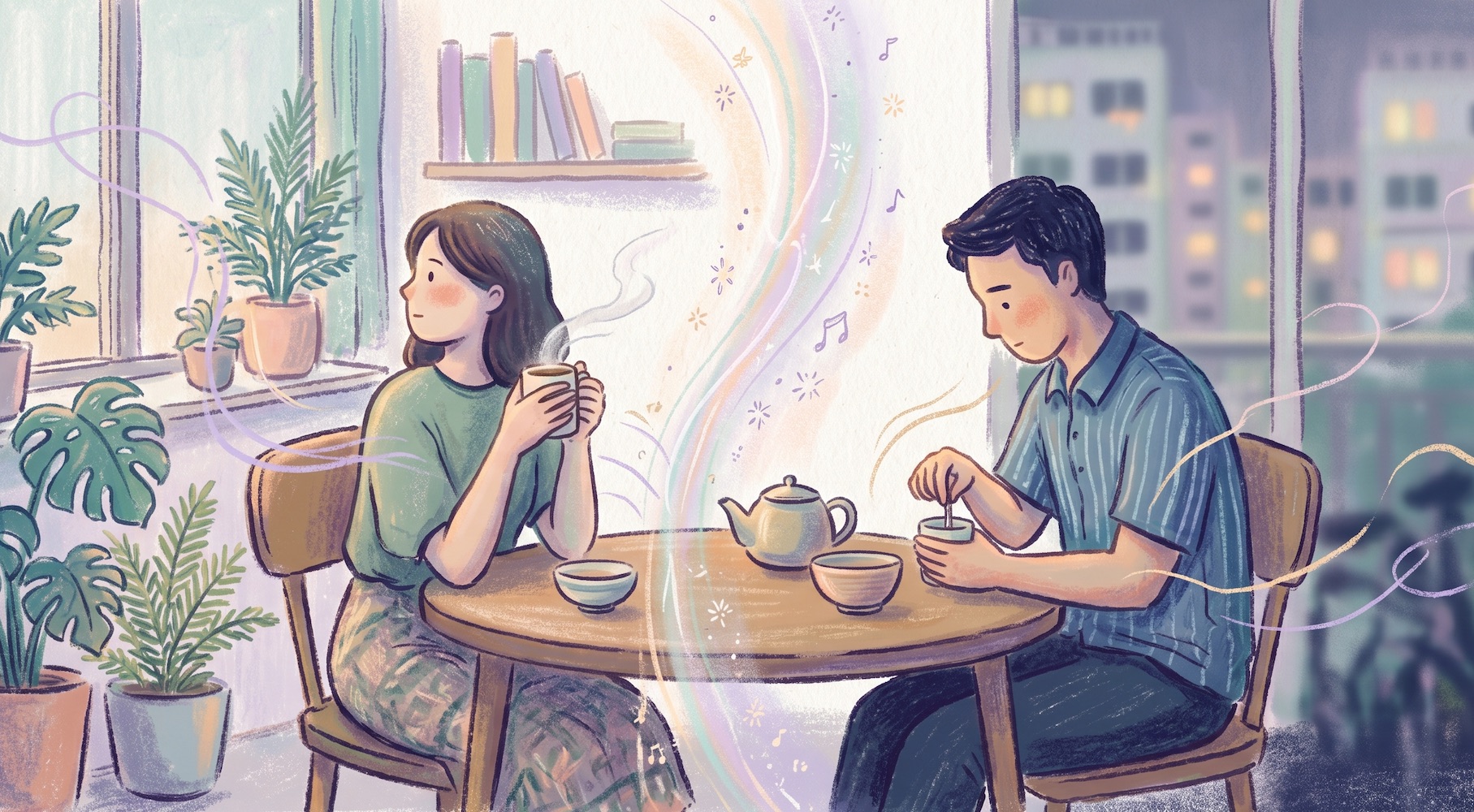
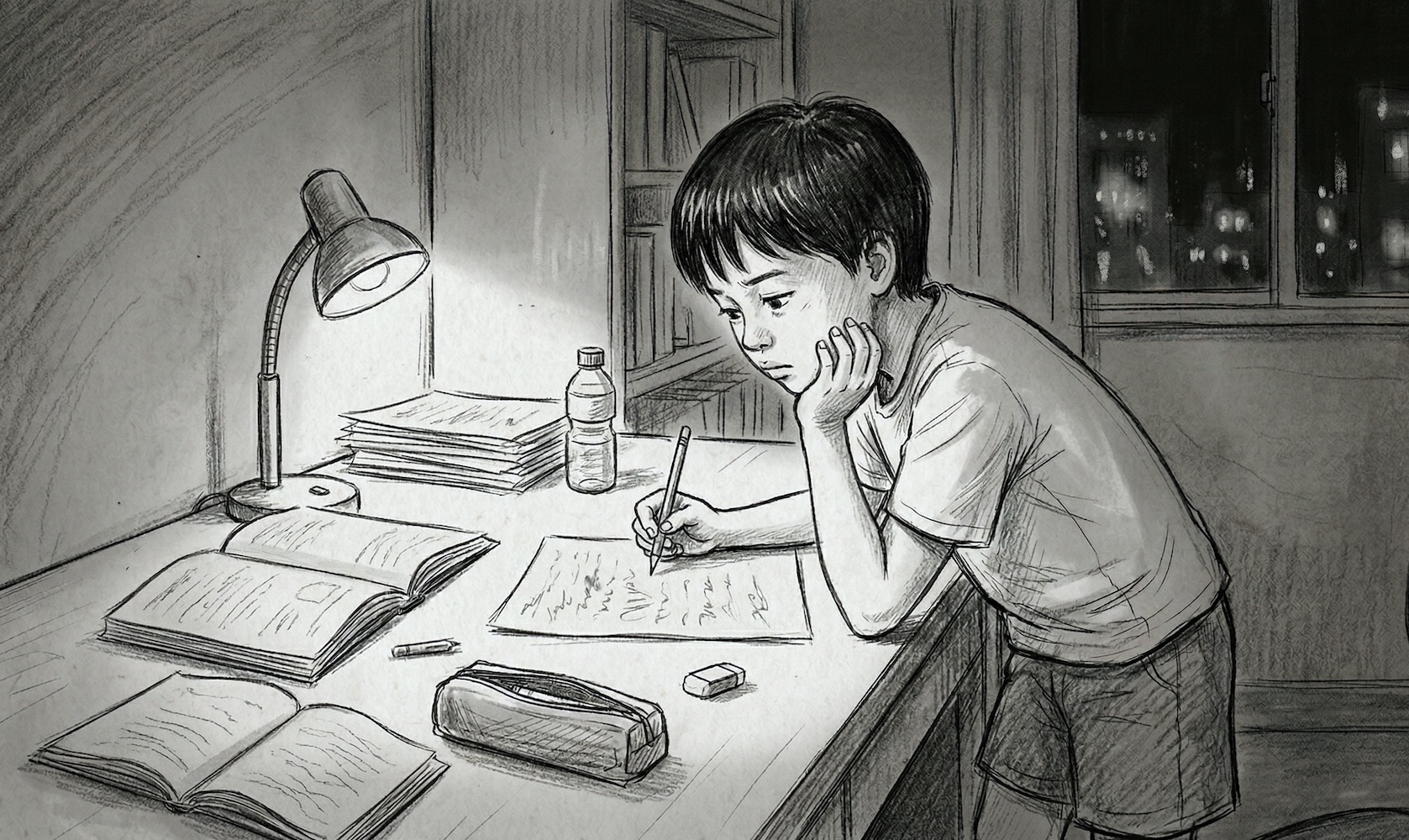
I can still see the grey smudge where the eraser nearly went through the paper. You're sitting at the dining table, the overhead light feels too bright, and your child is staring at a list of Chinese characters that might as well be ancient code. The tears aren't just falling; they're soaking into the very words they need to learn for tomorrow morning. I hear you. It feels like a personal failure when our evening ends in a sob instead of a story, but you're not alone in this quiet, heavy moment.
Why a Small List of Words Triggers a Big Emotional Storm
The pencil lead snapped. The tip skated across the wood, leaving a jagged mark that looked like a lightning bolt. It's rarely about the strokes of the character "bridge" or "responsibility." Usually, the day has already taken everything they had to give. By the time they reach the pavement outside the school gates and get home, their mental fuel tank is flashing red. Their little brains are trying to juggle the sound, the meaning, and the complex visual structure of characters all at once. It's a massive load. Then there's the weight of our expectations. Even if we don't say a word, they feel the tension in our shoulders when they miss a stroke for the third time. They want to please us. When they can't, the only thing left to do is cry.
The One Thing We Often Miss When the Eraser Comes Out
We often look at that list as a mountain to climb, a set of boxes to tick before we can finally rest. But what if we saw the tears as a signal instead of a hurdle? The struggle isn't a sign that they are "bad" at Chinese or that you are "failing" as a parent. It's a moment of connection that's gone a bit sideways. Consider the child's emotional readiness for learning. It reminded me that a brain in "fight or flight" mode can't actually memorise anything. If we shift our focus from the marks on the page to the heart across the table, the characters might just start to stick. The kitchen clock ticked far too loudly, the half-eaten fruit was mushy in the bowl, and the spelling list had become a damp, wrinkled mess of grey pencil lead and teardrops that wouldn't dry. It felt heavy.
How to Turn the Wednesday Battle into a Moment of Calm
I've found that breaking the routine helps. Sometimes we just need to move away from the desk.
1. Micro-Dose the Characters
Stop trying to finish the whole list in one sitting. We try doing two words before dinner and two words after. It feels less like a marathon and more like a quick skip. This keeps the frustration from building up into a giant wave that crashes at 9 PM.
2. Bring in the Senses
Ditch the paper for a bit. My seven-year-old daughter loves writing characters in a tray of salt or using a finger to trace them on my back. It turns a scary academic task into a game. The tactile feel helps the brain recognise the shapes without the pressure of a "correct" stroke on a permanent page.
3. The Connection First Rule
Before the books even come out, spend ten minutes just being together. No talk about school or homework. Just a biscuit and a chat about the funniest thing that happened during recess. When they feel "seen," they're much more willing to tackle the hard stuff with you.
4. Let the 10/10 Go
Sometimes, we just stop. If the tears start, the learning has finished. I've told my son's teacher before that we did our best but stopped for his well-being. Most teachers actually prefer a happy child who knows five words over a broken child who memorised ten but now hates the language. It's a deliberate choice for peace.
What Really Happens When the Grades Are Put Aside
The house is finally quiet now, and the spelling list is tucked into the school bag, still a bit wavy from the moisture. In ten years, they won't remember if they got a silver or a gold star on that specific Thursday morning. They will remember if the person they love most in the world was a safe place to land when things got hard. We think we're teaching them how to write; really, we're teaching them how to handle difficulty. Next time the pencil drops and the eyes well up, look at their hands instead of the paper. Are you building a scholar, or are you building a soul?