
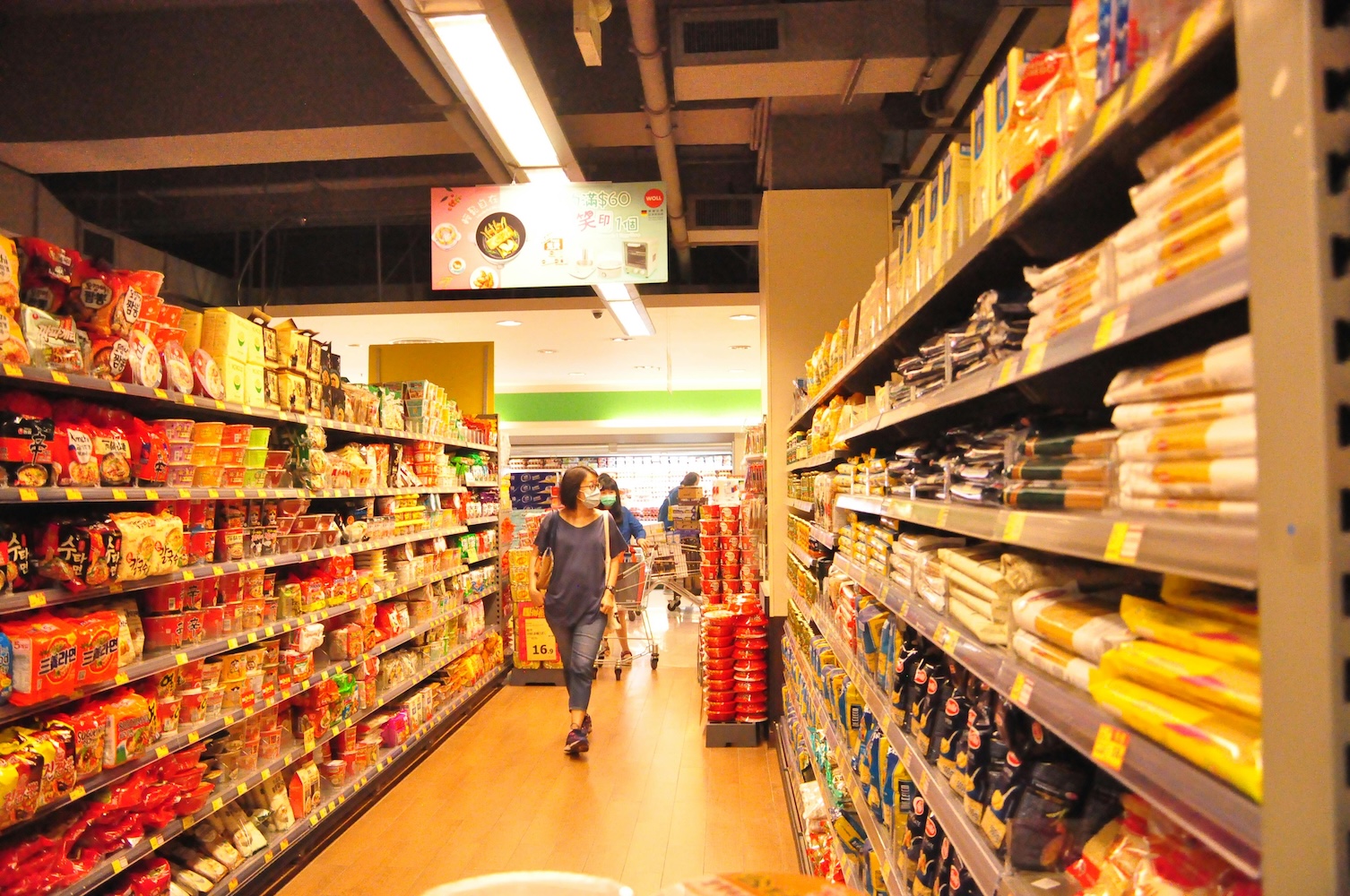
I totally get it. In Singapore, we are constantly bombarded with ads telling us that if we don't buy the "AAA-grade, organic" kale, we're somehow failing. But here's the wisdom: "best" doesn't always mean "most expensive." The main perspective we need is Value-Based Spending. Many house brands are made in the same factories as premium ones—they just skip the marketing budget. Optimising your spend is about being an efficient CFO of your home, not just being "cheap."
Quick Wins: Immediate Savings for Your Basket
You don't need a lifestyle overhaul to save today. Small, tactical shifts in how you pick items off the shelf can immediately lower your bill. These hacks are perfect for busy parents wanting instant results without complex budgeting.
1. Master the unit price comparison
Ignore the big font prices. Look at the tiny "Price per 100g" on the shelf labels. Often, "Family Packs" are actually more expensive per unit than individual bags. Checking the math ensures you aren't paying a premium for the illusion of bulk.
2. Swap your pantry staples for house brands
Basics like salt, sugar, flour, and dried pasta have negligible quality differences. Switching to brands like FairPrice, Meadows, or Giant for these essentials can shave 20-30% off your bill instantly without anyone noticing a difference in taste.
3. Download and use "Price Kaki"
Use the CASE Price Kaki app to compare prices of household essentials across supermarkets and neighbourhood provision shops. It's the easiest way to spot where the real deals are hiding just a few blocks away from your usual spot.
4. Time your "Last Hour" raids
Fresh produce and bakery items are often slashed by 50% or more after 8:00 PM. If you're cooking that night or the next morning, these clearance items are a goldmine. Just ensure you check quality and consume them promptly.
5. Maximise rebate and cashback cards
Ensure you're using a credit card or loyalty programme (like Trust) specifically geared for groceries. An 8% rebate on a $800 monthly spend is nearly $800 saved a year—essentially a free family staycation funded by your receipts.

The Long Game: Strategic Household Optimisation
Sustainability is about systems, not one-off deals. By shifting how you procure and store goods over months, you create lasting financial resilience. These strategies require slight planning but offer massive compounding savings for your family's future.
1. Invest in a warehouse club membership
If you have storage space, a membership to NTUC Warehouse Club or buying in bulk via RedMart drastically lowers costs for non-perishables like diapers and detergent. Think in six-month cycles to lock in the lowest possible price points.
2. Automate with "Subscribe & Save"
For recurring needs like milk powder or wipes, use subscription services on Amazon.sg or Lazada. You get a lower price and avoid "impulse buying" since you aren't walking through physical aisles where extra items tend to jump into your trolley.
3. The "Freezer First" meal planning
Frozen vegetables are often more nutritious and cheaper than "fresh" produce that has travelled for days. Planning meals around frozen staples reduces food waste—the biggest silent killer of your budget—while keeping your kitchen running efficiently.
4. Conduct "Blind Taste Tests" with the family
Serve a house-brand cereal versus a branded one in unmarked bowls. If the kids can't tell the difference, make the switch permanent. Most "brand loyalty" is just habit and clever packaging; breaking it saves hundreds annually.
5. Seasonal shopping over convenience
Learn the "off-peak" for regional fruits. Buying out-of-season produce in Singapore is a financial mistake. Stick to regional staples like papaya, bananas, and watermelon for a healthier wallet and a more sustainable lifestyle.
The "Ignore" List: Low ROI Habits to Stop
-
Organic "Thick-Skinned" ProduceDon't waste money on organic avocados, pineapples, or bananas. Their thick skins protect the edible parts from pesticides. Save your organic budget for "thin-skinned" items like strawberries or spinach where it actually matters.
-
Individual "Snack Packs"Tiny 20g packs for school lunchboxes carry a massive markup. Buy the large bag and spend two minutes portioning them into reusable containers yourself. It's better for the environment and significantly cheaper.
-
Driving across the island for one dealIf you're driving from Pasir Ris to Jurong just to save $5 on detergent, you've lost money on petrol and ERP. Only travel for massive bulk hauls that justify the time and transport costs.
-
Trendy "Superfoods"Local staples like kailan, ikan bilis, and eggs provide incredible nutrition at a fraction of the cost of chia seeds or quinoa. Don't fall for marketing that suggests health only comes from exotic imports.
-
Generic brands for safety-critical itemsWhile house brands are great for food, be cautious with generic electronics or skincare if your child has severe allergies. Some things are worth the R&D and testing of established brands for peace of mind.
A Reality Check
At the end of the day, no one gets a trophy for spending the most at the supermarket. Your children won't remember if their milk came from a gold-embossed carton or a plain white house-brand bottle—they will remember the time you spent playing with them because you weren't stressed about the bills. Be "kiasu" about your savings so you can be generous with your family's future. Financial freedom starts in the grocery aisle!
The Savvy Parent's Master Grocery Checklist
-
1. Price Kaki installed and updatedEnsure you have the latest version of the Price Kaki app to compare real-time heartland prices.
-
2. Unit pricing verified on current staplesI have checked that my most-bought items are truly cheaper in the size I'm purchasing.
-
3. Three house-brand swaps identifiedIdentify at least three pantry items to switch to FairPrice, Meadows, or Giant house brands this week.
-
4. High-interest/cashback card in handCheck that your current payment method offers at least 5% rebate on groceries.
-
5. Subscribe & Save activated for bulky itemsDiapers, wipes, and milk powder are set to auto-delivery for the maximum discount.
-
6. Freezer audit completed before shoppingKnow exactly what frozen staples you have to avoid overbuying "fresh" produce.
-
7. Regional fruit list stuck on the fridgePrioritise bananas, papayas, and pineapples over expensive air-flew temperate fruits.
-
8. Snack portioning containers readyReusable boxes are clean and ready to portion out bulk-bought biscuits or nuts.
-
9. Group buy Telegram channels joinedConnected with estate-based group buys for bulk-sourced fruit, eggs, or seafood.
-
10. Weekly grocery budget ceiling setA clear "do not exceed" number is established to prevent impulse checkout additions.