

- Part 1: Cyber-Safe Kids: A Singaporean Parent's Guide to Navigating the Online Gaming Playground — Strategic boundaries and using device-level parental controls.
- Part 2: 20 Popular Games & Their Wholesome Alternatives — Analysing addictive hooks and finding restorative, educational alternatives.
My daughters (now both school going) are growing up in a landscape where the "online playground" is as vivid as the grass at the local park. However, not all digital soil is meant for young seeds. Many of the most popular games today are like invasive vines; they are designed to take up every bit of mental space and attention they can find, often crowding out the restorative quiet our children need to thrive.
Curating our children's digital diet is an act of intentional living. It is not about a cold restriction or acting as a digital policeman, but rather about being a "mindful gardener" of their well-being. When we choose games that are wholesome and educational, we are providing them with tools for healing and discovery rather than just a hollow distraction. High-quality games can be a sanctuary for a child's imagination, offering them a space to build, think, and connect without the buzzy, dopamine-driven "hooks" that lead to irritability and digital fatigue.
The stakes are higher than we might realise. Current research shows that nearly half of our youths game every day, yet a significant communication gap exists; while many face in-game bullying, only a tiny minority feel they can tell us. By intentionally selecting games that foster "Positive Presence"—as championed by the MOE Cyber Wellness curriculum—we create an environment where technology respects our family's rhythm.
To help parents cultivate this intentional digital landscape, I have spent time auditing the twenty most popular titles currently capturing the attention of children across Singapore. By peeling back the layers of these games, we can see where the "hooks" lie and, more importantly, discover beautiful, restorative alternatives that align with our values of mindfulness and deep, quiet growth. Here is a curated guide to transitioning your child's digital world from a space of high-stress noise to one of healing and genuine curiosity.
1. Roblox
Roblox is often seen as a digital town square, but for a child, it can be an overwhelming sensory experience. Its primary detriment lies in its infinite, uncurated variety. Because anyone can create a game, quality and safety levels fluctuate wildly. It operates on a "what's next" loop that makes it nearly impossible for a young mind to find a natural stopping point. Furthermore, with 14% of young gamers interacting with strangers, the open-chat nature of Roblox lobbies remains a significant friction point for a parent's peace of mind.
- Hyper-stimulating infinite content loop.
- High risk of interaction with strangers in unmoderated lobbies.
- In-game "Robux" economy encourages early consumerist pressure.
Alternative to Roblox: Scratch (by MIT)
Scratch shifts the child from being a passive consumer to an active creator. Developed by the Lifelong Kindergarten Group at the MIT Media Lab, it allows children to code their own stories and games. Instead of navigating unpredictable social lobbies, they learn the logic of building their own digital world. It is intentional living applied to technology—teaching them that they have the agency to create beauty rather than just consume it.
- Teaches fundamental coding logic and creative thinking.
- Ad-free and strictly moderated for children.
- Focuses on logic over dopamine-driven loops.
| Official Website | scratch.mit.edu |
|---|---|
| YouTube Channel | @ScratchTeam |
| Wikipedia | Scratch (programming language) |
| Age Group Rating | Ages 8 to 16 (ScratchJr for ages 5 to 7) |
2. Minecraft (Survival Mode)
While Minecraft is often praised for creativity, its unstructured survival mode can become a heavy mental burden for young children. The lack of a clear end-game often results in children spending hours "grinding" for resources. For primary-age kids, this can lead to a loss of time boundaries and a heightened stress response when their hard work is destroyed by a "Creeper" or a stranger in a multiplayer server. It feels less like a game and more like a digital chore list.
- "Loss of time" effect due to lack of set goals.
- Emotional distress from progress loss (griefing).
- Open multiplayer servers can expose kids to toxic language.
Alternative to Minecraft: Dragon Quest Builders 2
Dragon Quest Builders 2 provides the same tactile joy of building and harvesting but wraps it in a gentle, guided narrative. It respects a child's time by providing clear goals and a restorative story about rebuilding a broken world. It offers a sense of accomplishment that feels grounded, preventing the "just one more block" spiral that Minecraft often triggers. It's like tending a garden with a clear purpose.
- Clear story structure prevents endless play.
- Encourages altruism by helping digital villagers.
- Beautiful, restorative art style and orchestral music.
| Official Website | Official DQB2 Site |
|---|---|
| YouTube Channel | @DragonQuest |
| Wikipedia | Dragon Quest Builders 2 |
| Age Group Rating | ESRB: E10+ (Everyone 10+) / PEGI: 7 |
3. Mobile Legends: Bang Bang (MLBB)
MLBB is a staple in the Singaporean schoolyard, but its high-intensity matches are designed to trigger constant adrenaline spikes. Each round is a fast-paced battle for status, often leading to "toxic" chat environments. For a young child, the social pressure to perform and the disappointment of a loss can be emotionally draining, leaving them irritable rather than rested. It lacks the "healing" nature we look for in our children's play.
- High adrenaline/stress levels in competitive play.
- High prevalence of "toxic" behavior in team chats.
- Compulsive daily login rewards create digital dependency.
Alternative to MLBB: Sky: Children of the Light

Sky replaces combat with non-verbal, altruistic connection. In this world, you progress by helping others and sharing "light." It is a stunning, meditative experience where social interactions are guided by kindness rather than competition. It is the digital equivalent of a quiet walk through a botanical garden—truly restorative for a child's nervous system and spirit.
- No combat; focus on flight, exploration, and music.
- Safe social interactions using gestures rather than text.
- Promotes a spirit of generosity and quiet collaboration.
| Official Website | thatskygame.com |
|---|---|
| YouTube Channel | @thatgamecompany |
| Wikipedia | Sky: Children of the Light |
| Age Group Rating | ESRB: E (Everyone) / PEGI: 7 |
4. Genshin Impact
While Genshin Impact offers a beautiful world, its heart is a "Gacha" mechanic—essentially a luck-based draw for characters that mimics gambling. This creates a powerful psychological urge in children to "collect them all," often tied to limited-time events that create artificial urgency. This tension is the opposite of the minimalism and peace we try to foster. It teaches children that satisfaction is always one "draw" away.
- Normalization of gambling mechanics (loot boxes).
- "Fear of Missing Out" (FOMO) driven by limited-time events.
- Requires significant daily time commitment to stay competitive.
Alternative to Genshin: The Legend of Zelda: Breath of the Wild
Breath of the Wild offers the same breathtaking exploration of a vast world but without the predatory financial hooks. It is a complete, offline experience that respects the player's intelligence. It encourages curiosity and experimental problem-solving (like using physics to cross a river) without ever asking for a credit card or a "daily login" check-in. It allows the mind to truly wander.
- Pure exploration and physics-based puzzle solving.
- Zero micro-transactions or predatory spending hooks.
- Encourages a slow, observant approach to the environment.
| Official Website | zelda.com/breath-of-the-wild |
|---|---|
| YouTube Channel | Nintendo |
| Wikipedia | The Legend of Zelda: BotW |
| Age Group Rating | ESRB: E10+ (Everyone 10+) / PEGI: 12 |
5. Brawl Stars
Brawl Stars is designed for "burst play," with three-minute rounds that provide instant, buzzy dopamine hits. While it feels harmless, the constant shower of "trophies" and rewards keeps a child's brain in a state of high arousal. It often results in a "just one more go" cycle that makes transitioning away from the screen—even for dinner—a source of conflict and friction. It is the digital equivalent of fast food.
- Addictive short-session dopamine loops.
- High pressure to win to avoid losing "trophies."
- Frustration-driven gameplay can lead to irritability.
Alternative to Brawl Stars: Mario Kart 8 Deluxe

Mario Kart shifts the energy from "solitary trophy chasing" to a shared family activity. It is the gold standard for "couch co-op," where parents and children play together in the same room. The competition is light-hearted and social, grounding the digital play in physical presence and shared laughter rather than a solo screen-addiction loop. It creates memories, not just high scores.
- Strengthens family bonds through shared, in-person play.
- Clear "cups" provide a natural stopping point for sessions.
- Highly accessible with steering assists for younger children.
| Official Website | mariokart8.nintendo.com |
|---|---|
| YouTube Channel | Nintendo |
| Wikipedia | Mario Kart 8 Deluxe |
| Age Group Rating | ESRB: E (Everyone) / PEGI: 3 |
6. Fortnite
Fortnite has evolved from a game into a hectic social pressure cooker. Its primary detriment for children under 16 is the pervasive "FOMO" (fear of missing out). Limited-time events and "battle pass" rewards create an artificial urgency to play every single day, often causing friction when it's time to turn off the screen. This mental clutter is the opposite of the minimalism we value at home. Additionally, the high-pressure "survival" loop can leave children feeling keyed up and restless long after the game ends.
- Strong "Fear of Missing Out" (FOMO) triggers.
- In-game purchases (V-Bucks) create consumerist pressure.
- Survival-based combat keeps the nervous system in high arousal.
Alternative to Fortnite: Splatoon 3
Splatoon 3 offers a creative and vibrant take on team competition. Instead of "eliminating" others to survive, the primary goal is to "ink" as much territory as possible. It replaces the high-stress violence of battle royale with a focus on teamwork and colour. It feels like a digital version of a messy art project—fun, social, and much more aligned with a mindful, positive presence in the digital world.
- Focuses on creative territory control rather than "killing."
- Short, 3-minute matches provide natural stopping points.
- Encourages a "playful" rather than "aggressive" mindset.
| Official Website | splatoon.nintendo.com |
|---|---|
| YouTube Channel | Nintendo |
| Wikipedia | Splatoon 3 |
| Age Group Rating | ESRB: E10+ (Everyone 10+) / PEGI: 7 |
7. Pokémon GO
While Pokémon GO encourages walking, it often gamifies nature play in a way that can be distracting for young minds. The constant "pings" of rare spawns or the need to visit "PokeStops" can turn a quiet walk through the Singapore Botanic Gardens into a frantic digital hunt. It pulls the child's eyes toward the glass instead of the greenery, disrupting the very connection to nature and stillness we are trying to nurture in an urban environment.
- Distracts from the actual sensory experience of nature.
- In-app notifications create a compulsive "check-in" habit.
- Safety risks from children walking while looking at screens.
Alternative to Pokémon GO: Seek by iNaturalist

Seek turns the smartphone into a powerful tool for biological discovery. It encourages children to point their camera at real plants, insects, and birds to identify them. It rewards curiosity about the real world, turning every walk into a restorative lesson in biodiversity. It is the perfect bridge between technology and our values of urban farming—collecting real knowledge instead of digital sprites.
- Encourages deep observation of real-world flora and fauna.
- Completely safe for children with no social features or data sharing.
- No predatory rewards; the "reward" is learning about nature.
| Official Website | inaturalist.org/seek |
|---|---|
| YouTube Channel | @iNaturalist |
| Wikipedia | iNaturalist (Seek App) |
| Age Group Rating | Ages 4+ (Designed for families) |
8. Free Fire
Free Fire is popular for its accessibility, but it shares the same high-stress physiological triggers as other survival shooters. It relies on a "survival of the fittest" mentality that keeps a child's nervous system in a state of "fight or flight." This chronic state of digital tension is the opposite of the restorative peace we want our homes to represent. It often leads to irritability and a lack of focus on "slower" real-world activities.
- High-intensity violence and combat themes.
- Predatory monetization through "loot crates."
- Maintains a high state of physiological arousal and stress.
Alternative to Free Fire: Ratchet & Clank: Rift Apart
Ratchet & Clank provides the "spectacle" and excitement of a high-end action movie but wraps it in a heartwarming story about friendship and overcoming odds. It is a single-player experience that allows the child to engage with high-quality action at their own pace. It offers a sense of wonder and cinematic "wow" without the toxic competitive stress of online lobbies. It is an investment in quality storytelling.
- Cinematic, heroic narrative that emphasizes friendship.
- Stunning visuals that feel like an interactive Pixar film.
- Single-player focus removes the risk of online bullying.
| Official Website | Official Ratchet & Clank Site |
|---|---|
| YouTube Channel | @PlayStation |
| Wikipedia | Ratchet & Clank: Rift Apart |
| Age Group Rating | ESRB: E10+ (Everyone 10+) / PEGI: 7 |
9. Stumble Guys
Stumble Guys may look "silly," but its hook lies in frantic "near-miss" psychology. Children often fail because of chaotic, unpredictable physics, which triggers an immediate urge to "retry." This can lead to a cycle of frustration and repetitive play that lacks depth or genuine skill-building. It is digital noise that over-stimulates the brain without providing true satisfaction or a sense of accomplishment.
- Frustration-driven gameplay loops.
- Encourages mindless, repetitive clicking and retrying.
- Strong push toward in-game cosmetic purchases.
Alternative to Stumble Guys: Human: Fall Flat
Human: Fall Flat uses similar "wobbly" physics but turns it into a slow, cooperative puzzle game. Instead of racing against others, children work together (often with a sibling or parent) to figure out how to navigate a level. It rewards creative thinking and patience over frantic clicking. It is a "zen" approach to physics that often results in shared laughter rather than competitive frustration.
- Encourages collaborative problem-solving and communication.
- Slow-paced, meditative, and humorous.
- No competitive pressure; progress is about experimentation.
| Official Website | humanfallflat.com |
|---|---|
| YouTube Channel | @CurveGames |
| Wikipedia | Human: Fall Flat |
| Age Group Rating | ESRB: E (Everyone) / PEGI: 3 |
10. Honor of Kings
Honor of Kings is another high-stakes MOBA that demands significant time and mental investment to maintain rank. The social pressure in the Singaporean student community to be a "high tier" player can be immense. This turns gaming into a "second job" for the child, causing friction with the stillness and intentional living we try to maintain. It leaves little room for the "mindful gaps" that allow a child's imagination to wander and heal.
- Intense social pressure to maintain ranking.
- Highly time-consuming, leading to screen-time conflict.
- Competitive nature can foster a hostile social environment.
Alternative to Honor of Kings: ChessKid (by Chess.com)
ChessKid takes the strategic depth of a MOBA and translates it into the timeless format of Chess. It builds the same strategic foresight and patience but in a structured, quiet environment designed specifically for kids. There are no high-adrenaline "pings" or toxic lobbies—only the calm challenge of outthinking an opponent. It is a mental discipline that respects the child's well-being and builds a legacy of critical thinking.
- Develops logic, patience, and strategic thinking.
- Completely safe, moderated environment for young players.
- Fosters a "growth mindset" through quiet concentration.
| Official Website | chesskid.com |
|---|---|
| YouTube Channel | @ChessKidOfficial |
| Wikipedia | ChessKid (via Chess.com) |
| Age Group Rating | Ages 4 to 13 (Kid-Safe Environment) |
11. PUBG Mobile
PUBG Mobile is a cultural giant, but its "survival of the fittest" intensity is often too much for a child's developing nervous system. The game relies on a high-stakes "combat or die" loop that triggers a constant physiological stress response. For a young player, this "excitement" is actually a state of high arousal that can lead to sleep disruption and a short temper. It replaces the restorative peace of home with a digital battlefield that never truly sleeps.
- Intense, high-stress survival combat.
- Voice chat lobbies often contain unmoderated, toxic language.
- Addictive "rank" systems that demand daily high-stakes play.
Alternative to PUBG Mobile: Portal 2

Portal 2 shifts the focus from "surviving others" to solving brilliant logic puzzles. Instead of high-speed combat, children use a "portal gun" to navigate through spatial challenges. It encourages deep, analytical thinking and patience. When played in its "co-op" mode, it becomes a beautiful exercise in communication and trust between two people. It is the digital equivalent of a complex, rewarding jigsaw puzzle.
- Focuses on physics, logic, and creative problem-solving.
- Incredible writing and humour that respect the child's intelligence.
- Cooperative mode fosters genuine teamwork and bonding.
| Official Website | thinkwithportals.com |
|---|---|
| YouTube Channel | @Valve |
| Wikipedia | Portal 2 |
| Age Group Rating | ESRB: E10+ (Everyone 10+) / PEGI: 12 |
12. Among Us
Among Us became a sensation for its social deduction, but it relies heavily on suspicion and the "anonymous" chat. For younger children, the gameplay revolves around lying to friends and identifying "imposters," which can sometimes spill over into real-world distrust or schoolyard arguments. Because many kids play in open lobbies, they are also exposed to the 14% risk of interacting with strangers in a setting where "deception" is the primary goal.
- Gameplay loop is built on deception and suspicion.
- Unmoderated text chat in public lobbies is a safety risk.
- Can cause emotional friction among groups of friends.
Alternative to Among Us: Keep Talking and Nobody Explodes
This game takes the thrill of social communication and turns it into a pure exercise in teamwork. One person "sees" a digital bomb on the screen, while the others have a physical (or PDF) manual to help defuse it. They must talk to each other to solve the puzzles. It is brilliant because it happens in the room. It builds verbal communication, listening skills, and trust, removing the digital veil of anonymity and replacing it with real connection.
- Encourages clear, precise verbal communication.
- Requires "face-to-face" social interaction and teamwork.
- Thrilling and fun without the negative "imposter" social dynamic.
| Official Website | keeptalkinggame.com |
|---|---|
| Wikipedia | Keep Talking and Nobody Explodes |
| Age Group Rating | ESRB: E10+ (Everyone 10+) / PEGI: 3 |
13. Call of Duty: Mobile
Call of Duty: Mobile is a masterclass in habit-forming digital design. It uses "prestige" systems, daily login streaks, and a constant stream of "notifications" to ensure the child feels they must check in several times a day. Beyond the realistic military violence, it creates a mental dependency on the game for "achievement." This constant "pinging" for attention is the thief of the "mindful gaps" our children need to simply be bored and creative.
- Realistic violence and mature military themes.
- Aggressive habit-forming notifications and login rewards.
- High-speed combat can lead to significant post-game irritability.
Alternative to Call of Duty: Snipperclips
Snipperclips is a calm, cooperative puzzle game that requires two children to literally "cut" each other into different shapes to solve tasks. It is slow, thoughtful, and incredibly social. Instead of competing to see who has the fastest reaction time, children must stop, look at the screen, and talk through a solution. It replaces the "high-speed" military buzz with the "slow" satisfaction of collaborative success.
- Focuses on creative shapes, physics, and cooperation.
- Teaches the value of "thinking before doing."
- Results in shared laughter rather than competitive stress.
| Official Website | Official Snipperclips Site |
|---|---|
| YouTube Channel | Nintendo |
| Wikipedia | Snipperclips |
| Age Group Rating | ESRB: E (Everyone) / PEGI: 3 |
14. Candy Crush Saga
Candy Crush is often seen as "innocent," but it is built on pure sensory "juice" and artificial scarcity. The bright colours, "tasty" sounds, and satisfying explosions provide low-level dopamine hits that can make real-world tasks feel dull by comparison. By limiting "lives" and then offering more for a price (or a wait), it creates a psychological obsession with a scarce resource. It is a "buzzy" experience that over-stimulates the brain without ever truly nourishing it.
- Addictive "dopamine-loop" game design.
- Artificial scarcity (lives) creates a compulsive play habit.
- Provides zero depth or skill-building beyond pattern matching.
Alternative to Candy Crush: Monument Valley

Monument Valley replaces the "buzzy" sugar-rush with a meditative, artistic experience. It is a silent puzzle game where you manipulate beautiful, "impossible" architecture to guide a princess. There are no timers, no lives to buy, and no loud explosions. It encourages a state of "zen" focus and an appreciation for geometry and perspective. It is a digital sanctuary for a child's mind.
- Breathtaking, restorative art and atmospheric music.
- Encourages quiet, thoughtful observation and geometry.
- A complete, self-contained story with no addictive "hooks."
| Official Website | monumentvalleygame.com |
|---|---|
| YouTube Channel | @ustwoGames |
| Wikipedia | Monument Valley |
| Age Group Rating | ESRB: E (Everyone) / PEGI: 3 |
15. Hay Day
Hay Day taps into the peacefulness of farming, but it uses predatory "waiting timers" to bring the child back to the screen repeatedly. Crops take real-world time to grow, and the game sends a "ping" the moment they are ready. This "appointment gaming" interrupts the natural flow of a child's day—homework, family dinner, or nature play are all secondary to the digital harvest. It is a "thief of presence" that values the game's clock over the family's clock.
- Interrupts the child's daily rhythm with "appointment" pings.
- Normalizes the idea that digital tasks are more urgent than real-life ones.
- Encourages small, frequent micro-transactions to "speed up" time.
Alternative to Hay Day: Stardew Valley
Stardew Valley is the "gold standard" of wholesome gaming. It teaches the genuine values of farming—seasonality, patience, and community—without the "pings" to return. The child can play as much or as little as they want, and the game world only moves forward when they choose to play. It respects their time and encourages a "slow," intentional approach to both digital and real-world growth. It's a true digital garden.
- Teaches patience, resource management, and social kindness.
- Respects the child's real-world time (no "waiting timers").
- Rich, restorative soundtrack and deep, rewarding gameplay.
| Official Website | stardewvalley.net |
|---|---|
| YouTube Channel | @ConcernedApe |
| Wikipedia | Stardew Valley |
| Age Group Rating | ESRB: E10+ (Everyone 10+) / PEGI: 7 |
16. Subway Surfers
Subway Surfers is the ultimate "endless runner," but its detriment lies in its constant, hollow dopamine loop. There is no finish line, only a never-ending series of obstacles that demand twitch reactions. This provides a buzzy, low-level stimulation that can make real-world tasks—like reading a book or finishing homework—feel incredibly dull and slow by comparison. It trains the brain to crave a constant "high" without ever providing a sense of completion or rest.
- Promotes a shortened attention span through "endless" play.
- High frequency of "near-miss" triggers that encourage obsessive play.
- Aggressive ad-driven model that interrupts the child's focus.
Alternative to Subway Surfers: Alto's Adventure
Alto's Adventure offers a "zen" flow state that is genuinely restorative. While it is also a runner, it replaces the frantic, urban noise with beautiful mountain landscapes, falling snow, and a hauntingly beautiful soundtrack. It encourages a state of mindful focus rather than frantic reaction. It is a quiet break for the mind, allowing the child to feel refreshed rather than over-stimulated after a session.
- Breathtaking, minimalist art style and atmospheric music.
- Encourages a calm "flow" state rather than frantic stress.
- Includes a "Zen Mode" with no scores or game-overs.
| Official Website | altosadventure.com |
|---|---|
| Wikipedia | Alto's Adventure |
| Age Group Rating | ESRB: E (Everyone) / PEGI: 3 |
17. Toca Life World
Toca Life World is a digital dollhouse that encourages open play, but its detriment is the endless push for paid expansions. The game frequently shows children "locked" areas and characters that require real-money purchases. This creates a recurring desire for the "new" and can lead to consumerist pressure in very young children. It shifts the focus from imaginative play to what they don't yet own, creating a subtle dissatisfaction with their current "garden."
- Heavy focus on in-app purchases to unlock "fun" content.
- Can create a "spoilt for choice" paralysis in younger minds.
- Normalizes the idea that digital satisfaction is tied to spending.
Alternative to Toca Life World: Endless Alphabet
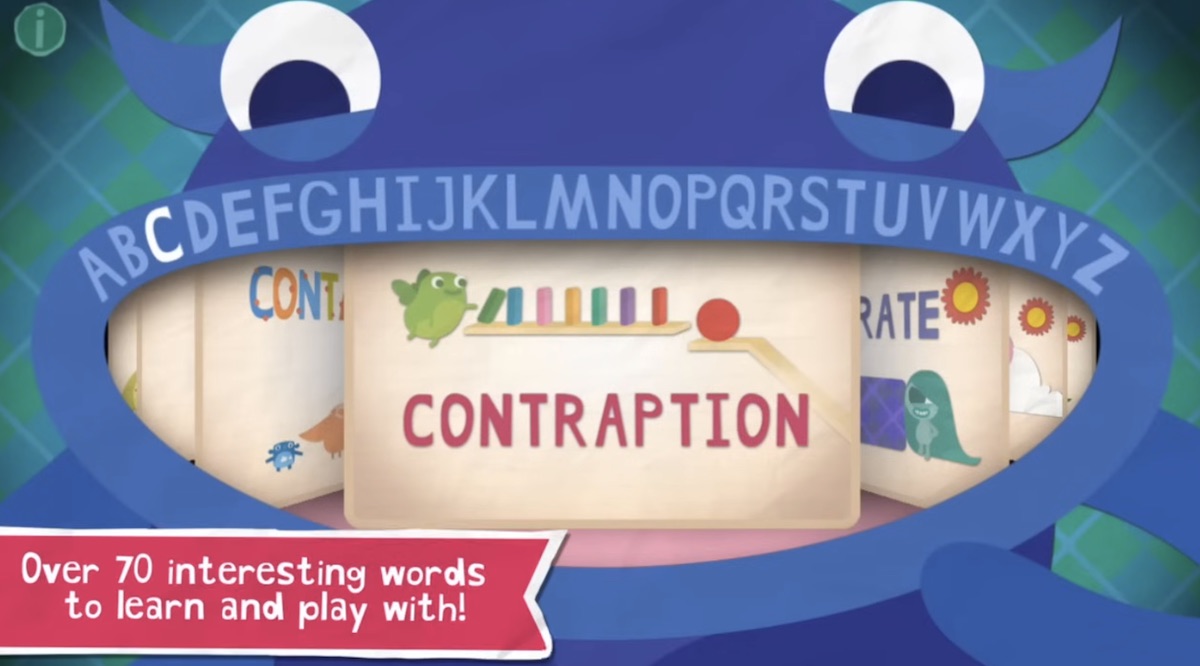
Endless Alphabet encourages the same tactile and imaginative play but weaves in fundamental literacy skills in a way that feels like a gift. Children move "living letters" to complete puzzles, and each word is followed by a delightful animation explaining its meaning. It is a complete, ad-free experience that rewards curiosity with knowledge rather than asking for another dollar. It is the definition of restorative education.
- Builds robust vocabulary and phonics through play.
- Ad-free, safe, and completely self-contained.
- Delightful animations that explain complex words simply.
| Official Website | originatorkids.com/endless-alphabet/ |
|---|---|
| YouTube Channel | @originatorkids5214 |
| Age Group Rating | Ages 4+ (Designed for Early Learners) |
18. Eggy Party
Eggy Party is a newer social trend in Singapore that combines party games with a "cute" aesthetic, but it carries the risk of unmoderated social interaction. Because it is built as a massive social hub, younger children are often in close digital proximity to strangers. Much like Roblox, the "party" can quickly turn into a source of bullying or unwanted attention. It is a "loud" social environment that can be difficult for a child to navigate safely without constant parental oversight.
- High risk of interaction with strangers in social hubs.
- Heavy emphasis on "limited edition" skins and FOMO.
- Can become a "time-sink" with its endless social features.
Alternative to Eggy Party: Fall Guys (Local/Shared Play)
Fall Guys offers the same chaotic, physics-based fun but is best enjoyed as a "couch" game with family. By playing in a "local" party or a private lobby, you remove the risk of strangers while keeping the shared laughter. It allows the social aspect to be grounded in the home, where you can hear the laughter (and the occasional shriek of frustration) directly. It turns a risky social experience into a safe family bond.
- Pure, silly physics-based fun for all ages.
- When played locally, it's a safe, bonding family activity.
- Strong emphasis on "playfulness" over "winning at all costs."
| Official Website | fallguys.com |
|---|---|
| YouTube Channel | @FallGuys |
| Wikipedia | Fall Guys |
| Age Group Rating | ESRB: E (Everyone) / PEGI: 3 |
19. Clash Royale
Clash Royale is a real-time strategy game that rewards fast reactions and a "buzzy" mental state. Its primary detriment is the "chest" system, which uses real-world timers to keep the child tethered to the app. Opening a chest feels like a mini-event, drawing the child back several times a day. This "appointment gaming" interrupts the restorative stillness of home life, training the brain to prioritize a digital timer over real-world presence.
- Uses real-world timers to create a compulsive check-in habit.
- Competitive "ladder" system can cause high levels of frustration.
- Encourages "pay-to-win" mechanics that reward spending over skill.
Alternative to Clash Royale: Dicey Dungeons
Dicey Dungeons takes the strategic fun of card-battling and turns it into a colourful, mathematical puzzle. It is a single-player experience that allows the child to think deeply at their own pace. There are no timers, no chests to wait for, and no "ladder" pressure. It rewards logic and calculation, making it a great way to sneak in some mental maths while they play. It respects the child's time and mental well-being.
- Develops mathematical thinking and strategic planning.
- Vibrant, quirky art style and no competitive stress.
- Self-contained gameplay with no addictive "waiting" hooks.
| Official Website | diceydungeons.com |
|---|---|
| Wikipedia | Dicey Dungeons |
| Age Group Rating | ESRB: E (Everyone) / PEGI: 7 |
20. Animal Crossing: Pocket Camp
Animal Crossing: Pocket Camp looks like a peaceful garden, but its mobile design relies on constant pings and repetitive tasks. It uses timers for building furniture and requires frequent "check-ins" to maintain relationships with digital characters. For a young mind, this can turn "relaxation" into a digital chore. It values the app's schedule over the child's, which is the opposite of the intentional rhythm we try to maintain at home.
- Timer-based gameplay creates a compulsive "checking" habit.
- Mobile "premium currency" (Leaf Tickets) encourages spending.
- Repetitive tasks can feel like a digital job rather than play.
Alternative to Animal Crossing: Pocket Camp: Animal Crossing: New Horizons

The console version of Animal Crossing is the purest form of a restorative digital garden. It follows the real-world clock, encouraging a slow, daily rhythm. There are no timers to skip and no "premium" currencies to buy. It respects the child's time and encourages them to play for a little while each day—perhaps to water their digital flowers or talk to a neighbour—before returning to the real world. It is a digital sanctuary that encourages patience and gentle growth.
- Encourages a slow, daily rhythm that respects real-world time.
- No predatory micro-transactions or "waiting" pings.
- Deeply creative, allowing children to build their own peaceful island.
| Official Website | Official New Horizons Site |
|---|---|
| YouTube Channel | Nintendo |
| Wikipedia | A.C. New Horizons |
| Age Group Rating | ESRB: E (Everyone) / PEGI: 3 |
Understanding Game Ratings
When we look at the back of a game box or the "information" tab on a download page, those little icons with letters and numbers can feel like a foreign language. However, understanding these age ratings is like reading the label on a bag of fertiliser—it tells us exactly what kind of environment we are introducing to our children's digital soil. These ratings, provided by bodies like the ESRB (North America) and PEGI (Europe/Singapore), help us maintain a "mindful" boundary between age-appropriate discovery and mature themes that our kids might not be ready to process.
| Rating Icon | Classification | What it Means for Your Child |
|---|---|---|
| E / PEGI 3 | Everyone | Considered "clean" soil. Suitable for all ages. Content is generally restorative, containing minimal cartoon violence and no "loud" or scary themes. |
| PEGI 7 | Everyone 7+ | Mostly gentle, but may contain very mild "fantasy" violence (like a character disappearing in a puff of smoke) or slightly spooky sounds that might startle a younger toddler. |
| E10+ | Everyone 10+ | A transition stage. May include more frequent cartoon violence, mild language, or slightly more "buzzy" competitive themes that require a parent's intentional presence. |
| T / PEGI 12 | Teen | The digital world begins to grow more complex. May include realistic violence, suggestive themes, or infrequent "strong" language. This is where many "lobby-based" games sit. |
| M / PEGI 16+ | Mature | Highly invasive for a young mind. Content often includes realistic blood, intense violence, and strong language. Generally unsuitable for the "sanctuary" environment we want for our kids. |
While these ratings are a helpful guide, remember that they don't always account for the 14% risk of interacting with strangers in online chat rooms. I've found that even an "Everyone" rated game can feel "loud" if the social lobby is unmoderated. Always pair these ratings with your own intuition and the "one-hour" recreational screen-time limit suggested by HealthHub to ensure your child's digital rhythm remains healing and grounded.