Making co-parenting communication work involves shifting from emotional reactivity to restorative focus. By using digital boundaries, maintaining consistent routines, and removing the children from the middle of disputes, parents can create a stable environment that supports their children's long-term mental well-being and growth.
"Did you check the app for the swimming lesson time?" I asked, my voice as level as I could manage. The reply was short: "Got it." It wasn't warm, but it wasn't a fight. That's a win in my book.

Peace is not the absence of noise, but the decision to be still in the middle of it.
Moving the logistics to a digital sanctuary
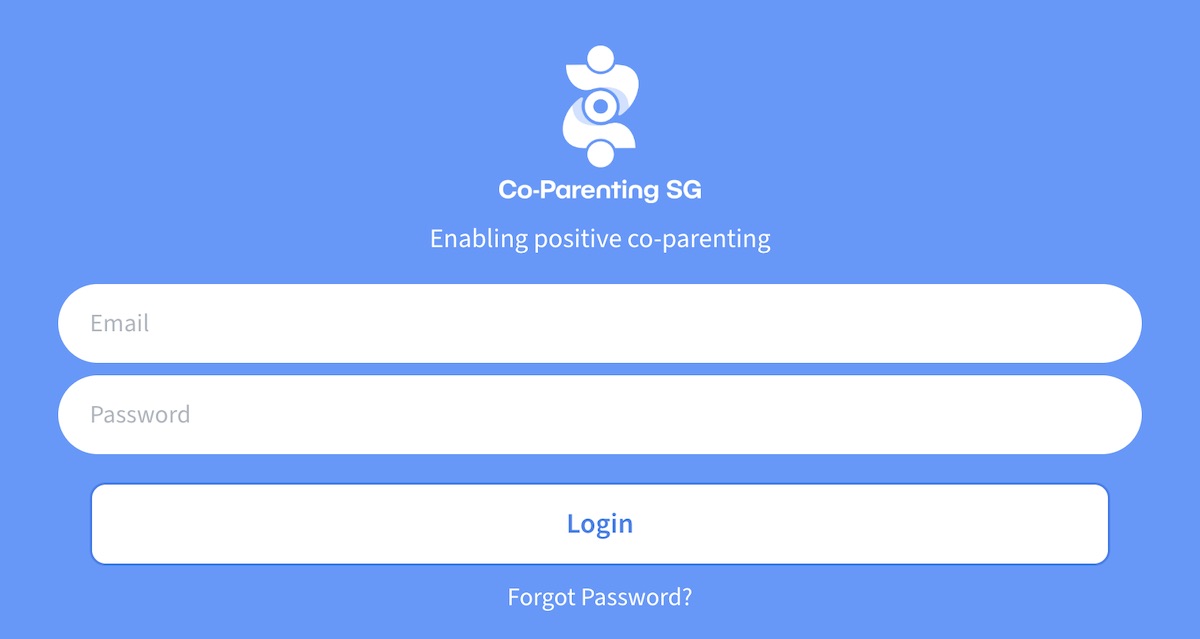
I used to dread the "ping" of a text message. It felt like an intrusion into my restorative space. But then I read about the CoParentingSG app which launched last year. It was a bit of a lightbulb moment. By moving things like expense tracking and schedules to a dedicated app, we stop the logistics from bleeding into our personal lives. It's about creating a digital fence.
But getting the other person to actually use the app and actively? That's the hard part. It took three months of me gently redirecting every "How much was the dentist?" text back to the app before it finally stuck. Now, when I'm out with the girls, I don't have to worry about a sudden argument over a receipt popping up on my home screen. I just log it later and keep my focus on the present with the kids.

Finding the rhythm in parallel lives
There is a common myth that co-parenting only works if you are "best friends" or if your homes are carbon copies of each other. But parallel co-parenting exists for a reason—it is a protective boundary when the friction is simply too high for joint decision-making. Specifically, in this setup, you aren't trying to align the rules between houses. You are trying to make each house a predictable island. If one parent lets them stay up until 10 PM and I insist on 7 PM, trying to force a "shared" routine often just leads to more fighting, which hurts the kids more than the late bedtime ever would.
I have seen this with my daughters. The MSF Family Assist portal mentions that consistent routines give children safety, but when you are parenting in parallel, that consistency is internal. It is about the girls knowing that the second they walk through my door, the "quiet rhythm" begins. The rules here are the rules here. They don't have to wonder which version of me they are going to get, even if the world at their other house is totally different. It is about the stability of the environment I can control, rather than the stress of fighting for control over the one I can't.
The greatest gift we can give our children is a childhood that doesn't require a recovery period.
Protecting the messenger from the message
Triangulation. That is the clinical term for it, but in the heat of a humid afternoon at East Coast Park, it just looks like a child's face falling. When we pass a message through a nine-year-old, we aren't just saving ourselves a difficult phone call. We are forcing them to step into an adult's arena. It creates a split loyalty where the child feels they must manage their parents' moods. It turns their childhood into a series of strategic negotiations. The weight of it is invisible, but it is there. I see it in the way a child might hesitate before speaking, or how they carefully choose their words to avoid upsetting the other side.
The article on SingaporeMotherhood hits the nail on the head regarding the invisible load children carry. It's not just about the words said, but the tension behind them. My girls are perceptive. They can sense the energy of a request even if it is about something as simple as a school form. By using them as a conduit, we disrupt their play and their sense of being "just a kid." We are essentially asking them to hold a heavy, jagged rock that belongs in our garden, not theirs. It adds a layer of mental stress that can lead to long-term resentment, as they realise they were used as tools rather than being treated as children who need protection.
"Can you ask your dad about the science project?" No. I caught myself before the words left my mouth last Tuesday. I stopped, took a breath, and told my daughter to go back to her drawing. Instead of using her, I wait for the stillness of the night. My adjustment is the "Night-time Rule." If I have something to say, I wait until the kids are tucked in and I am sitting on my sofa, away from the day's noise. It requires me to sit with my frustration for a few hours, watching the shadows of the rain trees lengthen across the pavement while I try to separate my personal hurt from the logistical needs of two growing girls. It is hard. It is a form of emotional minimalism—keeping the clutter of my feelings away from their restorative space. The silence. The relief. The focus. It works.
Leaning into the mandatory learning
The Mandatory Co-Parenting Programme (CPP) might feel like a box to tick, but there is real logic in its structure. It is not just a lecture; it is a framework that forces us to look at the long-term impact of our conflict on a child's brain development and emotional security. MSF points out that joint decisions lead to fewer behavioural problems and better school learning. The programme basically acts as a mirror, showing us how our friction directly stalls our children's progress. It provides the "why" when the "how" feels too exhausting to manage.
I struggle with this sometimes. I want to be the one who decides everything, especially with my interest in nature play and intentional living. But I have to let go of that control. The CPP helped me realise that a child who feels caught in a tug-of-war cannot focus on learning or playing. They are too busy being on guard. By attending to the lessons in the programme, I learned to value the "legacy" of my children's mental health over my own need to be right. It is about their future, not my ego.
If you stopped being the bridge, would your children still know how to cross to the other side safely?
And if you're struggling with the digital shift, try setting a specific "admin time" once a week to handle all the co-parenting messages. It keeps the rest of your week clear for the things that grow.