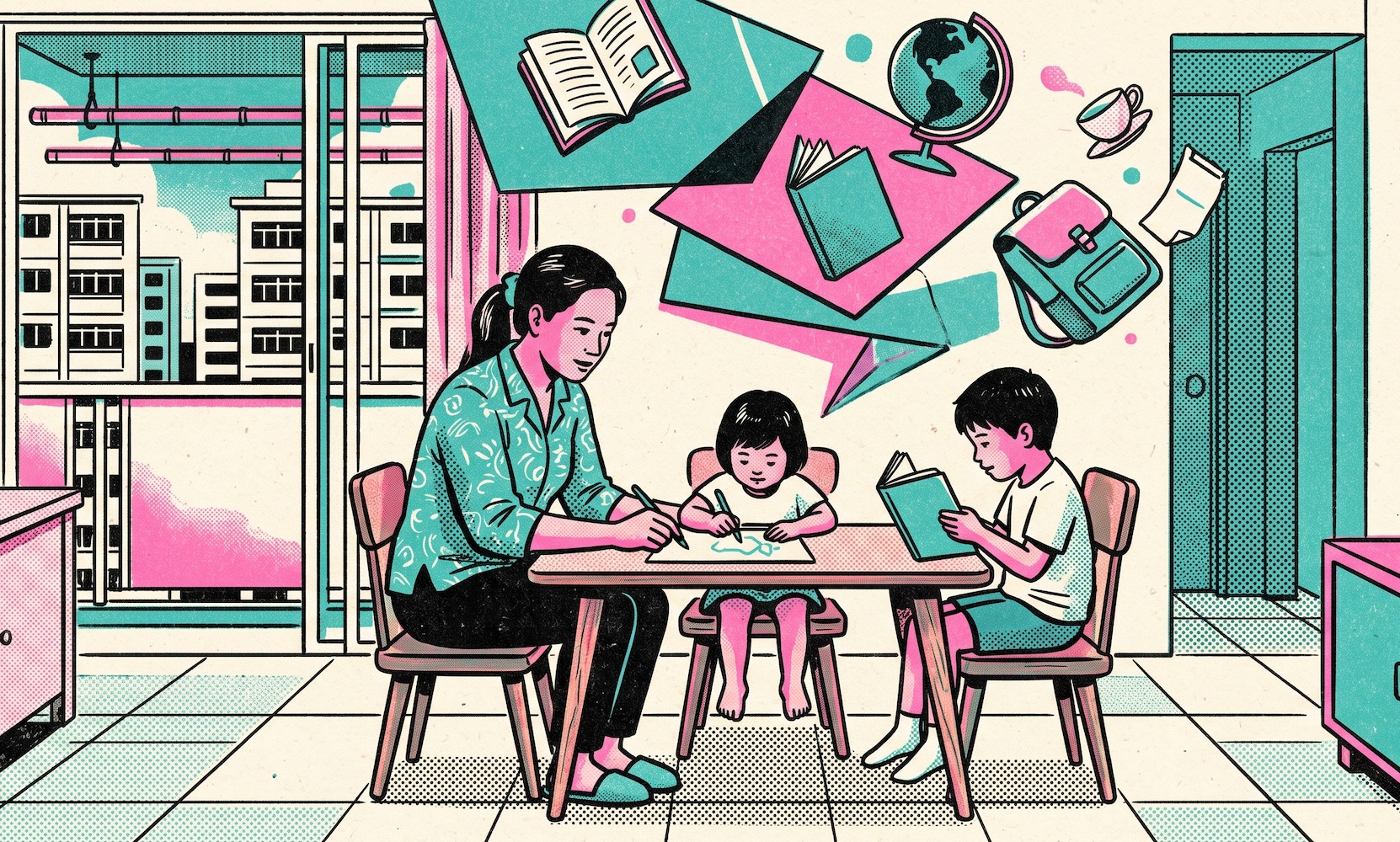
A respectful home starts with how we treat those who care for us. Establish these 20 rules to ensure your children show gratitude and follow instructions from helpers and secondary caregivers.
In many Singaporean households, the domestic helper or secondary caregiver is the backbone of the daily routine. These rules are designed to ensure that the relationship between your children and their caregivers is built on a foundation of mutual respect, clear authority, and gratitude.
Caregivers & Helpers: The Top 5 Core Anchor Rules
Respect is non-negotiable. These five "anchors" ensure that children understand the authority of the caregiver and the importance of treating every member of the household with dignity.
#1: The Authority Rule ⚖
When parents are not home, the caregiver's instructions are final. Children must follow their lead on timing, safety, and discipline as they would a parent.
#2: You Are Not the Boss 🚫
Children are never allowed to give "orders" or "boss around" a helper. Requests must be made politely, and the caregiver is not a servant to the child.
#3: Mandatory Manners 🙏
"Please" and "Thank You" are required for every interaction, whether it's being served a meal, having laundry folded, or being picked up from school.
#4: No "Parent Shopping" 🛍
If a caregiver says "No" to a request (like a snack or extra screen time), the child is not allowed to ask the parent for a different answer.
#5: Speak with Respect 🗣
Shouting at, mocking, or using a rude tone with a caregiver is strictly forbidden. We speak to everyone in our home with a calm, gentle voice.
Following Instructions
Efficiency in the home relies on cooperation. These rules help children understand that the caregiver's role is to keep the household running smoothly and safely.
#6: The First-Time Rule 🔔
Children should respond to a caregiver's first request. Ignoring them or waiting for a parent to intervene is not acceptable.
#7: Safety Boundaries 🚧
If a caregiver sets a safety rule at the playground or pool, the child must obey immediately without negotiation.
#8: Routine Adherence ⏰
Children must follow the schedule set by the caregiver regarding nap times, homework hours, and meal intervals.
#9: Reporting Truthfully 📖
If a parent asks how the day went, the child must be honest about their behavior and any instructions they were given.
Self-Reliance & Teamwork
Having a helper does not mean a child stops being responsible for themselves. These rules prevent entitlement and foster independent life skills.
#10: Clean Your Own Mess 🧼
Children are still responsible for their own "Personal Chores," such as putting toys away and placing dirty laundry in the bin.
#11: The "Helper, Not Hired Hand" 🤝
If the caregiver is carrying heavy groceries or cleaning a large area, children should offer a small way to help where age-appropriate.
#12: Plate Clearing 🍽
After a meal, the child should bring their own dishes to the sink rather than leaving them on the table for the helper.
#13: Prep Your Own Bag 🎒
While a caregiver may help, the child is responsible for ensuring their school bag and water bottle are ready for the day.
Boundaries & Personal Space
Everyone in the home needs their own space and time. These rules teach children to respect the privacy and well-being of the person caring for them.
#14: Respecting "Off" Time 💤
During the caregiver's rest hours or days off, children must not disturb them with non-emergency requests.
#15: Private Room Boundary 🚪
A caregiver's room is their private space. Children must never enter without explicit permission and an invitation.
#16: Phone Privacy 📱
Children are not allowed to touch or use the caregiver's personal mobile phone or belongings.
#17: Personal Time Sensitivity ⏳
If a caregiver is on a video call with their own family, children should keep their distance and allow them that private time.
Conflict & Gratitude
Fostering a positive emotional connection ensures a happy household. These rules guide children on how to handle disagreements and show appreciation.
#18: Proper Complaint Channel 👂
If a child feels a caregiver was unfair, they should discuss it calmly with a parent later rather than arguing in the moment.
#19: Affirmation & Kindness ❤
Encourage children to draw cards or say something kind to the caregiver on their birthday or special occasions.
#20: The "Final Sign-Off" 👋
When the caregiver leaves for the day or when the child goes to bed, a polite "Goodnight" or "Thank you for today" is mandatory.
Master Every Situation
Setting boundaries doesn't stop here. From hawker centres to screen time, explore our full collection of situational rules designed for Singaporean families.
See All Family Rules & Routines