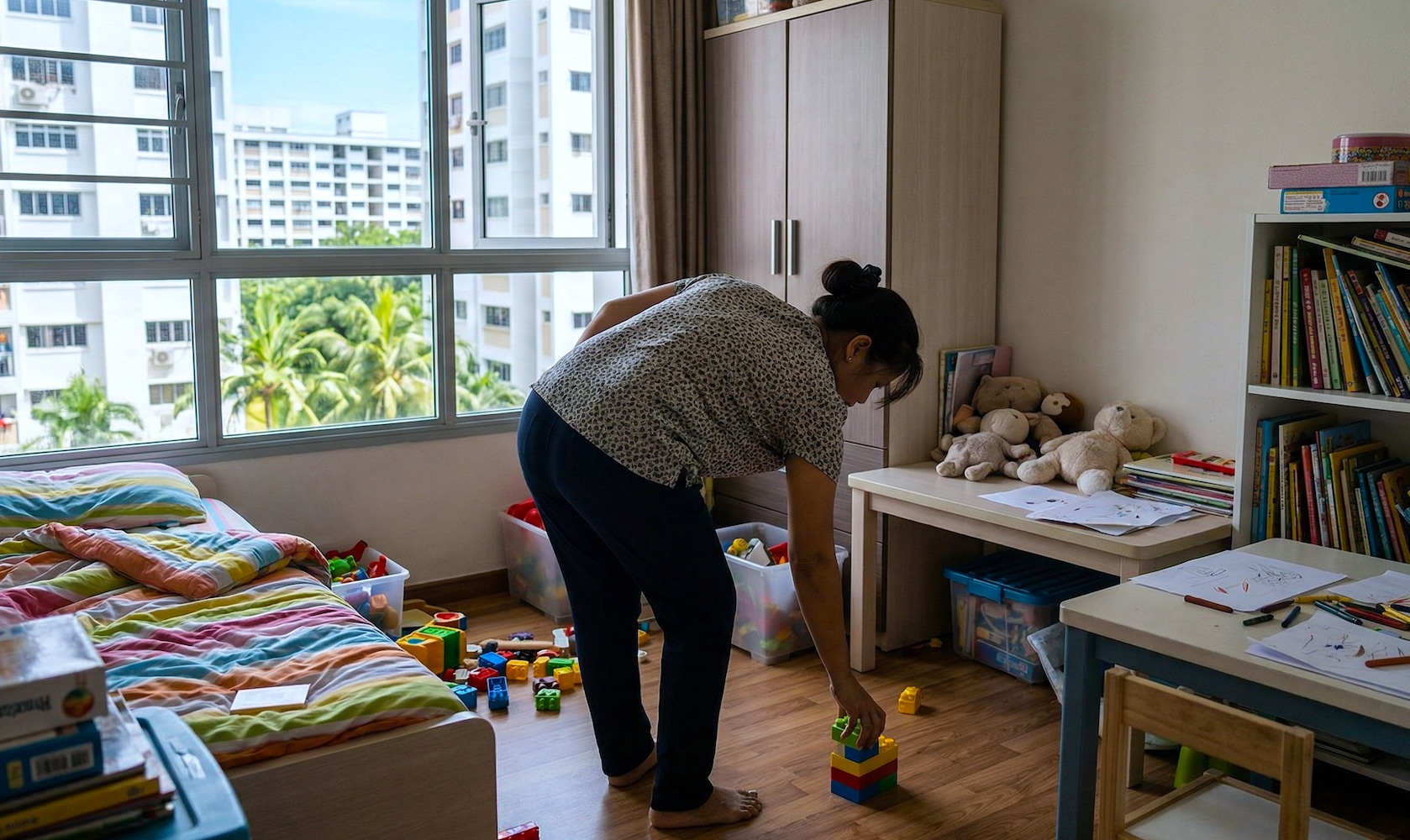
I read this call for help while sitting at the Nex food court yesterday, watching a toddler drop a plastic spoon and immediately point at the floor for their helper to grab it. It felt like a mirror. My own daughter, who just started primary school, did something similar with her wet swimsuit back then. It hurts a bit, doesn't it? We want to raise kind, grounded people, yet here they are, treating a person like an automated cleaning service. Take a breath. We can fix this with a bit of quiet patience and a shift in the house rules.
The hidden script we forgot to rewrite
The hum of the ceiling fan. The cool tiles underfoot. The silence of a house that has been scrubbed clean while everyone was at school. This quiet order is often a mask. When a child never sees the struggle of the scrub or the weight of the laundry basket, they assume the world just resets itself. It is a kind of domestic magic. My son, now seven, genuinely thought the "cleaning fairy" was just how houses worked. And honestly, that was my fault for letting the magic happen so quietly.
Then there is the "Path of Least Resistance." If you come home tired after a long day and just want the LEGO bricks gone so you don't trip, you might tell the helper to "just clear it." The kids hear that. They see that speed is more important than responsibility. Speed wins, but the lesson loses. It is a hard habit to break once the pattern sets in. The helper wants to please you, the child wants to play, and the cycle of dependency tightens.
What if the mess is actually a classroom?
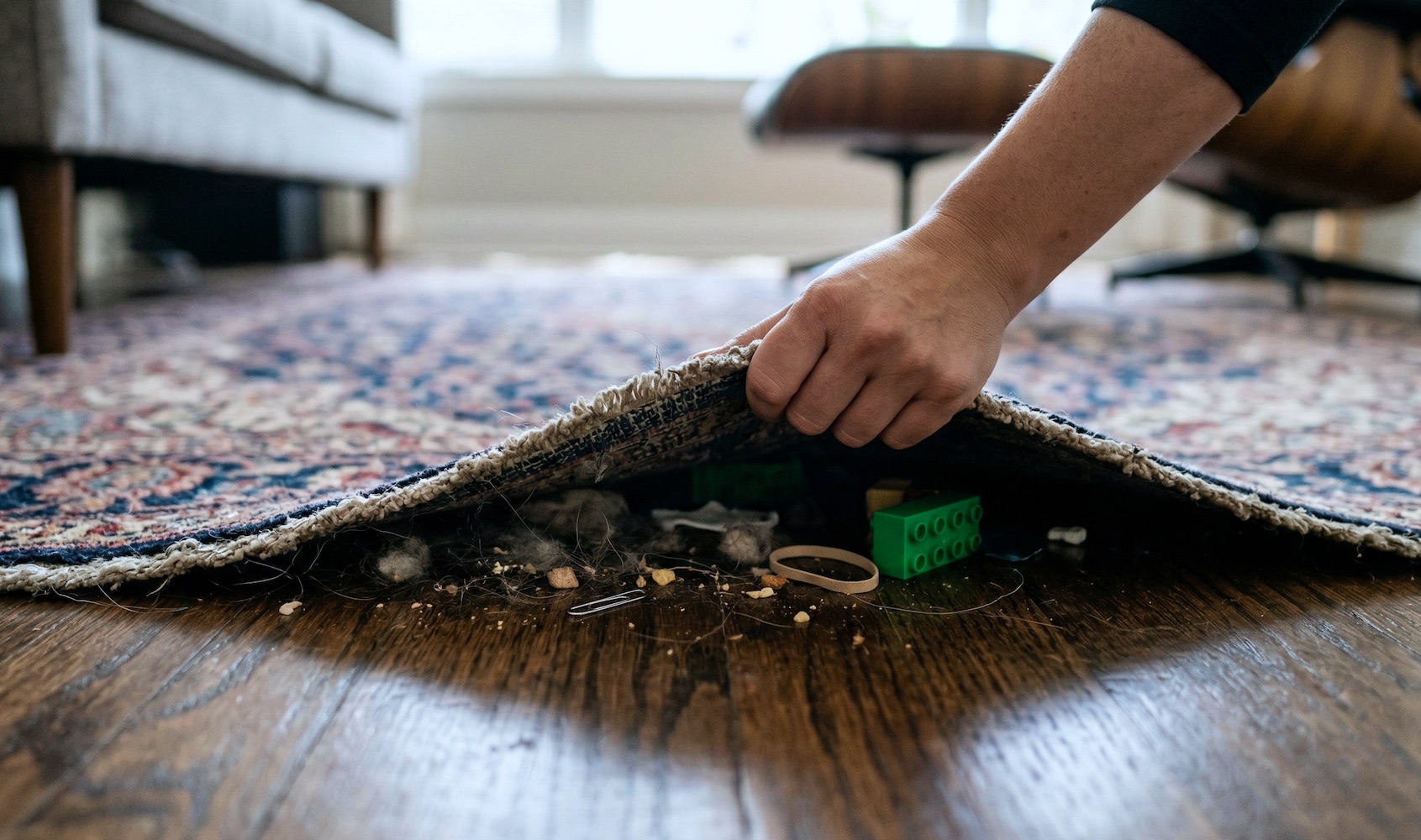
The smell of damp socks. The sight of a half-eaten biscuit crumbling into the carpet. The annoying sound of plastic cars clattering into a box. These are not just chores; they are the first steps of a child learning that their actions have a physical footprint on the world. The scattered plastic blocks, the discarded school socks near the shoe cabinet, the half-eaten crusts on the dining table, and the faint scent of floor cleaner lingering in the air are the markers of a busy home. Stop the magic.
Instead of seeing a lazy child, try seeing a child who has been "over-served." They are not trying to be mean. They just lack the "cause and effect" link. Independence is a gift we give them. When they pick up that sock, they are learning respect. They are learning that the helper is a teammate, not a tool. It shifts the burden from "getting the house clean" to "building a person."

Small shifts for a big change
1. The "Helper-as-Coach" Rule
Tell your helper to stop being the one who does. Instead, she becomes the one who watches. She can stand there and say, "I will wait while you put your toys in the bin." It takes longer. It might be messy. But the shift in power is huge. It moves from a master-servant dynamic to a teacher-student one. The helper feels more respected, and the child learns they are capable.
2. Define the "Personal Space" boundary
Make a rule that anything on the floor of their bedroom is their job. If the helper enters to mop, she moves nothing. My daughter realised quickly that her favourite drawing gets "mopped" or stepped on if she leaves it out. Natural consequences are much better than nagging. They learn that their belongings only stay safe when they care for them.
3. The Family Tidy-Up Minute
Set a timer for sixty seconds before dinner. Everyone moves. You pick up your coffee mug, the kids pick up their shoes, and the helper sits down for a minute. Show them that even adults have to clear their own mess. It makes the act of tidying a communal effort rather than a "service" provided by one person. It is fast, loud, and effective.
4. Use specific, blunt language
Avoid saying "be helpful." It is too vague for a preschooler. Instead, use "Your hands dropped the toy, so your hands must lift the toy." Simple logic. No room for debate. It ties the action directly to the consequence. When my son complained about his back hurting, I just pointed at the bin. He did it eventually.
5. Give the helper "The Veto"
Give your helper permission to say "No" to small requests like fetching a water bottle from two metres away. This is hard for some helpers who fear being "disobedient," so you must explicitly tell them it is part of the kids' training. You have to back her up when the child whines. "Auntie is helping you learn to be a big boy," is a phrase I use often. It works because it frames the refusal as a form of care.
The adult they will become tomorrow
I saw a teenager at a cafe near the library last week leave a mountain of napkins and a spilled drink for the staff without even a glance back. It made me shiver. We are raising future roommates, future spouses, and future colleagues. We want them to be the ones who see the mess and reach down. When you see your child point at a toy for the helper to grab, don't get angry. Just wait. Keep your voice low and your heart open. It takes time to undo the "boss" mindset.
Will your son know how to care for his own space when you are no longer there to manage the magic?