
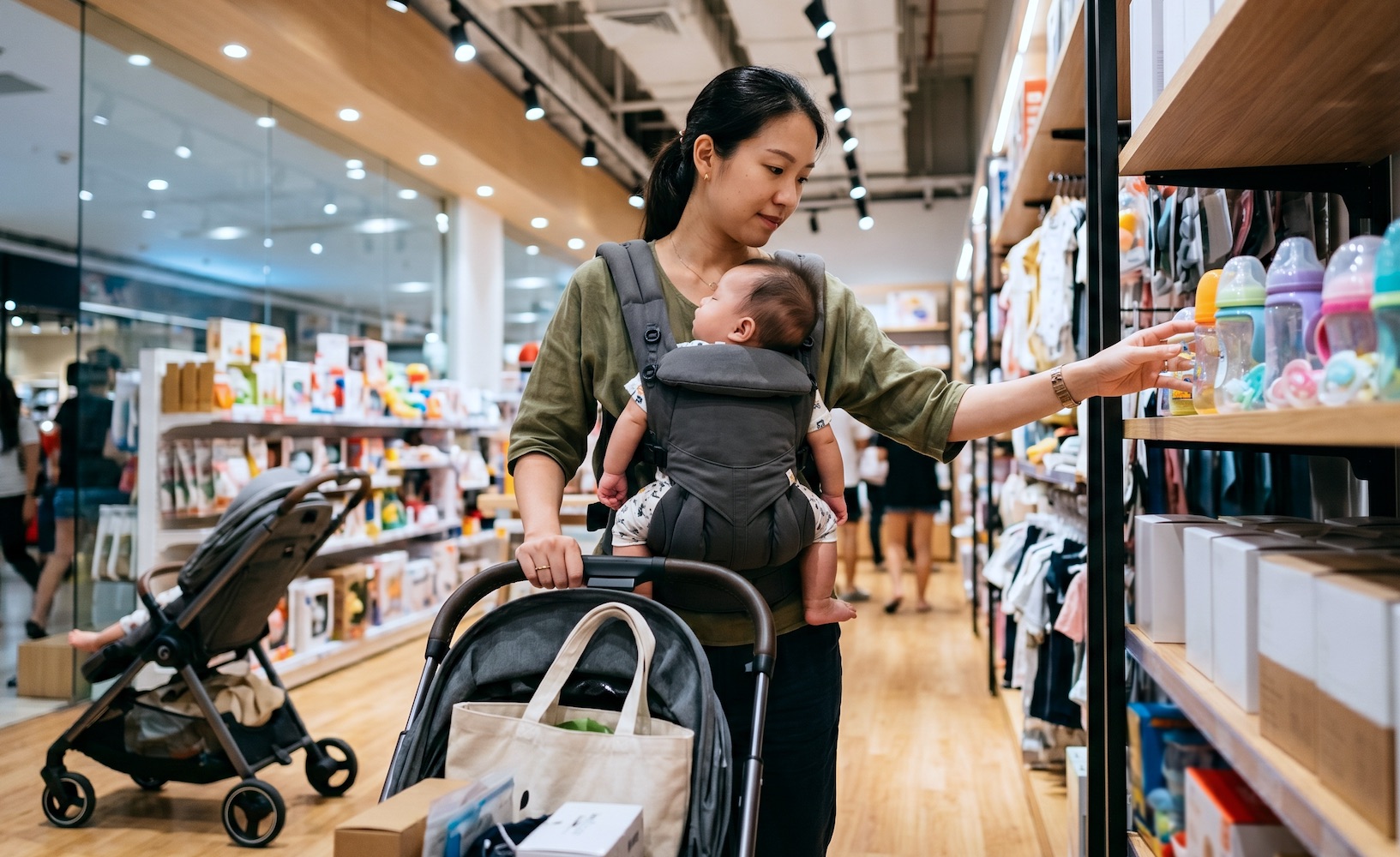
We all have that kiasu urge to give our first-born everything "brand new." But let me tell you as a peer: baby gear has a massive "drive-off-the-lot" depreciation. Most high-end items like strollers and bouncers are built to last through three kids, yet most parents sell them after just one. The main perspective we need to adopt is Life-Cycle Awareness. It's not about buying "junk"; it's about sourcing high-quality, durable goods at a fraction of the cost, and then reselling them again when you're done. It's a circular economy that keeps your wallet fat and your HDB clutter-free.
Quick Wins: Immediate Savings on the App
You don't need to spend hours scrolling to find a deal. Using a few strategic search filters and alert settings can bring the bargains directly to your notifications. These quick wins help you snag the best items before other parents do.
1. Set specific keyword alerts
Instead of manual searching, set alerts for specific brands (e.g., "Stokke Tripp Trapp" or "Lovevery"). You'll get a push notification the moment someone lists it. In the world of Carousell, the fastest parent wins the "deal of the year."
2. Filter for "Condition: Brand New"
Many parents receive duplicate gifts or items their kids never took to. By filtering for brand new items, you often get a 30-50% discount on an item that has never even been unboxed. It's the perfect way to save on toys and pump accessories.
3. Master the "Bundle" negotiation
If you see a seller with multiple items you like (e.g., three sets of clothes and a playmat), always ask for a bundle price. Sellers are often desperate to clear space and will give you a significant discount just to settle everything in one go.
4. Search for "Blessings" or $0 listings
Use the search term "Blessing" or filter for free items. Many well-to-do parents in areas like Bukit Timah or Tanjong Pagar simply want their items to go to a good home and list them for free. You just need to arrange the courier!
5. Use "Doorstep Delivery" to save time
Don't spend $10 on petrol and an hour of your life for a $15 item. Use integrated delivery services like GrabShare or NinjaVan. Often, the shipping cost is less than your parking and ERP fees, making the "savings" actually real.

The Long Game: Sustainable Gear Management
The secondary market isn't just for buying; it's a tool for maintaining a lean household budget over the years. By treating your purchases as temporary assets, you can ensure that your net spend on baby gear across five years is remarkably low.
1. The "One-In-One-Out" Rule
To prevent your home from becoming a warehouse, make it a rule that for every new toy or piece of gear that enters, one must be listed for sale. This keeps your cash flow moving and ensures you are constantly recouping your initial investments.
2. Invest in "High-Resale" Brands
Savvy parents buy brands like Tula, Ergobaby, or Haenim precisely because they know they can sell them for 60% of the value two years later. Cheap, generic brands often have zero resale value, making them more expensive in the long run.
3. Seasonal Decluttering Cycles
List your items during peak buying periods—for example, list toys a month before Children's Day or Christmas. By timing your sales when demand is highest, you can command better prices and move your "pre-loved" stock much faster.
4. Join "Buy-Nothing" Telegram Groups
Build a long-term network in your specific HDB estate or condo. These hyper-local groups often have parents passing down bulky items like cots or tubs for free or very cheap, saving you the transport hassle and logistics costs.
5. Document and store original packaging
If you have the space, keep the original boxes and manuals for high-ticket electronics like breast pumps or sterilisers. An item "with original box" can often sell for 20% more than one without, as it feels "newer" to the next buyer.
The "Ignore" List: Low ROI Habits to Stop
-
Low-Value Item MeetupsDon't spend 30 minutes traveling to save $3 on a bib. If the item is under $10, it's only worth it if it's within walking distance or can be posted. Your time as a parent is worth more than $6 an hour.
-
Negotiating for "Cents"Being a "low-baller" for a 50-cent discount creates bad karma and wastes everyone's time. If the price is fair, just pay it. Building a good reputation as a buyer leads to "plus-one" freebies from generous sellers.
-
Buying Safety-Critical Items Pre-lovedIgnore used car seats or bicycle helmets. You cannot verify if they have been in a minor accident, which compromises structural integrity. Some things are worth the full price for your child's safety.
-
Fast-Fashion Baby ClothesCheap rompers from mass-market brands have terrible resale value and often lose shape after three washes. Don't waste time listing these; it's better to donate them in bulk to charity.
-
Items with Missing Proprietary PartsAvoid buying that "cheap" pump if it's missing a specific valve you can't find elsewhere. You'll end up spending more on spare parts and shipping than you saved on the initial Carousell deal.
A Reality Check
Being a "Carousell Parent" isn't about being "poor"—it's about being incredibly smart. There is no pride in spending $1,000 on a nursery that will be irrelevant in 24 months. When you buy pre-loved, you are essentially "renting" the item for a few dollars a month. Use the money you save to fund experiences, enrichment, or your child's CDA account. Remember, your child won't remember the brand-new smell of a stroller, but they will benefit from a financially secure home.
The Savvy Parent's Carousell Master Checklist
-
1. Keyword alerts set for major gearEnsure your top 5 "must-have" brands are in your alert list to catch deals the second they drop.
-
2. Seller's reviews and rating verifiedAlways check for at least 10+ positive reviews to ensure you aren't dealing with a flakey seller.
-
3. Real-life photos requestedNever buy based on stock photos; ensure the seller provides actual pictures of the current condition.
-
4. "Blessing" groups joinedSearch and join at least one "Buy Nothing" or "Mummy Blessing" group in your local estate.
-
5. Items cleaned and sanitised upon arrivalHave a bottle of toy-safe sanitiser or a steam cleaner ready to refresh your pre-loved hauls.
-
6. Original retail price benchmarkedI have checked the current Lazada/Shopee price to ensure the "pre-loved" price is at least 40% cheaper.
-
7. Meetup location "Convenience Check" doneConfirm that the meetup point doesn't involve expensive parking or an hour-long commute.
-
8. "Bundle" enquiry sent to sellersAlways check the seller's other listings to see if you can stack items for a better price.
-
9. Resale value researched before buyingI have checked how much I can likely sell this for in 12 months' time.
-
10. Listing photos taken while item is newPro-tip: Take good photos of your gear when you first get it (while it's still clean!) to save time when you list it later.