
As parents in bustling Singapore, the neighborhood bakery is often our best friend. It is the quickest pitstop for a "grab-and-go" breakfast or a post-school snack. However, as a fellow parent who has spent years scrutinising labels and tiffin boxes, I've realised that many of these fluffy, golden bakes are wolves in sheep's clothing. While they look innocent, some are packed with levels of sugar, sodium, and trans fats that can lead to energy crashes and long-term health issues for our little ones.
Being knowledgeable isn't about being the "food police"; it's about making informed choices so we can save the treats for special occasions. When we understand what goes into these local favourites, we can better balance our children's diets with more wholesome options that actually fuel their growing bodies and minds. Let's take a closer look at the usual suspects you'll find on those plastic trays.
The 10 Bakery Items to Keep Off the Daily Menu
1. Chicken Floss Bun

The chicken floss bun is a quintessential Singaporean icon, but it is unfortunately a nutritional minefield for children. The "floss" is often processed with significant amounts of sugar and salt to achieve its addictive savoury-sweet flavour profile, making it more of a confection than a protein source.
Furthermore, the thick layer of sweetened mayonnaise used to make the floss stick to the bun is incredibly high in saturated fats. For a small child, one bun can easily account for nearly half of their daily recommended sugar and sodium intake, providing very little fibre in return.
2. Deep-Fried Sugar Donut

These nostalgia-inducing rings are a staple in neighborhood confectioneries, but they offer virtually no nutritional value. Being deep-fried, they soak up a considerable amount of oil, which is often reused, increasing the risk of trans fat consumption.
The heavy coating of refined white sugar causes an immediate spike in blood glucose levels. For school-going children, this usually results in a "sugar crash" shortly after, leading to irritability and difficulty concentrating in class.
3. Cheese Sausage Bun

The cheese sausage bun is perhaps the most popular choice for Singaporean children, but it contains two of the most processed ingredients in a bakery: commercial sausages and processed cheese slices. Sausages are high in nitrates and sodium, which are linked to various health concerns when consumed regularly.
The "cheese" used is often a shelf-stable processed variety with high emulsifier and salt content. When combined with a white flour bun, you are essentially serving your child a cocktail of preservatives and "empty" calories that lack the essential vitamins needed for growth.
4. Custard Puff

While light and airy, the custard puff is a calorie-dense treat that hides its dangers well. The pastry is made with high amounts of butter or margarine to achieve its puffiness, while the filling is often a mixture of heavy cream, sugar, and artificial thickeners.
The primary concern here is the ratio of saturated fat to total weight. A single puff can contain more sugar than a child should consume in an entire afternoon, leading to poor appetite for more nutritious dinner options later in the day.
5. Chocolate Chip Muffin

Do not be fooled by the "muffin" label; most bakery muffins are effectively cake. They are made using high amounts of vegetable oil to ensure they stay moist on the shelf, making them incredibly calorie-dense and heavy for a small child's digestion.
A standard chocolate chip muffin often contains double the sugar of a regular bun. For a younger child, the portion size of a bakery muffin is often far too large, providing nearly 400-500 calories in a single sitting without providing any lasting satiety.
6. Coffee Bun (Mexican Style)

That heavenly aroma of a fresh coffee bun comes at a steep nutritional price. The crispy outer crust is essentially a mixture of butter, sugar, and flour, which melts into the bun during baking. Inside, there is usually a large pocket of salted butter.
The caffeine content, while low, is still present in the coffee flavouring, which is not ideal for younger children. The combination of high saturated fat from the butter core and the sugary crust makes this a "fat-bomb" that can lead to energy slumps.
7. Ham and Cheese Croissant

Croissants are famous for their flaky layers, but those layers are created by "lamination"—a process of folding massive amounts of butter or shortening into the dough. When you add processed ham and cheese, the sodium levels skyrocket.
A single ham and cheese croissant can contain nearly 60% of a child's daily sodium limit. Frequent consumption of such high-sodium items can desensitise a child's palate, making them crave saltier foods and reject natural, healthy flavours like vegetables.
8. Condensed Milk Thick Toast

This is effectively a dessert disguised as a breakfast item. Thick-cut white bread is toasted with butter and then smothered in sweetened condensed milk. Condensed milk is nearly 50% sugar, making this a massive glucose bomb for a growing child.
The lack of fibre in the white bread means the sugar enters the bloodstream almost instantly. This can lead to tooth decay and sets a dangerous precedent for a child's breakfast expectations, favouring sugar over substance and nutrition.
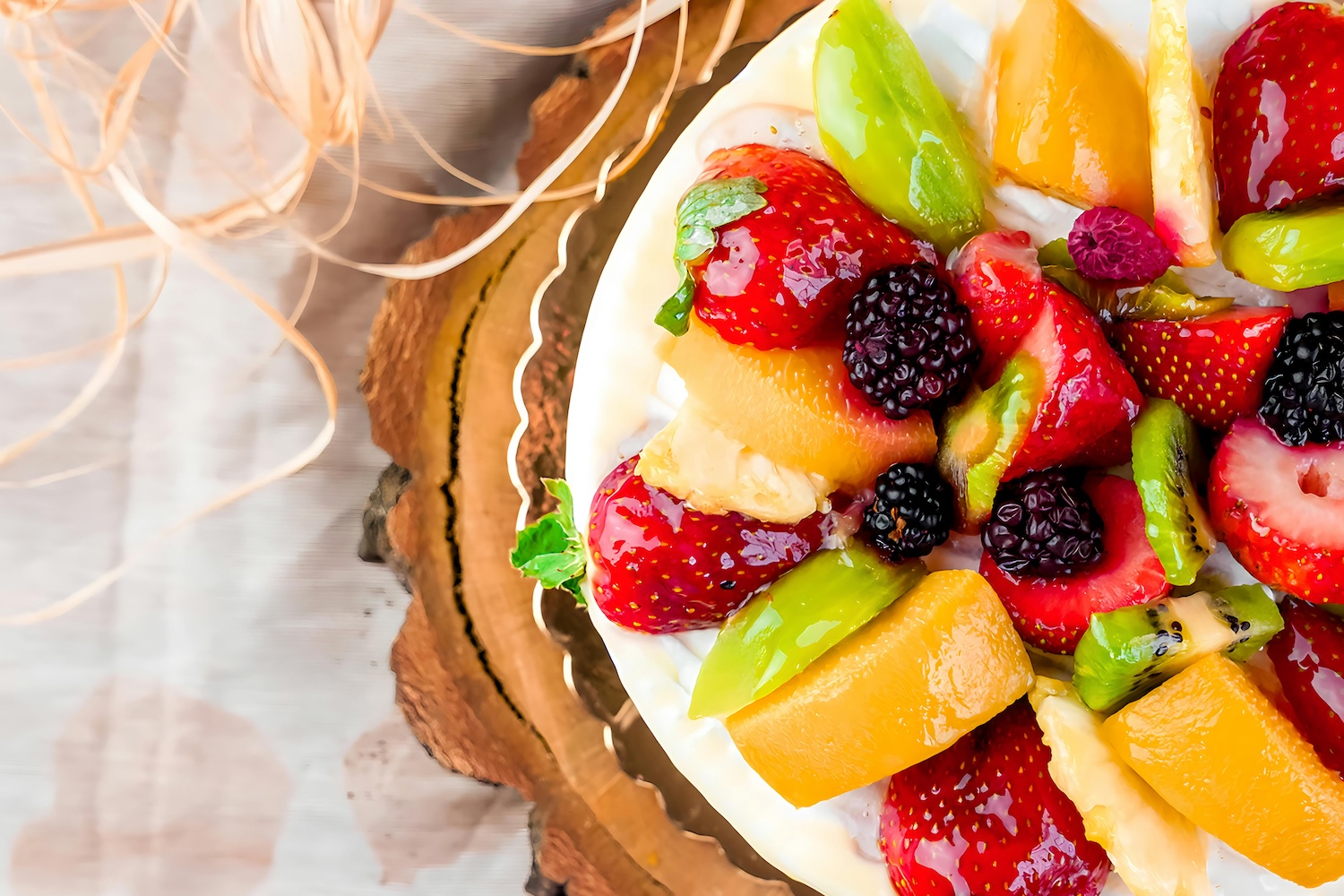
9. Glazed Fruit Tart

Parents often choose the fruit tart thinking it's the "healthier" choice because of the fresh fruit on top. However, the fruit is often glazed in a thick sugar syrup to prevent it from drying out, adding significant unnecessary calories.
The tart shell is a "shortcrust" pastry, which requires a very high fat-to-flour ratio to be crumbly. Underneath the fruit lies a bed of custard or heavy cream. While slightly better than a donut, it remains a high-sugar, high-fat treat.
10. Deep-Fried Curry Puff

A classic tea-time snack, the deep-fried curry puff is unfortunately heavy on the "fried" part. The pastry is designed to be oily and flaky, which means it absorbs a high volume of cooking oil during the frying process.
The filling, while containing potatoes and some chicken, is often cooked with excessive oil and salt. For children, the spice level can also be an irritant to the stomach, and the high fat content makes it very slow to digest, often ruining their appetite for a proper dinner.
Navigating the Bakery: Summary at a Glance
While these treats are part of our local culture, moderation is key. Choosing wholemeal options or steamed alternatives can make a massive difference in your child's daily health. Use the table below for a quick reference on your next bakery trip.
| Product Name | Main Nutritional Issue | If You Must |
|---|---|---|
| Chicken Floss Bun | High sugar/fat in mayo | Occasional monthly treat |
| Sugar Donut | Empty calories & sugar spike | Active outdoor play days |
| Cheese Sausage Bun | Nitrates & high sodium | Sharing as a small snack |
| Custard Puff | Saturated fats & sugar | Birthday celebrations |
| Chocolate Muffin | Extreme calorie density | Splitting between 2 kids |
| Coffee Bun | High butter & caffeine | Older children (12+) |
| Ham & Cheese Croissant | Sodium & trans fats | High-activity sports days |
| Condensed Milk Toast | Pure liquid sugar | Special weekend brunch |
| Fruit Tart | Sugar glaze & fat-heavy crust | Healthier alternative to donuts |
| Curry Puff | Deep-fried oils & sodium | Very occasional tea break |