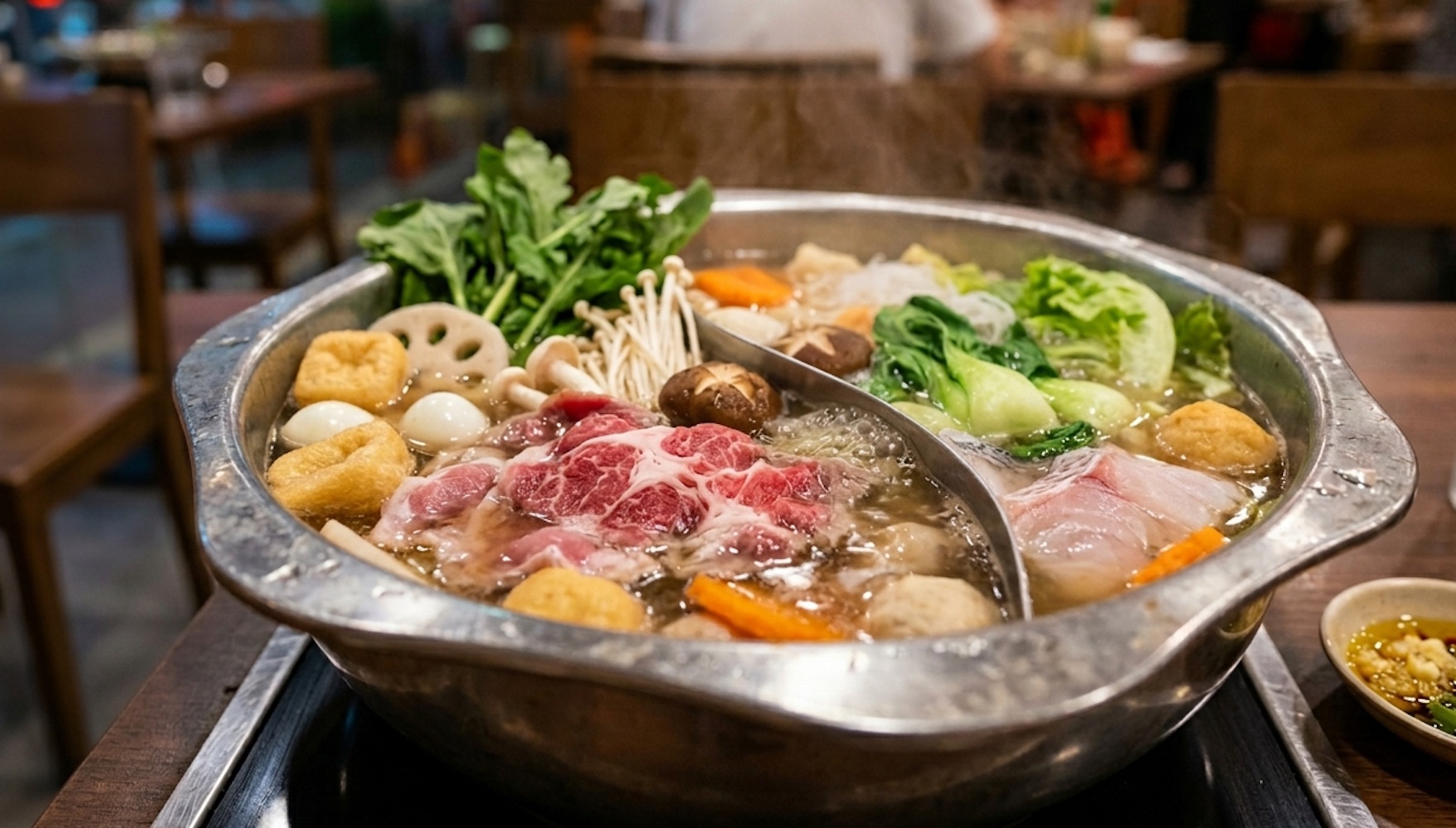
As parents in Singapore, we all love a good communal hotpot session. It is the ultimate comfort food for family gatherings, especially on rainy evenings. However, while we enjoy the bubbling broth and the "makan" spirit, it is easy to overlook what goes into our children's bowls. Many popular hotpot ingredients are stealthy carriers of high sodium, preservatives, and saturated fats that can be quite taxing on a young child's developing system.
Being knowledgeable about these hidden "nasties" isn't about being a "helicopter parent" or sucking the fun out of dinner. It is about making informed swaps so our little ones can enjoy the festivities without the salt-induced thirst or the sugar rush. By understanding the nutritional profile of these common items, we can guide our children toward better habits that will last a lifetime.
The 10 Least Healthy Hotpot Items for Your Little Ones
1. Cheese Tofu
Cheese fish tofu is a staple in most Singaporean hotpot sets, loved by kids for its bouncy texture and gooey centre. However, this product is highly processed, containing a mix of surimi (fish paste), starch, and vegetable oil. The "cheese" inside is often a processed cheese analogue with high sodium levels to maintain shelf life and flavour.
We recommend consuming this sparingly because a single piece can contain a significant portion of a child's daily recommended salt intake. Excessive sodium can lead to dehydration and put unnecessary pressure on small kidneys. Furthermore, the additives used to achieve that perfect "boing-boing" texture offer little to no nutritional value for a growing child.
2. Deep-fried Beancurd Skin (Tau Kee Rolls)
Commonly known as "Ring Rolls," these are a hotpot sensation because they soak up the soup base instantly. While beancurd itself is healthy, the deep-frying process turns these thin layers into oil sponges. When dipped into a rich broth, the fat content triples, making it a very calorie-dense item for children.
Consuming too much fried food at a young age can contribute to unhealthy weight gain and a preference for greasy textures. Since hotpot broth is already often high in fat (especially Mala or Collagen bases), adding fried beancurd skin creates a "fat-on-fat" combination that is difficult for a child's digestion to handle comfortably.
3. Canned Luncheon Meat
Luncheon meat is a nostalgic favourite, but it is one of the most processed meats available. It is packed with sodium nitrates used for colour preservation and as antimicrobial agents. For children, these preservatives are linked to various long-term health concerns and should be avoided in their formative years.
We recommend skipping this because it is essentially "empty calories" with high salt and fat. The sodium content in just two slices can exceed half of a toddler's daily limit. When boiled in hotpot, it also releases nitrates and salt into the shared soup, making the broth even unhealthier for everyone else at the table.
4. Instant Fried Noodles
Children often demand instant noodles at the end of a hotpot meal to soak up the "tasty" broth. However, most instant noodles are deep-fried during manufacturing. Combining fried noodles with a high-sodium broth creates a salt and fat bomb that can lead to excessive thirst and bloating for the child.
We recommend limiting this because these noodles provide almost no fibre or essential vitamins. They are refined carbohydrates that cause a rapid spike in blood sugar followed by a crash, which can lead to irritability or "sugar-crashing" behaviour in younger kids after dinner.
5. Imitation Crab Sticks
Despite the name, there is usually zero crab meat in these sticks. They are made from surimi, starch, sugar, and artificial crab flavouring. The bright red stripe is often a result of food colouring, which some studies suggest may be linked to hyperactivity in sensitive children.
We recommend less consumption because these are essentially "fish-flavoured flour." They have a high glycemic index due to the starch and sugar content. While they are a convenient finger food for kids, they don't provide the high-quality protein that fresh seafood would offer.
6. Fatty Pork Belly (Shabu Shabu)
While fresh meat is generally good, the specific cut of pork belly used for shabu shabu is often up to 50% fat. While children need some healthy fats for brain development, the saturated fat found in grain-fed pork belly can be excessive when consumed in large quantities during a single sitting.
We recommend choosing leaner cuts because excessive saturated fat can lead to sluggish digestion and heavy "food coma" feelings for kids. It also significantly increases the fat content of the soup, which children often drink, leading to an overall intake of grease that can cause tummy upsets the next morning.
7. Fried Mantou with Condensed Milk
This is often the go-to "dessert" or side dish for kids at hotpot restaurants. It is a double whammy: a refined white bun that is deep-fried, then dipped in condensed milk (which is mostly sugar and palm oil). This combination is incredibly high in trans fats and simple sugars.
We recommend avoiding this because it causes a massive spike in insulin and can lead to tooth decay. Since kids are already consuming a heavy meal, adding this sugar-fat combo at the end can disrupt their sleep and lead to long-term cravings for hyper-palatable, unhealthy foods.
8. Fuzhou Fishballs (Meat-filled)
While regular fishballs are already processed, Fuzhou fishballs contain a core of fatty minced pork. This adds an extra layer of saturated fat and sodium. The meat inside is often seasoned with MSG and heavy salt to ensure it stays flavourful even after boiling.
We recommend consuming less because of the "hidden fat" factor. Kids might think they are eating "just a fishball," but they are actually consuming a high-calorie meat centre. The sodium content in the outer fish paste and the inner meat filling makes this one of the saltier items on the menu.
9. Satay/Peanut Dipping Sauce
The DIY sauce station is a highlight for many, but the thick peanut or satay sauces are calorie traps. They are often made with large amounts of oil, sugar, and salt to achieve that rich, creamy texture that kids love to dip their meat in.
We recommend moderation because a small dipping bowl of peanut sauce can contain as many calories as a small bowl of rice, but without any of the nutritional benefits. It masks the natural flavour of fresh ingredients and encourages kids to overeat by making everything taste like candy-coated meat.
10. Taiwanese Sausages
These sweet, fatty sausages are often grilled or boiled in hotpot. They are significantly higher in sugar than Western sausages and contain high amounts of pork fat. They also use nitrites for that characteristic pink colour, which is not ideal for a child's diet.
We recommend limiting these as they are "super-processed" meats. The combination of high fat, high sugar, and high salt makes them addictive but nutritionally poor. They contribute to a child developing a palate for overly sweet and salty foods, which can make healthy vegetables seem bland and unappealing.
Summary: Making Healthier Hotpot Choices
While we don't need to ban these items entirely, the key for Singaporean parents is moderation. Swapping processed "balls" for fresh meat and seafood, and replacing fried beancurd with fresh tofu, can significantly reduce the sodium and fat load on your child's plate. Always remember to prioritise fresh vegetables and lean proteins to balance out the occasional indulgence.
| Product Name | Main Nutritional Issue | Best Swapped For |
|---|---|---|
| Cheese Fish Tofu | High Sodium / Processed Cheese | Fresh Fish Fillets |
| Fried Beancurd Skin | High Saturated Fat (Oil Sponge) | Silken Tofu |
| Luncheon Meat | Nitrates / High Salt | Minced Pork Balls |
| Instant Fried Noodles | Deep-fried / Refined Carbs | Udon or Glass Noodles |
| Imitation Crab Sticks | Food Dyes / Fillers | Fresh Prawns |
| Fatty Pork Belly | Saturated Animal Fat | Lean Pork Loin |
| Fried Mantou | Trans Fats / High Sugar | Steamed Mantou |
| Fuzhou Fishballs | Hidden Fatty Meat Centre | Plain Fishballs |
| Satay/Peanut Sauce | High Calories / Sugar / Oil | Light Soy & Garlic |
| Taiwanese Sausage | Preservatives / High Sugar | Chicken Skewers |