
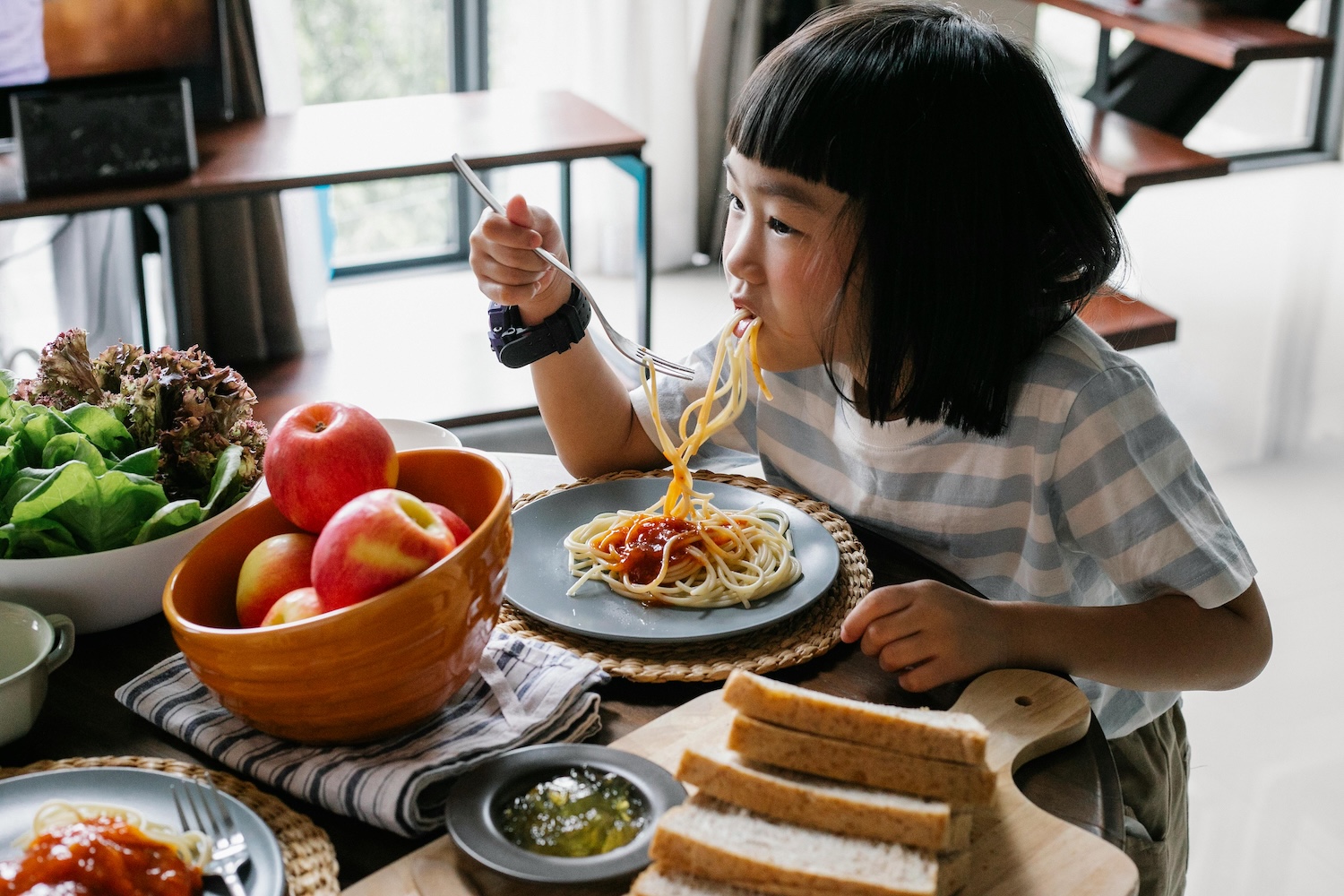
We all witnessed this scene: At the dinner table watching a nine-year-old finish a plate of chicken rice that would have filled an adult, only for him to look up and ask what was for dessert. It is a strange, unsettling feeling. You worry if they are actually hungry or if something else is going on. You wonder if the adults should say "no" or if that will cause a lifelong struggle with food. It is a heavy mental load to carry while you are just trying to clear the dishes.
You aren't alone in this. Many mums in my WhatsApp group have shared that same look of disbelief when their kids seem to have an endless appetite. Whether they are seven or nine, these little ones are still learning how to listen to their own bodies, and sometimes that internal signal gets a bit fuzzy. Let's look at this together, with a bit of grace and a lot of patience.
The Secret Reasons the Plate Never Seems Full Enough
Sometimes it is just physics. A child's body is a construction site that never sleeps. One day their trousers fit perfectly, and the next, they are swinging above their ankles. Those sudden growth spurts require an immense amount of fuel, and their bodies are simply demanding what they need to build bone and muscle. It can be that simple.
Other times, the "hunger" isn't in the stomach. I noticed my daughter started asking for snacks every time we walked past the fridge after a long day at school. It wasn't about the food; it was about the transition. Food is a comfort. It's a way to ground themselves when they feel tired or overstimulated by a busy day of lessons and CCA. The act of chewing and the taste of something familiar provides a sense of safety that words can't quite reach yet.
Seeing the Hunger Through a Different Lens
The smell of toasted bread. The crinkle of a plastic biscuit wrapper. The hum of the fridge in a quiet kitchen. I used to see my son's constant snacking as a lack of self-control, a habit I needed to break before it became a problem. My concern goes overdrive goes wild every time the fridge door opens. But then I realised something during a rainy afternoon while we were stuck at home waiting for the rain to stop. He wasn't being difficult; he was curious and sensory-seeking. He wanted to feel something, and food was the easiest way to get that hit of stimulation.
Instead of seeing a "problem feeder," try seeing a child who is deeply connected to their senses. They aren't trying to be "greedy." That word is so harsh. They are often just responding to a very loud signal from their brain or their heart. When we stop viewing it as a discipline issue and start seeing it as a physical or emotional need, the tension in the kitchen starts to melt away.

Practical Steps to Ease the Kitchen Tension
1. The "Pause and Check" Ritual
When the request for more comes immediately after a meal, try a gentle pause. I like to ask my kids to wait ten minutes to let their "tummy talk to their brain." We might sit on the sofa and read a quick story or talk about the best part of their day. Often, by the time we finish, that urgent "need" has faded because the fullness signal finally arrived. It teaches them to listen rather than react.
2. Focus on "Crowding In"
Instead of saying "no" to the things they love, try adding more of the good stuff. If they want more noodles, I'll offer a side of crunchy cucumbers or some cherry tomatoes first. It isn't a bribe. It is about adding volume and fibre that helps them feel physically satisfied for longer. The goal is to make the meal feel substantial and varied, so their body feels it has received a wide range of "fuel."
3. Create a Visual Snack Boundary
The "open pantry" policy can be exhausting for everyone. I've found that having a designated snack box for the day helps. They can choose when to eat what is inside, but once it's gone, the kitchen is "closed" until the next main meal. This gives them a sense of autonomy. They get to make choices, but the boundaries are clear and firm, which actually makes them feel more secure.
4. Identify the "Boredom Bite"
If the eating happens mostly when they are idling, it's usually not hunger. I keep a list of "five-minute fun" ideas on the fridge. If they say they are hungry but we just ate, I'll suggest one of those—like a quick game of tag in the corridor or drawing a picture of a dragon. If they are still hungry after that, then we know it's real. Most of the time, they just needed a change of pace.
5. Use Normal Language Around Food
Avoid labelling foods as "bad" or "guilty." When we make certain foods a "forbidden fruit," it only makes kids want to overeat them when they finally get the chance. We talk about how some foods give us "all-day energy" and others are just for "quick fun." This takes the moral weight off the plate and helps them develop a neutral relationship with what they eat. It's just food.
The Quiet Truth About the Next Meal
Your child is not a project to be fixed or a problem to be solved. They are a little human trying to figure out how their body works in a world full of big flavours and even bigger emotions. I remember standing in the kitchen, surrounded by half-empty cereal boxes, sticky jam jars, a trail of breadcrumbs leading to the sofa, and the constant, nagging feeling that I was failing because my son was still asking for a snack before bed. I felt stuck. But then I looked at him and saw he was just tired and needed a hug more than a biscuit. We are all just learning. The next time they ask for more, take a breath and look past the plate.