

Hosting a children's playdate or a birthday party in Singapore is always a joyous occasion, filled with laughter and the inevitable chaos of little ones running about. However, as parents, we often find ourselves leaning towards convenience when it comes to the food menu. While the occasional treat is part of childhood, it is vital to recognise that many party staples are nutritional "landmines" that can affect our children's energy levels, behaviour, and long-term health habits.
Being knowledgeable about what goes into these party snacks allows us to make better decisions without being the "party pooper." It is not about a total ban on fun foods, but rather about understanding the hidden sugars, sodium, and trans fats that lurk in popular choices. By being discerning, we ensure our kids have a great time today while protecting their well-being for tomorrow. Let us look at the top offenders often found on our local party tables.
Common Party Foods to Reconsider for Your Next Playdate
1. Brown Sugar Bubble Tea

Bubble tea has become a cultural staple in Singapore, and it is increasingly common to see "mini" versions served at kids' parties. While they look adorable, the brown sugar pearls and syrups are essentially liquid sugar. A single serving can easily exceed the daily recommended sugar intake for a child, leading to immediate "sugar highs" and subsequent irritable crashes.
We recommend consuming this much less frequently because the "pearls" are calorie-dense but offer zero nutritional value. Furthermore, the caffeine content in certain tea bases can disrupt a child's sleep patterns and increase anxiety. If you must serve it, opt for 0% sugar and fresh milk instead of non-dairy creamer to avoid hidden trans fats.
2. Deep-Fried Chicken Nuggets

Chicken nuggets are the undisputed king of the kids' menu, but they are often more "breading and binder" than actual chicken. When deep-fried in commercial oils, they soak up significant amounts of saturated fats. In a party setting, children tend to overeat these because they are bite-sized and easy to snack on while playing.
We suggest limiting these because the sodium levels are exceptionally high to enhance shelf-life and flavour. Constant consumption of high-sodium processed meats can desensitise a child's palate to natural foods. Choosing air-fried or baked versions made from whole chicken breast is a much safer bet for a home playdate.
3. Assorted Carbonated Soft Drinks

It is easy to grab a few large bottles of soda for a party, but these are essentially "empty calories." Soft drinks provide no vitamins or minerals, yet they are packed with phosphoric acid and high-fructose corn syrup. In Singapore's heat, kids can easily guzzle several cups, leading to massive insulin spikes.
The acidity in these drinks is particularly harmful to developing tooth enamel. We recommend avoiding these at playdates as they often lead to hyperactive behaviour followed by a significant mood "crash" once the sugar wears off. Water or chilled infused teas should always be the primary source of hydration.
4. Cocktail Sausages and Hot Dogs

Processed meats like cocktail sausages are party favourites because they are easy to serve. However, they are classified as Group 1 carcinogens by the WHO when consumed in excess. They contain nitrates and nitrites used for colour preservation and to prevent bacterial growth, which are not ideal for young bodies.
Beyond the chemical additives, sausages are incredibly high in saturated fat and salt. We recommend serving these sparingly, if at all. For a playdate, consider replaced processed deli meats with real proteins like roast chicken or grilled fish bites which are far more nourishing for growing children.
5. Flavoured Potato Chips

Potato chips are the ultimate "mindless" snack. At parties, the communal bowl of chips is often refilled multiple times. These chips are usually fried at high temperatures, creating acrylamide, and are coated in artificial flavourings and Monosodium Glutamate (MSG) to keep kids reaching for more.
We recommend reducing chip intake because they are very high in salt, which can lead to dehydration—especially dangerous if kids are running around in the Singapore heat. Switching to air-popped popcorn or baked vegetable crisps provides that satisfying crunch without the greasy residue and heavy salt load.
6. Heavily Frosted Cupcakes

The centrepiece of many Singaporean birthdays, these cupcakes often feature "mountains" of buttercream frosting. While visually stunning, that frosting is essentially a mix of shortening (trans fats) and powdered sugar. The bright colours are achieved using artificial food dyes, some of which are banned in other countries due to links with ADHD.
We recommend smaller portions or "naked" cakes because the sugar density is overwhelming for a child's small body. A single cupcake can contain up to 8 teaspoons of sugar. Opting for fruit-based desserts or cakes sweetened with bananas or dates is a much gentler way to celebrate a special occasion.
7. Processed Meat Pizzas

Ordering a few delivery pizzas is the standard move for any SG playdate. However, pizzas topped with pepperoni, ham, and extra cheese are triple-threats of sodium, saturated fat, and refined carbohydrates. The crust is usually made from highly refined white flour, which behaves just like sugar in the bloodstream.
We recommend consuming less because a couple of slices can easily account for a whole day's worth of sodium for a primary schooler. To make it healthier, choose thin-crust options and load up on vegetable toppings instead of processed meats. Even better, a "make your own pizza" activity with whole-meal wraps is a hit with kids.
8. Fried Fish Balls
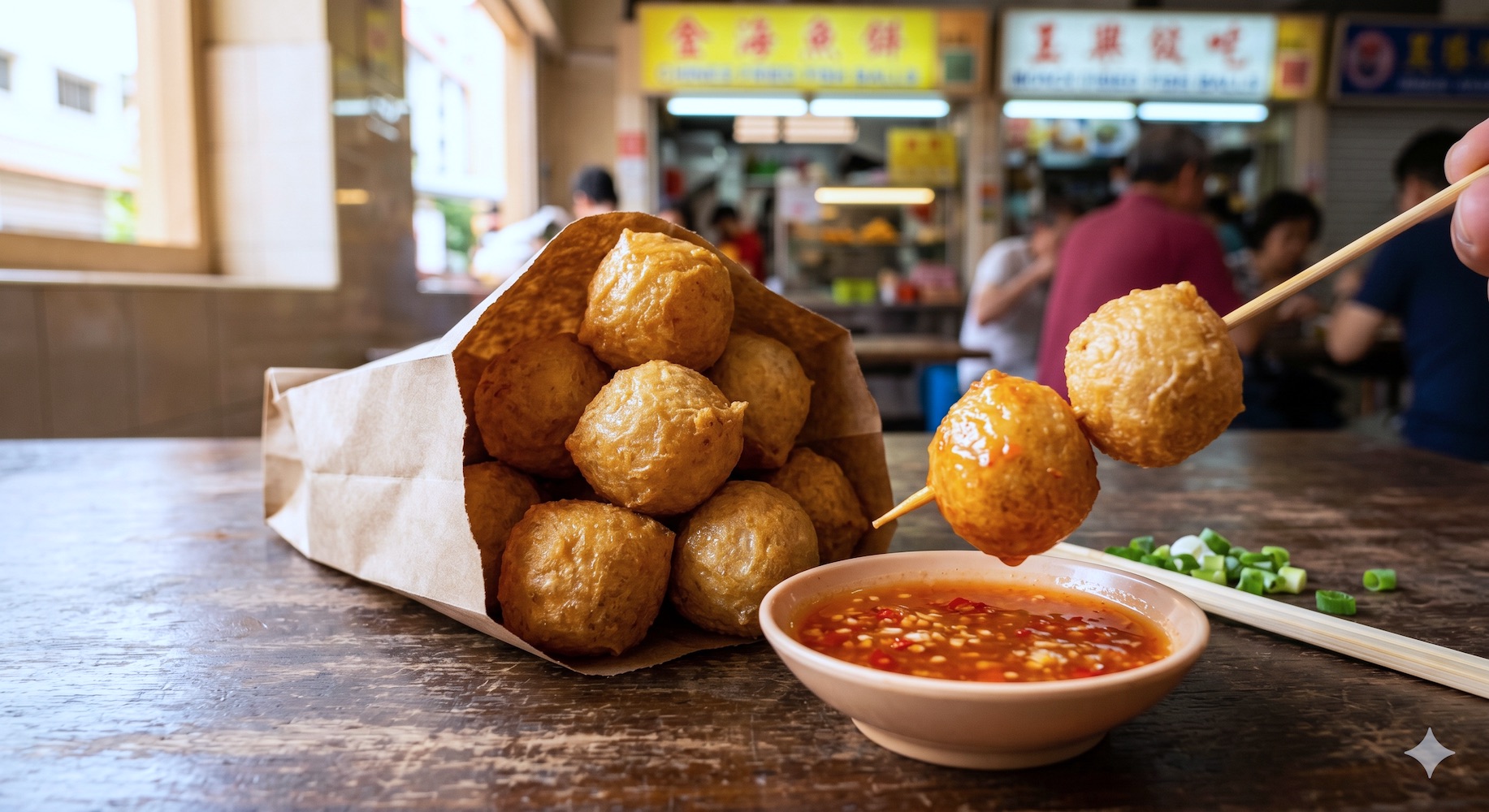
A staple in local party platters, fish balls are often perceived as "healthier" because they are fish-based. In reality, commercial fish balls contain very little actual fish and are mostly starch, salt, and flavour enhancers. When deep-fried, they become oil-soaked sponges that provide little satiety.
We recommend limiting these because the high starch content offers little nutrition, leading kids to eat far more than they need. If you are serving them, boiling or steaming them is a significantly healthier alternative to deep-frying. Always look for brands with higher fish meat percentages and fewer additives.
9. Gummy Candies and Marshmallows

Gummies are often given out in "goodie bags" or placed in bowls for kids to graze on. They are almost 100% sugar and gelatin, with zero nutritional benefit. Their sticky nature means they cling to children's teeth, significantly increasing the risk of dental caries compared to other sweets that dissolve faster.
We recommend avoiding these because they are a primary driver of sugar addiction in young children. The bright neon colours are almost always artificial dyes. Swapping these for freeze-dried fruit or small portions of dark chocolate provides sweetness with some actual nutritional value.
10. Deep-Fried Spring Rolls (Popiah Goreng)

Spring rolls might contain vegetables like turnips and carrots, but once they are deep-fried, the thin pastry skin absorbs a disproportionate amount of oil. For a small child, a single spring roll can contain a significant portion of their daily fat allowance. Commercial versions also tend to be very salty.
We recommend serving fresh popiah instead of the fried version. Fresh popiah offers the same great flavours with the added benefit of crunchy, raw vegetables and much less oil. If you are making them at home, using an air-fryer with a light spray of olive oil is a much better compromise for a playdate.
A Quick Guide to Healthier Party Planning
Navigating the "junk food" minefield during Singaporean playdates doesn't mean you have to serve steamed broccoli and plain water. It's about balance and making smarter substitutions. By reducing the frequency of deep-fried items and sugary beverages, you help regulate the children's energy levels and keep them focused on the real fun—playing together!
| Product Name | Main Nutritional Issue | If You Must |
|---|---|---|
| Bubble Tea | Extreme Sugar | Rare Treats Only |
| Chicken Nuggets | Sodium & Trans Fats | Baked/Air-fried versions |
| Fizzy Drinks | Empty Calories | Substitute with Fruit Water |
| Cocktail Sausages | Nitrates & Salt | Occasional snack (cut well) |
| Potato Chips | MSG & Saturated Fat | Switch to Popcorn |
| Frosted Cupcakes | Sugar & Artificial Dyes | Small portion, natural icing |
| Meat Pizza | Refined Carbs & Salt | Thin crust with Veggies |
| Fried Fish Balls | Starch & Fillers | Steamed is better |
| Gummy Candies | Sugar & Dental Decay | Replace with Dried Fruit |
| Fried Spring Rolls | High Oil Content | Choose Fresh Popiah |