

As parents living in our food-obsessed little red dot, we often find ourselves at the local hawker centre for a quick, affordable meal. While our hawker heritage is something to be proud of, we must be honest with ourselves: many of our favourite "comfort foods" are nutritional minefields for growing children. It isn't just about the calories; it's about the hidden salts, processed fats, and lack of essential fibre that can impact a child's energy levels and long-term health habits.
Navigating a hawker menu requires a discerning eye. We aren't saying you should ban these dishes entirely—after all, a bit of indulgence is part of childhood—but being knowledgeable allows us to make better choices. By understanding which dishes carry the heaviest nutritional "baggage," we can save them for rare occasions and guide our little ones toward more balanced options that fuel their growth rather than just filling their tummies.
The Top 10 Hawker Dishes to Limit for Your Children
1. Char Kway Teow

Char Kway Teow is arguably the king of unhealthy hawker fare. While the "wok hei" is irresistible, the dish is essentially a plate of refined carbohydrates stir-fried in lard and sweet dark soy sauce. For a child, a single serving can exceed their daily recommended intake of saturated fat and sodium in one go.
We recommend consuming this less because of the "hidden" ingredients like lap cheong (Chinese sausage) and fishcakes, which are highly processed. The lack of vegetables means your child gets very little fibre, leading to a quick blood sugar spike followed by a lethargic "food coma" shortly after.
2. Fried Carrot Cake (Black)

This dish is a breakfast favourite, but don't let the name fool you—there are no actual carrots involved. It consists of radish cake cubes fried with eggs and preserved radish (chai poh). The "black" version adds a significant amount of sweet flour sauce, which is essentially liquid sugar mixed with salt.
The combination of frying oil and sugary sauce makes this a calorie-dense meal with very low micronutrient value. For children, the high sodium content in the preserved radish can be taxing on their developing kidneys, and the sugar can contribute to tooth decay if eaten regularly.
3. Laksa

Laksa is a Singaporean icon, but its creamy, spicy broth is where the danger lies. The richness comes from a heavy base of coconut milk, which is very high in saturated fat. When a child finishes the bowl of soup, they are consuming nearly a full day's worth of fat in a single sitting.
Beyond the fats, the sodium levels are astronomical due to the prawn paste and laksa leaves. While the prawns and fishcakes offer protein, they are often overshadowed by the heavy, oily gravy that can lead to indigestion in smaller children.
4. Roti Prata (Plain/Egg)
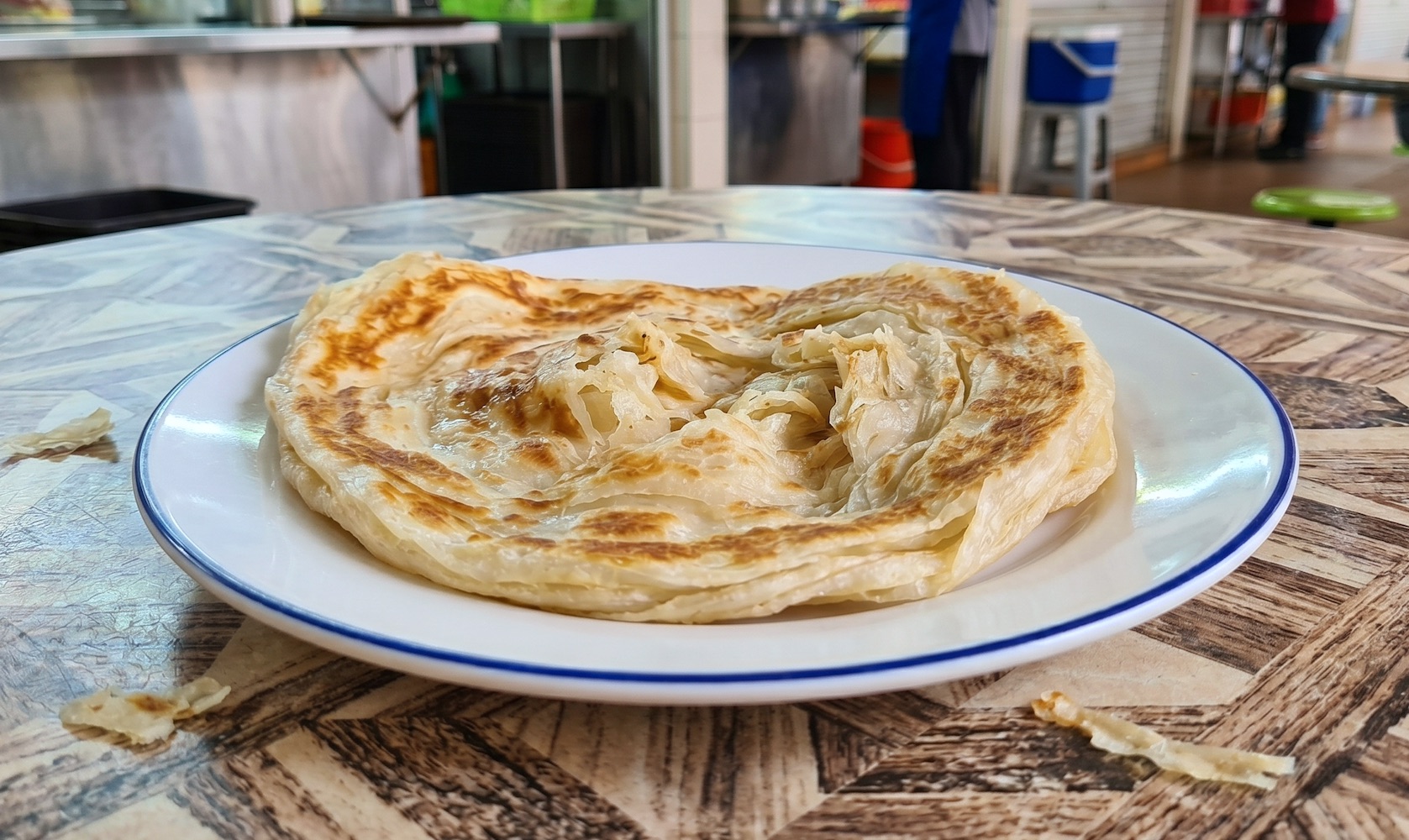
Roti Prata is a beloved weekend breakfast, but it is essentially a disc of refined white flour stretched with large amounts of ghee (clarified butter) or margarine. This makes it high in trans fats and simple carbohydrates, which offer very little "staying power" for a child's busy morning.
The danger is compounded when children dip the prata in sugar or excessive curry gravy. It provides an immediate energy burst followed by a sharp crash, leaving your child irritable and hungry again within an hour.
5. Nasi Lemak (with Fried Chicken)

Nasi Lemak is a multi-layered caloric bomb. The rice is steamed with coconut milk (saturated fat), the chicken is deep-fried in palm oil, and the ikan bilis (anchovies) are also fried and salted. Even the sambal is often cooked with large amounts of oil and sugar.
While children love the crispy textures, the sheer volume of fried components can be very difficult for their systems to process. The combination of salt, fat, and sugar in one plate makes it highly addictive but nutritionally unbalanced for a growing body.
6. Fried Hokkien Mee

Hokkien Mee is delicious because the noodles soak up a rich prawn and pork bone stock. However, that stock is often concentrated with salt and lard. The dish is topped with "crunchy" lard bits (chu yar cha), which are pure animal fat and should be strictly limited for children.
The noodles used are typically a mix of yellow noodles (high in alkaline water) and thick bee hoon. For children, the high grease content can lead to sluggishness. Without a side of vegetables, this meal is very poor in fibre.
7. Mee Rebus

Mee Rebus is often perceived as "healthier" because it isn't stir-fried, but the thick gravy is a hidden source of starch and sugar. It is thickened with sweet potato and cornstarch, making the glycemic index of this dish very high.
For children, this means a massive intake of simple carbohydrates that can lead to weight issues if consumed too often. The gravy also tends to be quite salty, which can be overwhelming for a young child's palate and health.
8. Oyster Omelette (Orh Luak)

Orh Luak is a grease-heavy dish where eggs and starch are fried together in a generous amount of oil to achieve a crispy-gooey texture. While tasty, the ratio of oil to actual nutrients is very poor. It is one of the most calorie-dense snacks in the hawker centre.
Oysters themselves are nutritious, but in this dish, they are often few and far between, submerged in fried batter. For children, the high oil content can lead to oily stools and general discomfort, not to mention the risk of poorly cooked oysters causing food poisoning.
9. Murtabak (Beef/Mutton)

Murtabak is essentially a prata stuffed with minced meat, onions, and eggs. While it has more protein than a plain prata, the minced meat used is often the highest-fat cuts of beef or mutton to keep it moist during frying. It is then fried in even more oil than a standard prata.
A single portion of Murtabak is often enough to feed two adults, yet children sometimes eat a significant portion themselves. The combination of high-fat meat and fried dough makes it a heavy, artery-clogging choice for a young child's growing body.
10. Curry Chicken Noodles

Curry Chicken Noodles are comforting, but the "lemak" (richness) comes from a coconut milk-based curry that is ladled over oily yellow noodles. The fried tofu puffs (tau pok) in the dish act like sponges, soaking up the saturated fat and salt from the gravy.
For kids, this is a very high-calorie meal that provides a lot of fat but very little in the way of vitamins or fibre. The chicken is often served with the skin on, adding more unnecessary saturated fat to the plate.
A Wise Parent's Cheat Sheet to Hawker Choices
Managing our children's diet in Singapore doesn't mean skipping the hawker centre. It's about moderation and substitution. While the dishes listed above are local treasures, they are best enjoyed sparingly. Always remember to ask for "less oil," "less sauce," and whenever possible, add a side of boiled vegetables to balance out the plate. A little knowledge goes a long way in keeping our next generation healthy and happy!
| Product Name | Main Nutritional Issue | If You Must |
|---|---|---|
| Char Kway Teow | High Lard & Sodium | Very rare special treats |
| Fried Carrot Cake | High Sugar (Black) | Sharing with the whole family |
| Laksa | Saturated Fat (Coconut) | Adults, not children |
| Roti Prata | Trans Fats & Low Fibre | Occasional breakfast fun |
| Nasi Lemak | Deep Fried Everything | Active days only |
| Hokkien Mee | Lard & High Salt | Sharing as a side dish |
| Mee Rebus | High Glycemic Index | A quick energy boost only |
| Oyster Omelette | Excessive Oil | Testing adventurous palates |
| Murtabak | High Calorie Density | Sharing between 3-4 kids |
| Curry Chicken Noodles | Saturated Fat | Cool, rainy days (rarely) |