

As parents, we often find ourselves caught in the morning rush, handing over pocket money with a quick reminder to "eat something proper." We trust that our school canteens provide the fuel our little ones need to power through a long day of Maths and PE. However, even with the best efforts of the Healthy Meals in Schools Programme, certain "canteen classics" remain nutritional minefields. Knowledge isn't just power here—it is the tool we use to guide our children toward better choices when we aren't there to supervise their plates.
Navigating the canteen landscape requires a discerning eye. It is not about banning these foods entirely—which often backfires—but about teaching our kids the "why" behind moderation. By understanding the hidden sodium, trans-fats, and empty calories in these popular dishes, we can encourage our children to pick the grilled over the deep-fried, and the soup-based over the starchy-sauced, ensuring their growing bodies get the nutrients they truly deserve.
The Top 10 Canteen Culprits to Watch Out For
1. Deep-Fried Chicken Cutlet

The fried chicken cutlet is a perennial favourite in Singaporean schools, often served with oily rice or fries. While it provides a source of protein, the heavy breading and deep-frying process significantly increase the calorie count and unhealthy fat content. The high temperature of frying can also lead to the formation of acrylamides, which are not ideal for developing systems.
We recommend consuming this less frequently because it displaces leaner protein sources and contributes to an intake of trans-fats. These fats are linked to sluggishness in the afternoon, potentially affecting your child's concentration during lessons. Opting for this dish once a fortnight rather than daily is a much safer balance for heart health.
2. Roti Prata (Plain or with Sugar)
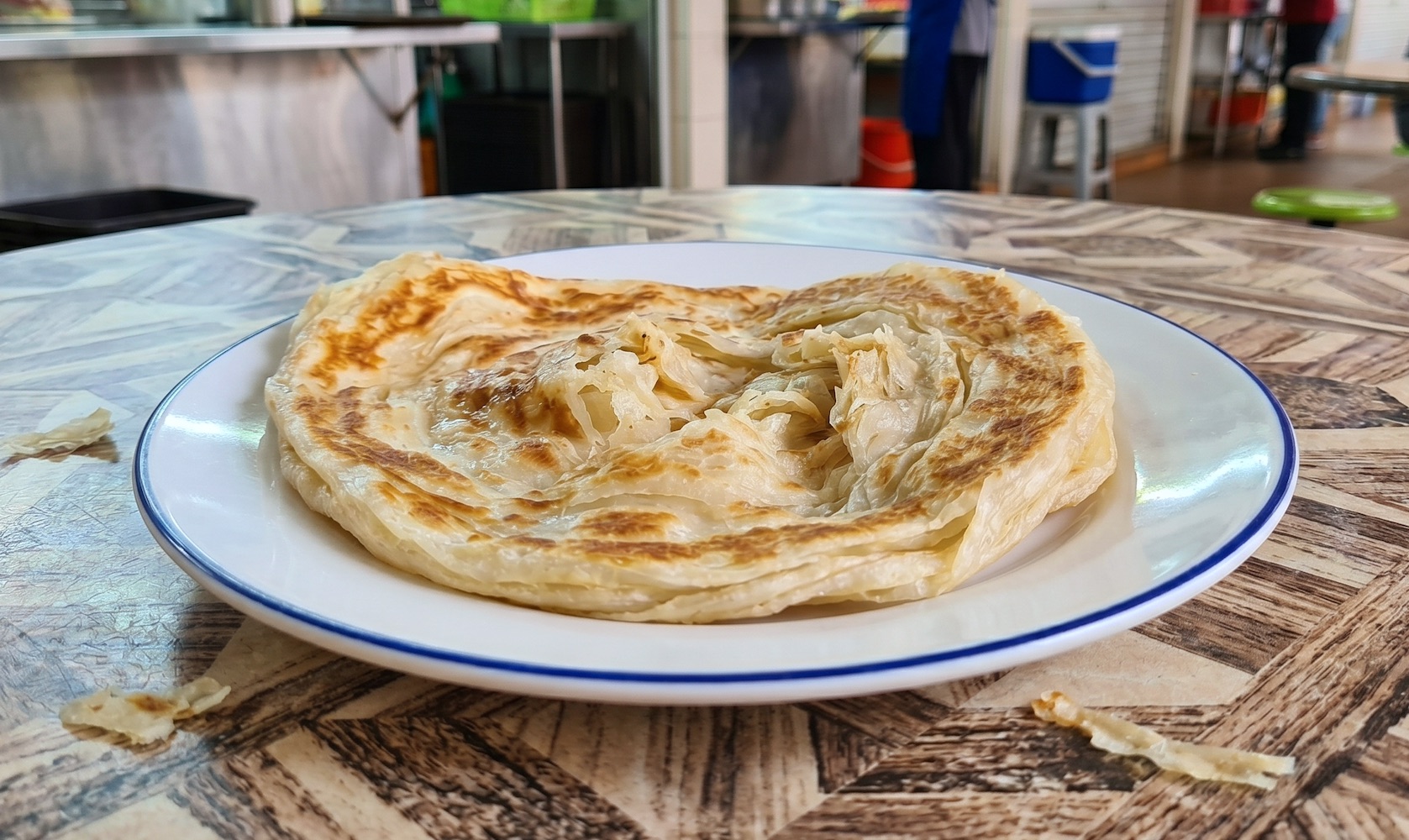
Roti Prata is a beloved breakfast and snack item, but it is essentially a disc of refined flour and ghee (clarified butter) or margarine. When children dip it in sugar or high-sodium curry, it becomes a calorie-dense meal with very little fibre or micronutrients. It provides a quick burst of energy that usually ends in a "sugar crash" before the next school period.
We suggest limiting this because the combination of refined carbohydrates and saturated fats is a major contributor to childhood obesity. It offers very little satiety, meaning children often feel hungry again shortly after eating. It's best treated as a very occasional treat rather than a breakfast staple.
3. Instant Noodles (Dry/Soup)

Instant noodles are a canteen "emergency" food—cheap, fast, and tasty. However, the noodles themselves are usually deep-fried during manufacturing, and the seasoning packets are loaded with monosodium glutamate (MSG) and sodium. A single serving can often exceed half of a child's daily recommended salt intake.
We recommend steering clear because high sodium intake in childhood is linked to the development of hypertension later in life. Furthermore, these noodles often contain TBHQ, a preservative that is best avoided in large quantities. The lack of protein and vegetables in a standard bowl makes it a nutritionally "empty" choice.
4. Deep-Fried Fishballs on a Stick
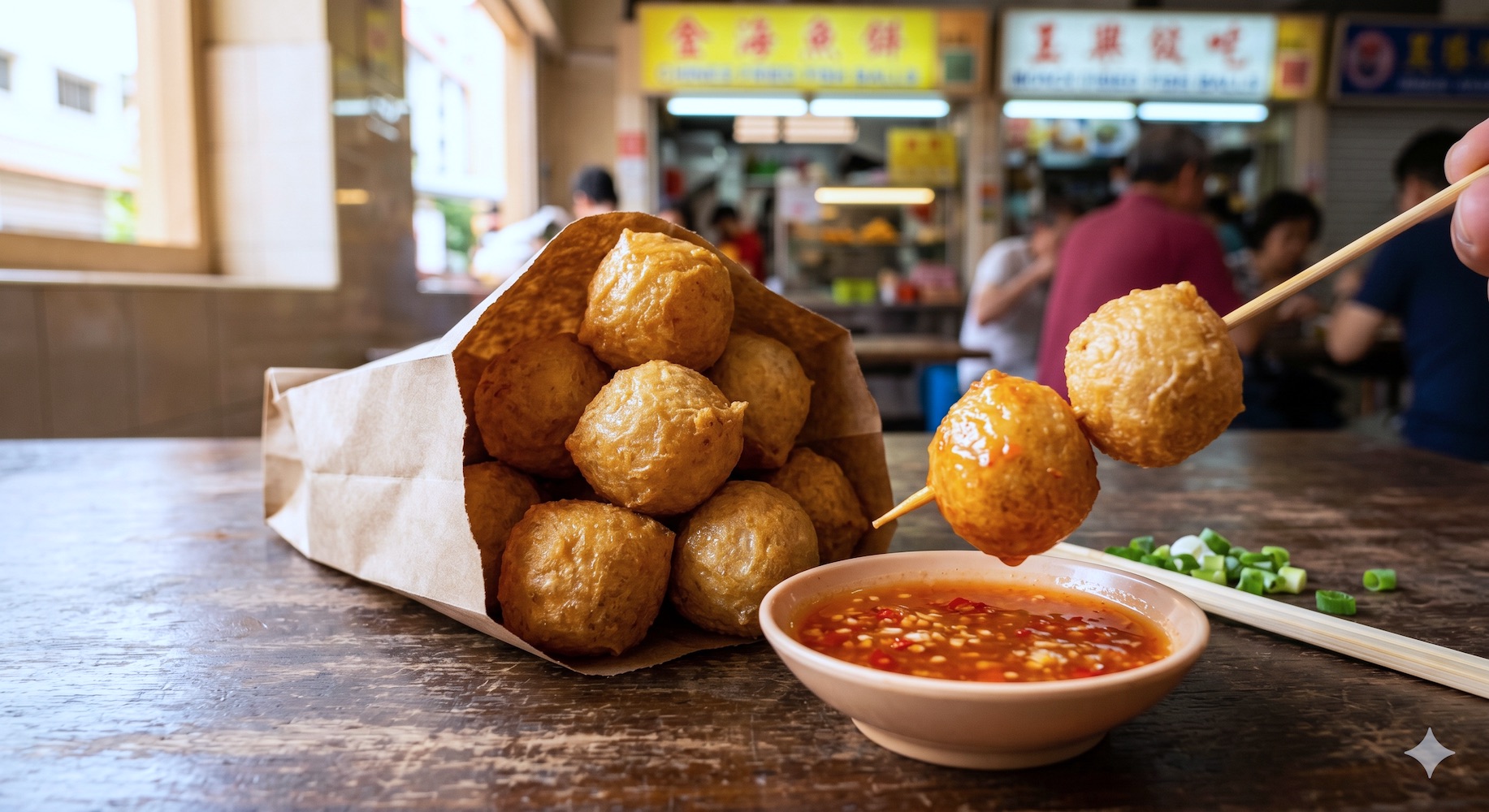
While they might seem like a light snack, canteen fishballs are often highly processed. They usually contain a low percentage of actual fish meat, bulked up with starch, salt, and various binders. When deep-fried, they absorb a significant amount of oil due to their porous texture.
This product is relevant because it's a "silent" calorie adder. Children often buy 2 or 3 sticks as a side to their main meal, easily doubling their fat intake for lunch. We recommend consuming less because processed meats (even fish-based ones) are often high in nitrates and sodium which provide zero nutritional value to a growing student.
5. Mee Rebus (Thick Sauce)

Mee Rebus is delicious, but the secret to that thick, savoury sauce is usually a combination of sweet potato starch, flour, and sugar. While it contains some protein from the hard-boiled egg and tofu, the majority of the dish consists of yellow noodles (high in alkaline salts) and a sauce that is effectively "liquid calories."
We recommend caution because of the high hidden sugar and sodium in the gravy. Children often drink the entire bowl of sauce, which significantly spikes their salt and calorie intake. If they must have it, encourage them not to finish the gravy and to ask for more bean sprouts to increase the fibre content.
6. Oily Chicken Rice
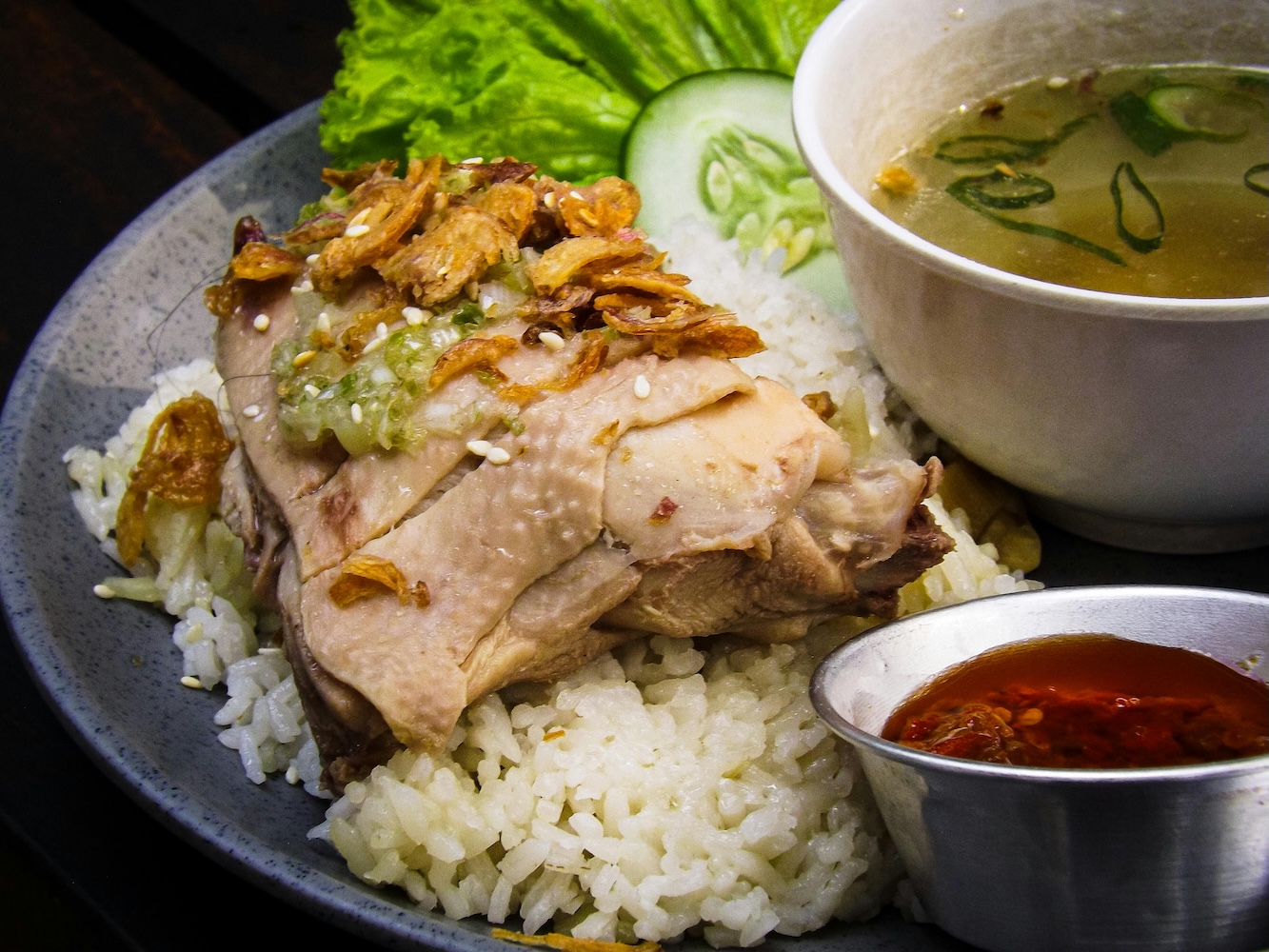
Chicken Rice is Singapore's national dish, but "canteen-style" chicken rice is often lower in quality. The rice is sautéed in chicken fat and ginger before being boiled in chicken stock, making it a "fat bomb" compared to plain white rice. Furthermore, the roasted chicken skin contains most of the bird's saturated fat.
We recommend consuming less of the "oily" version because the saturated fat content can lead to lethargy. If your child eats this daily, the cumulative effect of the chicken fat and salt in the rice can contribute to weight gain. It's better to educate them to ask for "white rice" and to remove the skin from the chicken.
7. Deep-Fried Curry Puffs

Curry puffs are a classic tea-time snack, but the shortcrust pastry is made with a high ratio of margarine or butter to flour to achieve that flaky texture. In the school canteen, these are almost always deep-fried, causing the pastry to act like a sponge for even more oil. The filling, while containing potatoes and chicken, is often very salty.
We recommend reducing intake because a single curry puff can contain as much fat as a small meal, but without the vitamins and minerals of a balanced plate. It is a very concentrated source of calories and trans-fats that provides little nutritional benefit for a growing child's brain development.
8. Western Set (Fries and Fried Fish)

The "Western Food" stall is often the busiest in the canteen. A standard set includes breaded fried fish or chicken, a large portion of fries, and maybe a scoop of baked beans or coleslaw. The issue here is the "double fry"—both the main protein and the side dish are deep-fried, leading to an excessive amount of omega-6 fatty acids which can be pro-inflammatory.
This is a product we recommend limiting because it is very low in dietary fibre and very high in refined carbohydrates. The coleslaw is often dressed in high-fat, high-sugar mayonnaise, making it less of a "vegetable" and more of a "sauce." This meal is a leading contributor to "food coma" in the classroom.
9. Deep-Fried Wantons

Deep-fried wantons are more of a snack than a meal, but children often add them to their noodle bowls. They have a very high surface-area-to-volume ratio, meaning they absorb more oil per gram of food than almost anything else. The actual amount of meat inside is usually negligible compared to the oily, fried skin.
We recommend avoiding these as a regular add-on because they add "empty" fat calories without increasing the child's fullness significantly. They are often seasoned with high amounts of MSG and salt to make the crispy skin more addictive. Swapping these for a side of green vegetables or a braised egg is a much smarter move.
10. Sugary Cordial
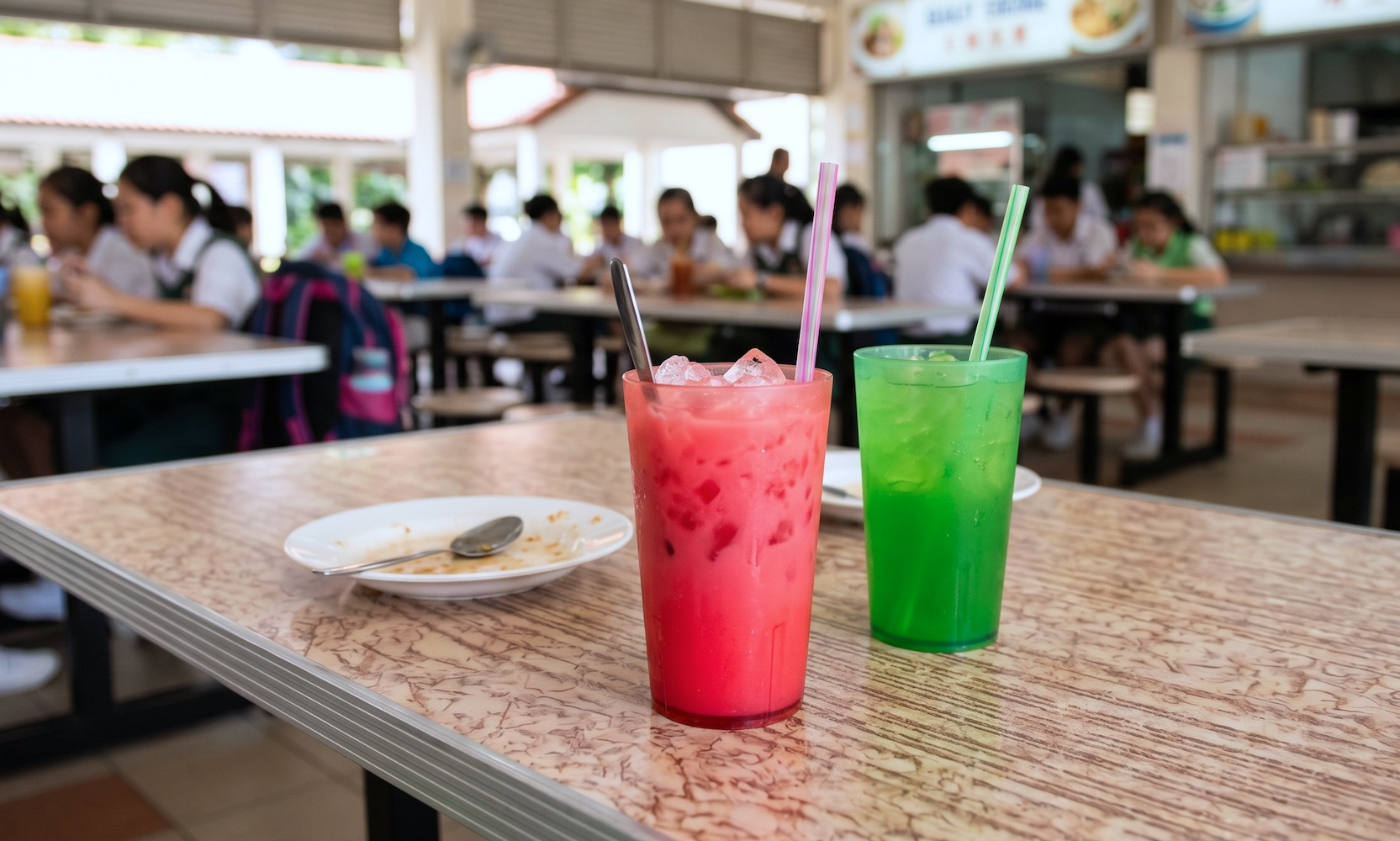
While often marketed as energy drinks for active kids, school-made fruit cordials can be very high in sugar. Canteens often add condensed milk or extra syrup to make the drinks more palatable. Liquid sugar is particularly concerning because it doesn't trigger the same "fullness" signals in the brain as solid food.
We recommend limiting these to special occasions because high sugar intake is linked to poor dental health and an increased risk of Type 2 diabetes. Drinking these during school hours can cause energy spikes followed by lethargy, making it harder for children to focus on their afternoon lessons. Water is always the best choice for hydration.
Summary: Making Smarter School Meal Choices
Managing our children's nutrition at school isn't about eliminating joy; it's about balance. Most of these "unhealthiest" options are staples because they are affordable and tasty. However, by identifying the main nutritional issues—be it excessive sodium, saturated fat, or sugar—we can empower our kids to make small, impactful swaps. A simple change like removing chicken skin or choosing clear soup over thick gravy can significantly improve their daily nutrient profile.
| Product Name | Main Nutritional Issue | If You Must |
|---|---|---|
| Fried Chicken Cutlet | Trans-fats & Sodium | Post-sports high energy needs |
| Roti Prata | Saturated Fat & Low Fibre | A monthly weekend-style treat |
| Instant Noodles | Extreme Sodium & MSG | Emergency meal only |
| Fried Fishballs | Process fillers & Oil | Small side snack share |
| Mee Rebus | Hidden Sugars in Gravy | Energy before a long PE day |
| Oily Chicken Rice | Saturated Animal Fat | Growth spurts (needs protein) |
| Curry Puff | Trans-fats in Pastry | Quick snack between activities |
| Western Set | Double Deep-Frying | End-of-term celebration |
| Fried Wantons | High Oil absorption | Small crunchy garnish |
| Sugary Drinks | Liquid Sugar & Spikes | Treat after sports day |