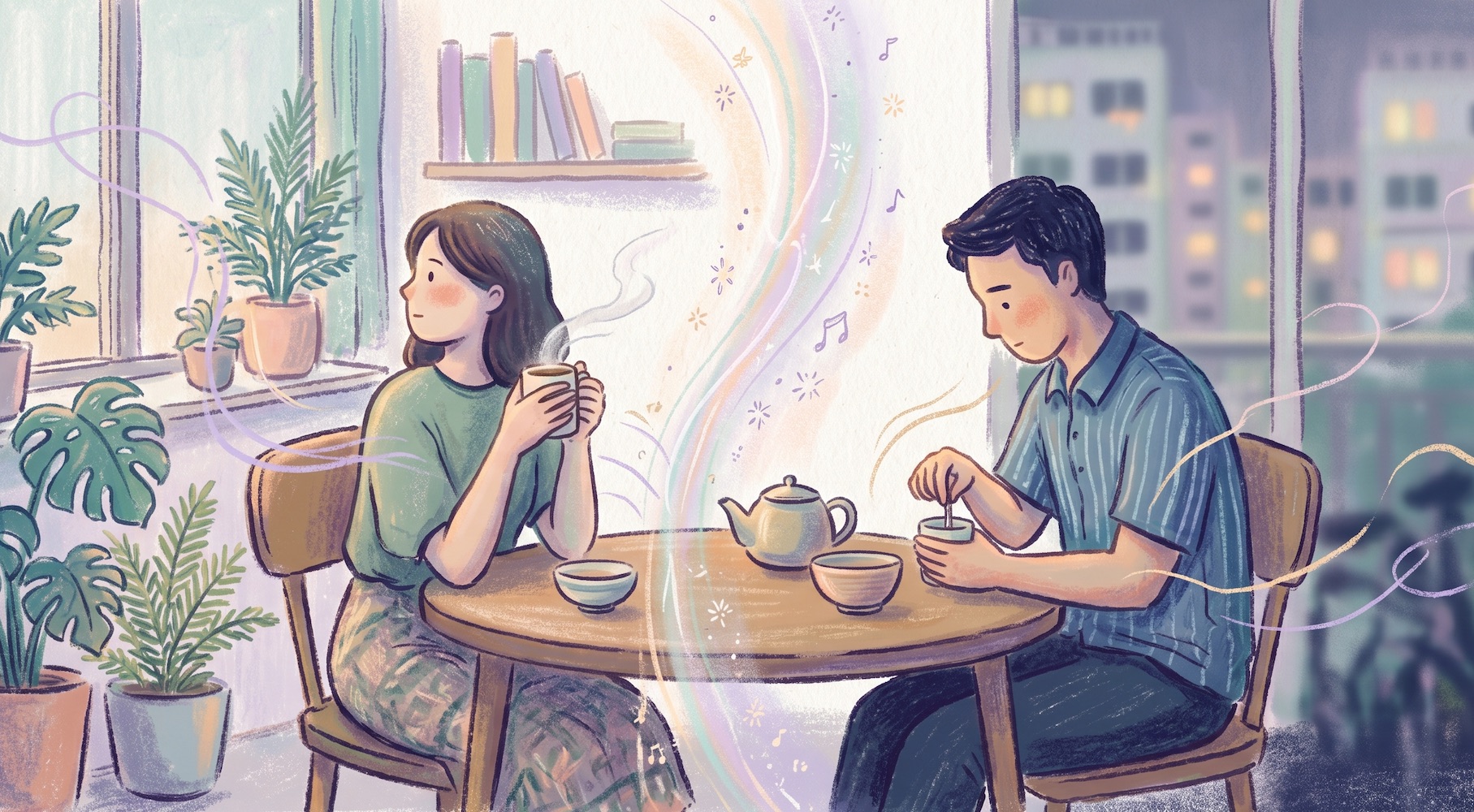
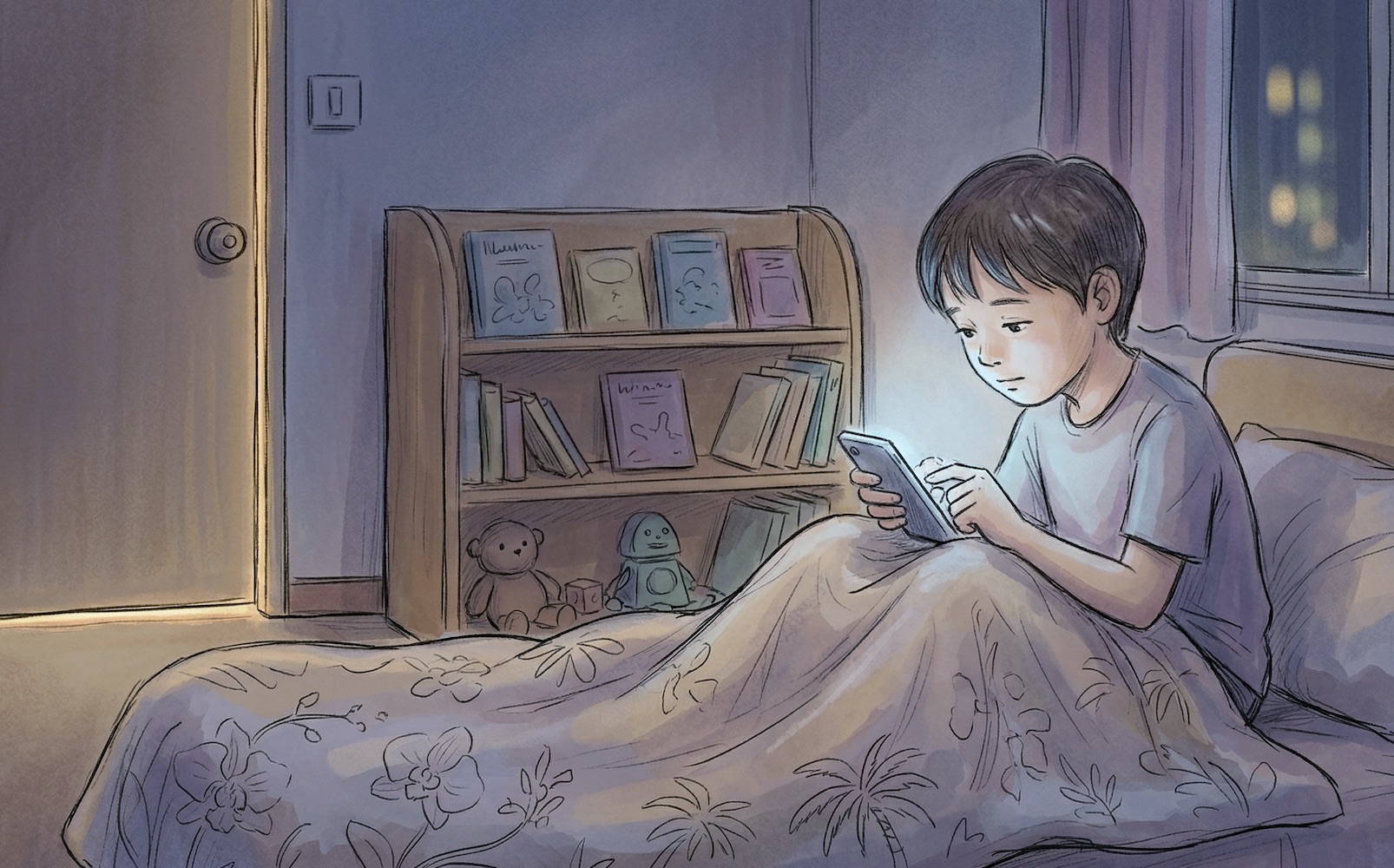
I know that heavy feeling in the pit of your stomach when you walk past their bedroom. The door is shut. There is no sound except maybe the faint hum of a fan or the rhythmic tapping of thumbs on a screen. You want to knock, but you are afraid of the silence or the "Go away" that might come from the other side. It is a lonely kind of grief to have your child under the same roof but feel like they are kilometres away. I saw a dad at the Vivocity library last Sunday looking at his phone with that exact same expression of quiet longing, and it reminded me that so many of us are sitting in this digital shadow together.
What are they actually finding behind that closed door?
Sometimes the room is not a hiding place but a decompression chamber. Think about the noise of a typical day in Singapore—the MRT announcements, the crowded canteens, the constant stream of instructions from teachers and tutors. Maybe they are tired of the noise at school, the pressure of the upcoming exams, the friction of social groups at the canteen, or simply the weight of being perceived by everyone around them for eight hours straight. They need air.
The screen provides a version of connection that feels safe because it is curated. Texting allows them to pause, delete, and rewrite their thoughts before anyone sees them. It is a shield. When they are in their room, they are the kings and queens of their own little square metre of the world. No one is asking them to clear their plate or finish their TYS papers. It is the only place where they feel they have total control over who gets to see them and when.
Is it a wall or just a very strange window?
We often see the phone as the enemy that stole our child. But what if we looked at it as a bridge they are still trying to hold onto? If they are texting you from the other room to ask for a drink or tell you a joke, they are still reaching out. It is a clumsy, digital reach, but it is a reach nonetheless. Instead of seeing the closed door as a rejection of you, try to see it as a desperate attempt to manage their own internal weather. They are not shutting you out; they are just trying to keep themselves together.
The living room felt too big, the dinner table felt too quiet, and the sound of my own footsteps on the parquet floor seemed to echo the distance that had grown between us over the last few months. I felt lost. But then I realised that my anger at the "screen" was making me a person they wanted to avoid. If I make the "real world" feel like a place of judgment and chores, why would they want to come out? We have to make the space outside the bedroom more inviting than the glow of the LED strips.
How do we walk back into their world?
1. Master the low-stakes text
Stop using the phone only for reminders about tuition or dinner. Send a silly meme you found on a Singaporean subreddit or a photo of a cute cat you saw at the void deck. Do not expect a reply. You are just sending a signal that says, "I am here, and I am not a threat." It builds a digital paper trail of kindness that makes the physical door feel a bit lighter. And honestly? It works.
2. The "No-Questions" delivery service
Try bringing a small plate of cut fruit or a cold Milo to the door. Knock once, leave it there, and walk away. Don't ask how they are. Don't ask if they have done their homework. The goal is to provide a sensory reminder of your care without any "tax" attached to it. They get the snack, and they get the message that you love them even when they are invisible. It is a quiet way to be a mum.
3. Create "Digital-Free" pockets of joy
It is better to have ten minutes of real connection than an hour of forced silence. Find something that requires their hands but not their full social battery. Maybe it is a quick walk to the nearest petrol station for a Magnum bar or a drive to see the lights at Marina Bay. No heavy talks. Just being side-by-side. Shoulder-to-shoulder is always less scary than eye-to-eye for a child who feels overwhelmed.
4. Practice parallel play
Sometimes, I just sit in the same room as my kids while they are on their devices and I am reading my book. We don't talk. We just exist in the same space. It tells them that my presence is not always a demand for their attention. It lowers the stakes. Eventually, the phone goes down for a second, and they tell me something small. Those small things are the biggest wins. I treasure them.
5. Validating the "Need to Hide"
Next time they do come out, tell them, "I'm glad you got some rest in your room today, it looked like you needed some quiet time." By validating their need for isolation, you take away the "rebellion" factor. If it is not a secret or a fight, it loses its power as a hiding spot. You are making it okay for them to be tired. You are being their safe harbour.
What happens when we stop knocking so hard?
We spend so much energy trying to pull them out into our light that we forget to see if they are okay in their dark. Your child is still in there, even if all you see is the blue glow under the door. They are growing in ways that are messy and quiet. Trust the foundation you built when they were small. If you could see their heart instead of just their phone, would you still feel the need to shout through the wood?