
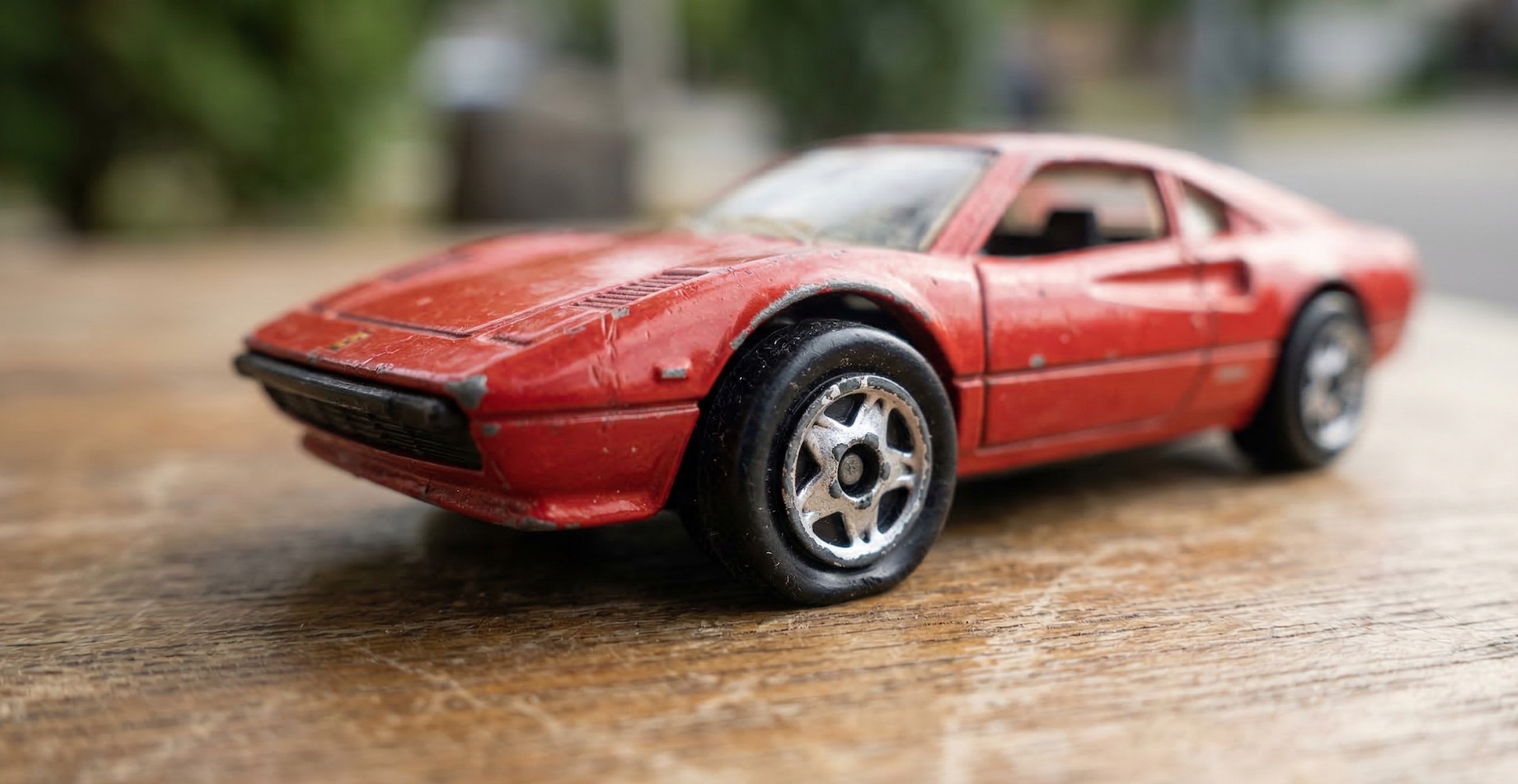
I saw a little girl at the Great World City play area yesterday. Her bubble wand snapped. The wailing? It sounded like she'd lost her best friend. I felt for the mum, who was just trying to finish her tea in peace before the grocery run. We've all been there. My son once cried for forty minutes because his favourite blue socks were in the wash. My daughter, who is now seven, used to treat a dropped biscuit like a personal tragedy. It's exhausting, I know. But it's also a window into their little hearts.
Why does a two-dollar toy feel like a lost treasure?
The sticky drips on the hot pavement at East Coast Park. That's all that's left of the mint chocolate chip. To us, it's five dollars and a trip to the bin. To a child, that scoop was a promise of a perfect afternoon. Their brains aren't built to handle the sudden shift from "yay" to "gone." The part of the brain that manages big feelings is still under construction, like a BTO flat that's years away from completion. They don't have the logic to tell themselves "we can just buy another one."
Loss is also about control. In a world where adults decide when they sleep, what they eat, and which school they attend, that one toy or ice cream was theirs. When it breaks, a piece of their autonomy breaks too. It's a heavy weight for small shoulders. For a primary one student or a toddler, the "now" is the only thing that exists. There is no tomorrow where a new toy exists. There is only the broken today.
What if their big tears aren't actually about the toy?
The air-con in the mall was blasting, your bag digging into your shoulder, the grocery eggs were cracking in the trolley, and your kiddo screaming because his plastic car lost a wheel. It's easy to get annoyed. But stop for a second. We aren't just looking at a tantrum. We're looking at a dress rehearsal. Life is full of let-downs. Today it's a plastic wheel; in twenty years, it might be a job loss or a breakup. They are learning how to grieve. If we tell them "it's no big deal," we're telling them their feelings are wrong. We want them to know that when things go wrong, they can feel the sting, breathe through it, and eventually move on. It's about building that internal muscle. A deliberate choice to stay calm helps them see that the world hasn't actually ended.
The mess is the point.
How can we help them find calm in the mess?
It's all about being a steady presence when their world is shaking. Here is how I deal with the meltdowns at home.
1. Name the monster
Instead of saying "stop crying," I try to say "You're really sad that the ice cream fell." Putting a name to the feeling makes it less scary. It's like turning on the light in a dark room. Once they feel heard, the volume usually drops a notch or two. They realise they aren't alone in their sadness.

2. The ten-second pause
Before you rush to fix it or scold them, just stand there. Don't say anything. Let the wave of the scream hit you and pass. Often, we react because we are embarrassed in public. Forget the aunties staring at you in the lift. Just be there in the noise. It gives your own heart a chance to stay quiet and restorative.
3. Physical grounding
I usually crouch down so I'm at their level. I don't always hug them immediately—sometimes they're too worked up—but I'll put a hand on their back. It's a way of saying "I'm not leaving you in this." My daughter usually needs a firm squeeze, while my son needs space. You know your own kids best.
4. A proper send-off
If a toy is truly broken, we sometimes have a "funeral" for it before it goes into the rubbish chute. We say thank you to the toy for the fun times. It sounds silly, but it gives them a sense of closure. It acknowledges that the item mattered to them. It's a simple way to honour their feelings without buying a replacement immediately.
Will they ever stop crying over the little things?
Your child isn't being "dramatic" or "spoilt." They are just new here. They are figuring out that the world is a place where things break and snacks fall. Our job isn't to prevent the tears, but to be the person they can cry to. When was the last time you let yourself feel truly sad about something "small" without judging yourself for it?