
I was standing in my kitchen last Tuesday, surrounded by three different meal-prep containers of steamed sweet potato and spinach, feeling like I had finally nailed the menu. My son was sitting in his high chair, happily smearing pumpkin across his cheeks, when I noticed a tiny red patch near his lip. "Is his face a bit red, or is it just the heat?" I asked my husband, who was busy trying to find his gym socks. The humidity in Singapore is no joke, and sometimes a flush is just a flush, but that moment of doubt is something we all face when introducing new solids. It is the mental load of wanting to build a strong foundation for them while constantly scanning for glitches.

Managing a household's health starts with observing the small shifts, not just the big wins.
Identifying food sensitivity involves watching for hives, facial swelling, or vomiting within two hours of eating. Common triggers like egg and milk often cause immediate skin reactions, while intolerances lead to slower digestive issues like bloating or gas without immune system involvement. I saw this breakdown in a HealthHub guide recently, and it really helped me stop panicking over every little diaper change. We want our kids to have the best start, and part of that wellness journey is knowing when the body is actually sounding an alarm versus just adjusting to something new.
Spotting the immediate red flags
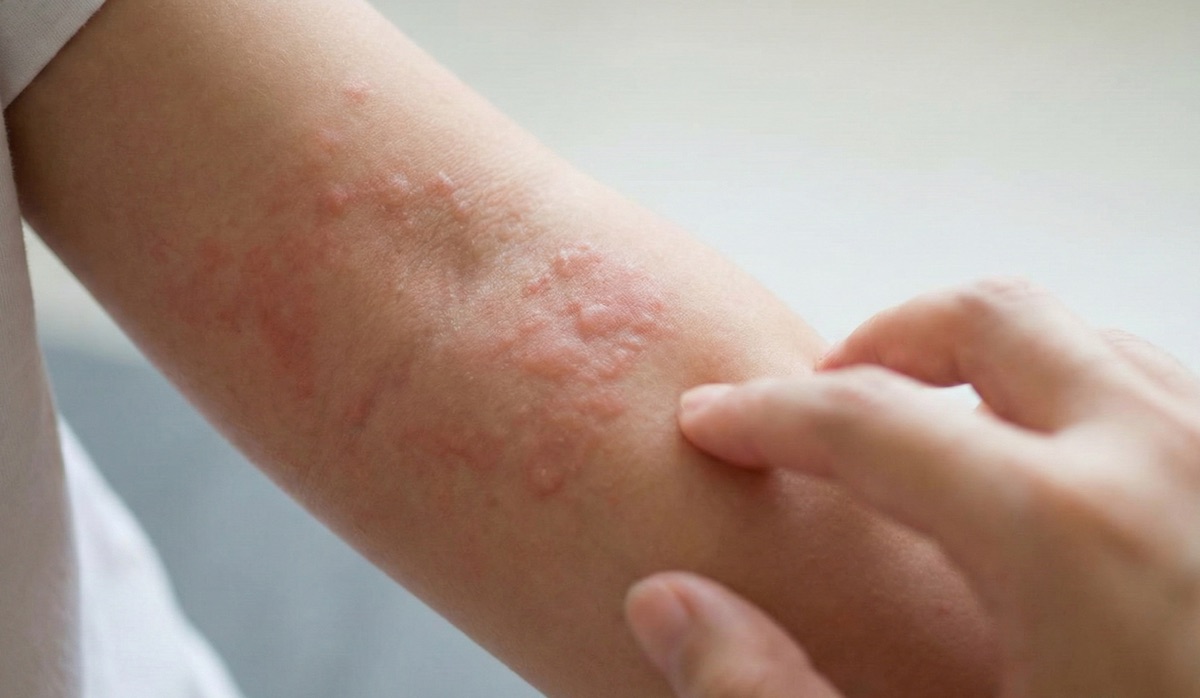
The logic here is about speed. True food allergies are like an unwanted HIIT session for the immune system—fast and intense. If your little one is sensitive, the signs usually scream at you within minutes or up to two hours after that first bite of egg or peanut butter. We are looking for the "big three": skin, stomach, and breathing. Hives, which look like raised red welts, or swelling around the eyes and lips are the most obvious visual cues that something is wrong.
According to the Mayo Clinic, these immediate reactions happen because the immune system mistakenly identifies a food protein as a threat. I've seen this happen at a playground in Tiong Bahru where a toddler shared a biscuit and broke out in spots almost instantly. It sounds straightforward enough to spot right? But when you are in the moment, it is easy to second-guess yourself. "Did he just rub his face too hard?" you might wonder. If it happens right after eating, take it seriously. And if possible, skip feeding at playgrounds altogether.
My adjustment at home is the "One-Food Rule" for the first year. Even though I love complex meal-prepping with five different ingredients, I introduce high-risk foods one at a time. I do this on a Saturday morning when I'm not rushing to the gym or a meeting, so I have the mental space to just watch him. It is a slow process, but it builds that data-driven peace of mind.

Understanding the Singaporean allergen landscape
I used to think peanuts were the main thing to worry about because of all the western health blogs I read. But in Singapore, the reality is a bit different. A study mentioned in The Straits Times highlights that egg is actually the most common food allergen for our kids, followed closely by cow's milk. This is a bit of a friction point for me because eggs are my go-to "clean" protein for quick meals. I was staring at the half-eaten bowl of mashed pumpkin, the discarded bib on the floor while trying to decide if those red spots were heat rash or an egg reaction. The humidity was thick. The air was still. It was stressful.
The practical fix? I started reading labels like a hawk, even for things that seem "healthy." You would be surprised how many things have "milk solids" tucked away in the fine print. I keep a list on my phone of the common names for these allergens so I don't have to think twice while grocery shopping at the basement supermarket. It is about removing the guesswork so I can focus on the fun parts of parenting.

The difference between allergy and intolerance
This is where things get messy. An intolerance is not an allergy. It is a digestive struggle, not an immune system war. If your son gets a bit gassy or bloated after yogurt, it might just be his gut learning to handle lactose. This usually shows up as tummy pain or loose stools rather than hives. It is the difference between a bad workout recovery and an actual injury. One needs a rest day; the other needs a doctor.
The Mayo Clinic explains that milk protein allergy can cause blood in the stool or severe colic, which is much more intense than simple gas. I've seen mums in my WhatsApp group worry that their baby is "allergic" to everything because of a bit of reflux. It is a hard distinction to make when you are tired. But knowing that intolerance won't cause breathing issues helps lower the temperature of the situation. At home, I keep a simple log in my planner. If he is fussy, I note what he ate. Patterns emerge over a week that you would miss in a single day.
Timing is everything for long-term health
I used to think waiting longer to introduce "scary" foods like peanuts was safer. It turns out, that is old school. The current advice from HealthHub is to introduce these allergenic foods between 6 and 12 months. This early exposure actually helps the body learn that these proteins are "friends," not "foes." It is like conditioning your muscles; you start small to prevent injury later. "Are you sure he's ready for peanut butter?" my mother-in-law asked during dinner. I just nodded and told her the science has changed.
The adjustment here is purely psychological. You have to be brave enough to give them that first tiny bit of egg. I do it at home, never at a restaurant or a park, so I have full control over the environment. If there is a reaction, I know exactly what caused it and I have his medical kit ready. Proactive wellness is about calculated risks, not total avoidance.
Knowing the emergency red flags
We have to talk about the scary stuff: anaphylaxis. It is rare, but as the CEO of your family, you need the protocol. If a cough won't stop, if the voice sounds hoarse, or if they seem pale and floppy, that is not a "wait and see" moment. The HealthHub site is very clear that these are life-threatening signs. It is a heavy thing to carry, but being prepared is the ultimate act of self-care. I keep the nearest A&E location saved in my phone's favorites. Hopefully, I will never need it. But I have it.
True wellness is found in the balance between being prepared for the storm and enjoying the sunshine.
Does your kitchen feel like a safe space or a minefield of potential reactions tonight?
If you are ever unsure, a quick photo of the rash can be a lifesaver for your next paediatrician visit. Stay strong, mamas.
Medical Disclaimer: This content is for informational and educational purposes only and does not constitute medical advice, diagnosis, or treatment. Always seek the advice of a qualified healthcare provider or a registered paediatrician in Singapore with any questions you may have regarding a medical condition. Never disregard professional medical advice or delay seeking it because of something you have read on this platform. In the event of a medical emergency, please call 995 or head to the nearest A&E department immediately.
Common Food Allergies in Singaporean Children
- Egg: Currently the most common food allergen in Singapore. Symptoms often include itchy skin rashes, hives (urticaria), or swelling around the mouth.
- Cow's Milk: Frequently linked to both immediate reactions (vomiting, hives) and delayed reactions like chronic eczema, colic, or loose stools containing mucus or blood.
- Peanut: Often causes more severe reactions. Look for immediate swelling of the lips, persistent coughing, or a change in voice/crying tone.
- Shellfish (Prawns, Crab): More common as children grow older and start sharing local "zi char" or seafood dishes. Reactions typically involve skin itching and facial swelling.
- Soy and Wheat: Often found in processed snacks and local noodles. Symptoms are usually milder, such as bloating, skin redness, or an upset stomach.
Symptoms to Watch For
Symptoms are generally categorised by how quickly they appear and which part of the body they affect.
1. Skin Reactions (Most Common)
- Hives: Raised, red, itchy welts that look like mosquito bites.
- Angioedema: Swelling of the lips, tongue, or the area around the eyes.
- Eczema Flare-ups: Sudden worsening of dry, itchy skin patches.
2. Digestive Issues
- Vomiting: Usually occurs within minutes to two hours of ingestion.
- Abdominal Pain: The baby may pull their legs up to their chest or cry inconsolably.
- Diarrhoea: Frequent loose stools, sometimes with blood or mucus in "delayed" allergy cases.
3. Respiratory (Emergency Signs)
Note: If you notice these signs, seek emergency medical attention immediately at the nearest A&E, such as KK Women's and Children's Hospital or NUH.
- Wheezing: A high-pitched whistling sound when breathing.
- Persistent Coughing: A "barking" or continuous cough that doesn't stop.
- Difficulty Swallowing: The child may drool excessively or seem unable to catch their breath.
- Lethargy: The child becomes pale, limp, or unusually drowsy.
References
- HealthHub: Does My Baby Have Allergies?
- The Straits Times: Food Allergies in Singapore Children
- HealthHub: What Are Common Food Allergies?
- HealthHub: Childhood Healthy Diet and Allergens
- Mayo Clinic: Food Allergy Symptoms and Causes
- Mayo Clinic: Milk Allergy Guide
- Mayo Clinic: Egg Allergy in Infants