
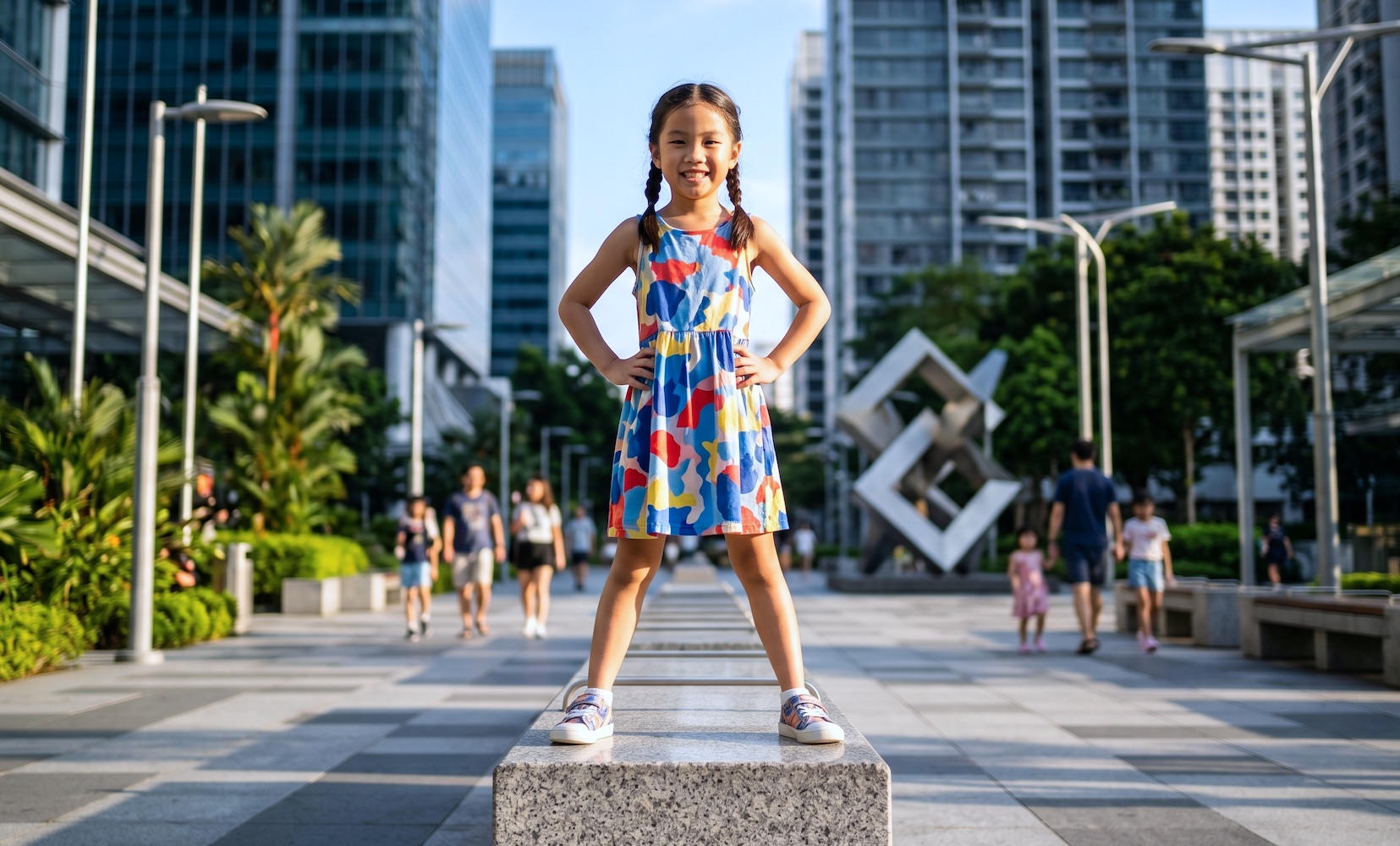
The Lower Primary years (ages 7 to 9) represent a major shift in a Singaporean child's life. Moving from the play-based world of Kindergarten into the structured environment of Primary 1 brings new challenges: homework, spelling tests (Ting Xie), and managing their own pocket money. At this stage, habit building moves toward self-regulation—helping your child transition from "being managed" to "managing themselves."
In this guide, we adapt our 3-stage framework to the unique pressures of the MOE primary school journey. By following this sequence, you can reduce the mental load of parenting and empower your child to lead their own success. Here is the framework we will use for every situation:
Jump to a Lower Primary situation and learn how to build the habit:
- Homework Initiation
- Ting Xie/Spelling Prep
- Managing the School Bag
- Pocket Money Recording
- After-School Hand-off
- Internet Safety Check
- Gaming Exit Strategy
- Social Conflict Script
- Helping Siblings/Peers
- Phone/Text Etiquette
- The Bedroom "Clear-Out"
- Independent Grooming
- Nail & Personal Care
- The "Feelings" Check-in
- Handling Mistakes/Fails
Cluster 1: Academic Focus & Organization
Lower Primary students are expected to take ownership of their learning for the first time. The goal of this cluster is to build study systems that don't require parents to sit over the child for every minute. By automating the "start" and "finish" of study time, we help children develop the stamina they will need as they move toward the upper primary years.
1. Starting Homework Without Nagging
The shift from play to homework is often the biggest stressor in a 7-year-old's day. Resistance happens because the "whole pile of work" feels too large to start. Parents can consider a habit that focuses only on the transition, making the start of study time a physical ritual rather than a mental negotiation.
2. Preparing for Spelling/Ting Xie
Weekly spelling lists are a staple of Singaporean primary schools. Frustration occurs when the child views the list as a boring memorisation task. Parents can design a habit that turns prep into a self-testing game, allowing the child to track their own progress toward the actual test day.
3. Managing the School Bag Independently
By Primary 2 or 3, children should be responsible for their own textbooks and water bottles. When parents do this, the child remains disconnected from their school schedule. Parents can build a logistics habit that makes the evening bag check a prerequisite for rest.

4. Recording Pocket Money/Allowance
Pocket money is a child's first lesson in financial literacy. Without a habit of tracking, they view money as a limitless resource that simply "reloads" every Monday. Parents can design a simple habit that encourages the child to notice where their money goes before it is spent.
5. The After-School "Hand-off"
Returning home from school often results in a "trail of chaos": shoes at the door, bag in the kitchen, and a wet towel on the sofa. This happens because the child is decompressing from a long day. Parents can consider a habit that creates a single "de-brief" zone to keep the home organised without nagging.
Cluster 2: Digital Boundaries & Social Resilience
Between ages 7 and 9, a child's world expands rapidly. They are likely encountering more complex social dynamics in the canteen and, increasingly, gaining access to devices for school-based learning (like SLS) or gaming. This cluster is about building habits that promote digital safety and social empathy, moving beyond "parental policing" toward teaching the child how to set their own healthy boundaries.
6. Internet Safety Check (Before Browsing)
As children start using tablets for schoolwork or weekend games, the temptation to stray into unapproved apps or YouTube rabbit holes is high. A 7-year-old's impulse control is easily overridden by flashy algorithms. Parents can design a habit that serves as a mental pause before the screen turns on, reinforcing digital rules without a lecture.
7. The Gaming Exit Strategy
Stopping a game of Roblox or an iPad session often results in whining or negotiations ("Just let me finish this level!"). This happens because the brain is highly engaged and struggles with sudden stops. Parents can build a habit that uses a warning buffer, allowing the child to transition smoothly out of the digital world.

8. The Social Conflict Script
Lower Primary students often encounter peer conflict, such as a friend taking a pencil without asking or being left out of a game. They may respond by yelling or running to a teacher immediately. Parents can consider a habit that gives the child a verbal shield, teaching them how to assert boundaries calmly before escalating the issue.
9. Helping Siblings or Peers
At age 8 or 9, children can sometimes become overly competitive with siblings or friends, treating every interaction as a race to be "first." Parents can design a habit that shifts their mindset from competition to collaboration, rewarding them for being a helpful leader rather than just a winner.
10. Basic Phone/Text Etiquette
If a child uses a family device to text grandparents or friends, they often send long strings of emojis or demand immediate replies. They haven't yet learned digital empathy. Parents can build a habit that introduces the concept of digital respect before the child eventually gets their own phone.
Cluster 3: Personal Care & Resilience
As children move through Primary 2 and 3, the focus shifts from survival to stamina. They are spending more time away from home and facing higher expectations for their appearance, hygiene, and academic performance. These final five habits are designed to help your child look after their body independently and, more importantly, look after their mind when things don't go according to plan.
11. The Bedroom "Reset" Ritual
Between school projects, hobbies, and growing toy collections, a 9-year-old's room can quickly become a source of stress for the whole house. Resistance to tidying happens because the room feels too messy to fix. Parents can consider a habit that focuses on "resetting" rather than "cleaning," turning a massive chore into a quick daily maintenance task.
12. Independent Grooming (Hair & Presentation)
Morning rushes often involve parents frantically brushing their child's hair while they eat breakfast. This makes the child passive in their own presentation. Parents can design a habit that makes self-grooming part of their "leaving the house" sequence, building the pride needed for school assemblies and class photos.

13. Sunday Nail & Hygiene Check
In Lower Primary, teachers frequently conduct hygiene checks for long or dirty nails. If parents do the clipping while the child is sleeping or watching TV, the child never learns to monitor their own body. Parents can build a habit that turns the Sunday evening wind-down into a "maintenance check," preventing school-day embarrassment.
14. The "High-Low" Feelings Check-in
As the academic load increases in Primary 3, many children bottle up their stress or frustration. They may struggle to articulate why they feel overwhelmed. Parents can introduce a habit that normalises emotional expression, ensuring that the child has a safe, rhythmic outlet for their thoughts every single day.
15. Handling Mistakes (The "Oops" Script)
In a high-achievement environment like Singapore, children can become fearful of making mistakes in their homework or exams. This leads to perfectionism or a refusal to try difficult tasks. Parents can build a resilience habit that celebrates the "correction" process, teaching the child that mistakes are just data points for learning.
Growing Together: Building a Resilient Lower Primary Student
You are doing an incredible job supporting your child through the high-energy, high-growth years of Primary 1 to 3. As the world around them becomes more complex, these habit designs provide a reliable foundation they can lean on. By gently shifting from "managing their day" to "designing their success," you are helping your student build the independence and grit they will need for life. Remember to celebrate the tiny efforts as much as the big results. Every time they pack their own bag or share a "High and Low" moment, they are proving that they are capable, confident, and ready for whatever the school day brings.