
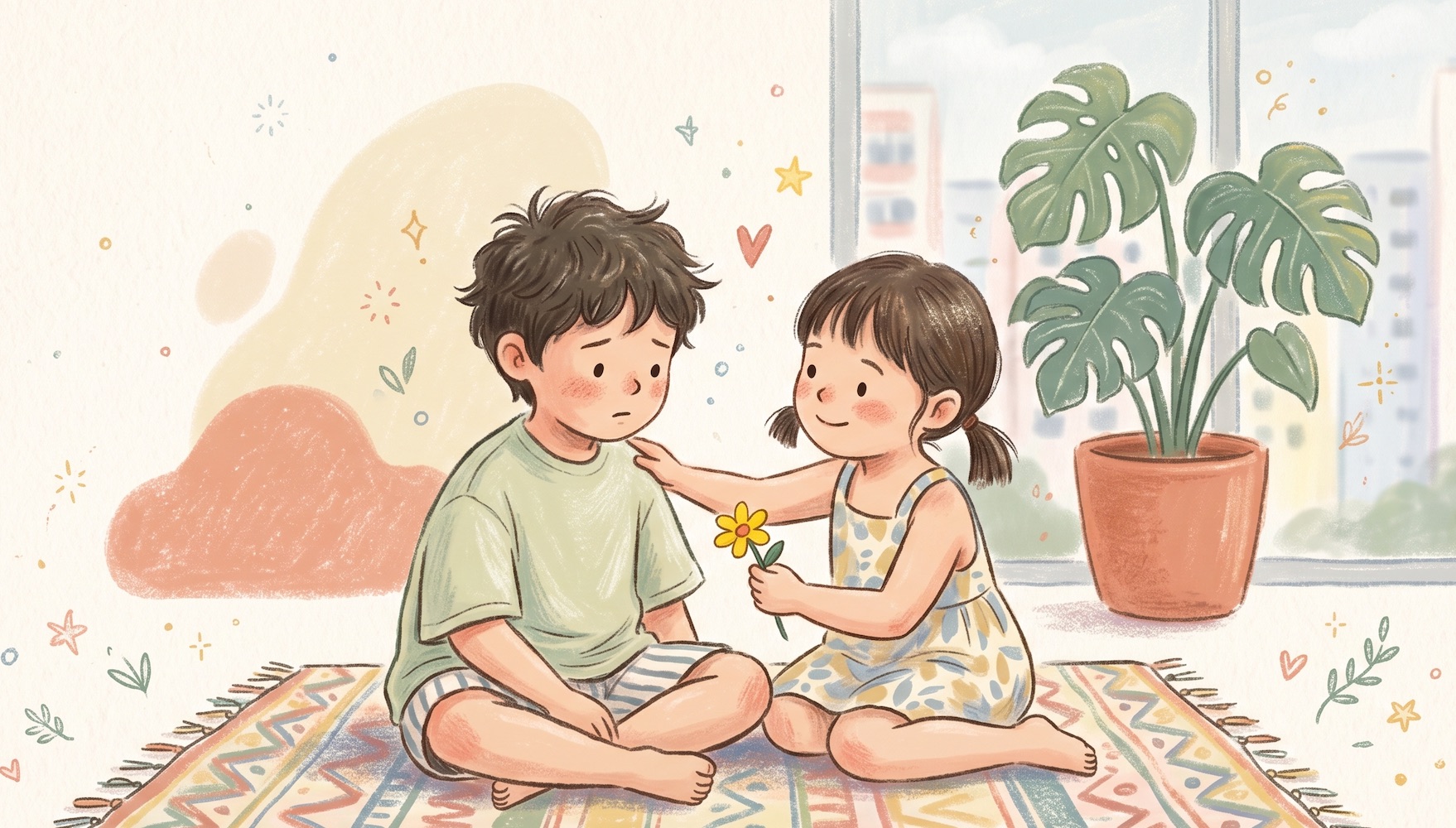
The transition from K2 to P1 is perhaps the first major "culture shock" our young individuals face in Singapore. In the Kindergarten Kickstart phase (ages 4–6), the core emotional focus shifts from simply naming feelings to self-regulation and social integration. It's the age where they learn that while their feelings are valid, their actions must respect the boundaries of a much larger group.
Mastering these emotional milestones is often more important for P1 success than knowing how to read or count. When a child can wait their turn at the canteen, handle a mistake on a worksheet without a meltdown, or solve a playground dispute with words, they are truly "school-ready." We are helping them build the internal braking system they need to thrive in an environment that is less about "me" and more about "we."
Impulse Control & Emotional Regulation
Primary school classrooms are busy places with lots of rules. Teaching your child how to "pause" between a feeling and an action is the cornerstone of self-regulation, ensuring they can stay focused and cooperative even when things don't go their way.
-
The Five-Minute WaitBeing able to wait for a turn or for attention without interrupting, showing they can manage the "itch" of impatience.
-
Self-Directed CalmnessUsing simple tools like "counting to five" or taking a deep breath when they feel frustration rising.
-
Stopping on CommandThe ability to stop a fun activity (like playground time) immediately when told, without a prolonged protest.
-
Hands-to-Self AwarenessKeeping physical boundaries in check, even when excited or upset, by using words instead of pushing or grabbing.
-
Transition ToleranceMoving from one activity to another (e.g., from play to homework) with minimal emotional friction.
Social Dynamics & Peer Interaction
Socializing in kindergarten moves beyond parallel play to collaborative interaction. Your child needs to learn the "give and take" of friendships, which is the foundation for the teamwork and CCA environments they will face later.
-
Collaborative PlayInviting a peer to join a game or asking "Can I play too?" politely instead of just barging in.
-
Reading Social CuesNoticing if a friend looks sad or hurt and responding with a question or a gesture of concern.
-
Verbal Conflict ResolutionUsing "I feel" statements to solve small disagreements (e.g., "I feel sad when you take my pencil") rather than sulking.
-
Losing GracefullyUnderstanding that "it's just a game" and being able to congratulate a winner without a "sore loser" tantrum.
-
Respecting BoundariesAccepting when a friend says "No" or "I want to play alone" without taking it as a personal rejection.
Academic Resilience & Focus
As academic demands increase in K1 and K2, emotional resilience becomes the "engine" that powers learning. A child who isn't afraid to make a mistake is a child who is ready to grow.
-
The "Mistake" MindsetAccepting that erasers are for learning—rubbing out an error and trying again without getting discouraged.
-
Sustained Task FocusCompleting a 15–20 minute task (like a drawing or a simple worksheet) without needing constant adult prompting.
-
Following Multi-Step InstructionsThe emotional focus to listen to three steps and carry them out in order without getting distracted.
-
Asking for ClarificationHaving the confidence to say "I don't understand" or "Can you help me?" to a teacher or parent.
-
Pride in EffortShowing their work to others and feeling a sense of accomplishment for the *work* done, not just the final grade.
Confidence & Self-Identity
This is the age where "Who am I?" begins to take shape. Helping them build a positive self-identity that isn't tied to being "perfect" is the best vaccine against future performance anxiety.
-
Trying New ThingsApproaching an unfamiliar activity (like a new sport or hobby) with curiosity rather than fear of failure.
-
Public Speaking BasicsThe bravery to stand up for "Show and Tell" or answer a question in class, even if they feel a little shy.
-
Identifying Personal StrengthsBeing able to say one thing they are "good at" (e.g., "I am a fast runner" or "I am good at building LEGO").
-
Handling DisappointmentBouncing back relatively quickly when they don't get the sticker, the seat, or the role they wanted.
-
Separation ConfidenceWalking into the school gate or a class without looking back or needing a prolonged goodbye.
Common Challenges & How to Overcome Them
Moving from the "Little Kid" world to "Big School" expectations is a leap. Understanding these typical hurdles helps you coach them through the transition without adding extra pressure.
-
The P1 Orientation "Freeze"
It's very common for children to become clingy or quiet when faced with a large, loud Primary school environment for the first time.
Avoid the "Don't be a baby" talk; instead, visit the school early if possible and "walk through" the routine so the giant building feels like a familiar friend.
-
The "Perfectionist" Meltdown
As they start learning to write and spell, many children get intensely frustrated when their work doesn't look like the teacher's model.
Emphasize that "brains grow when we struggle" and purposely make small mistakes yourself to show them that a mistake is just a piece of information, not a failure.
-
Playground Exclusion Frustration
At ages 5 and 6, social groups begin to form, and being "left out" of a game can feel like the end of the world for a young individual.
Role-play specific scripts at home, such as "Can I be the shopkeeper?" or "Let's play together," to give them the social tools to navigate entry into groups.
The Growth Guide
From toddlerhood to young adulthood—get the holistic roadmap every Singaporean parent needs.
Growth Guide: 1 to 18+ Years