
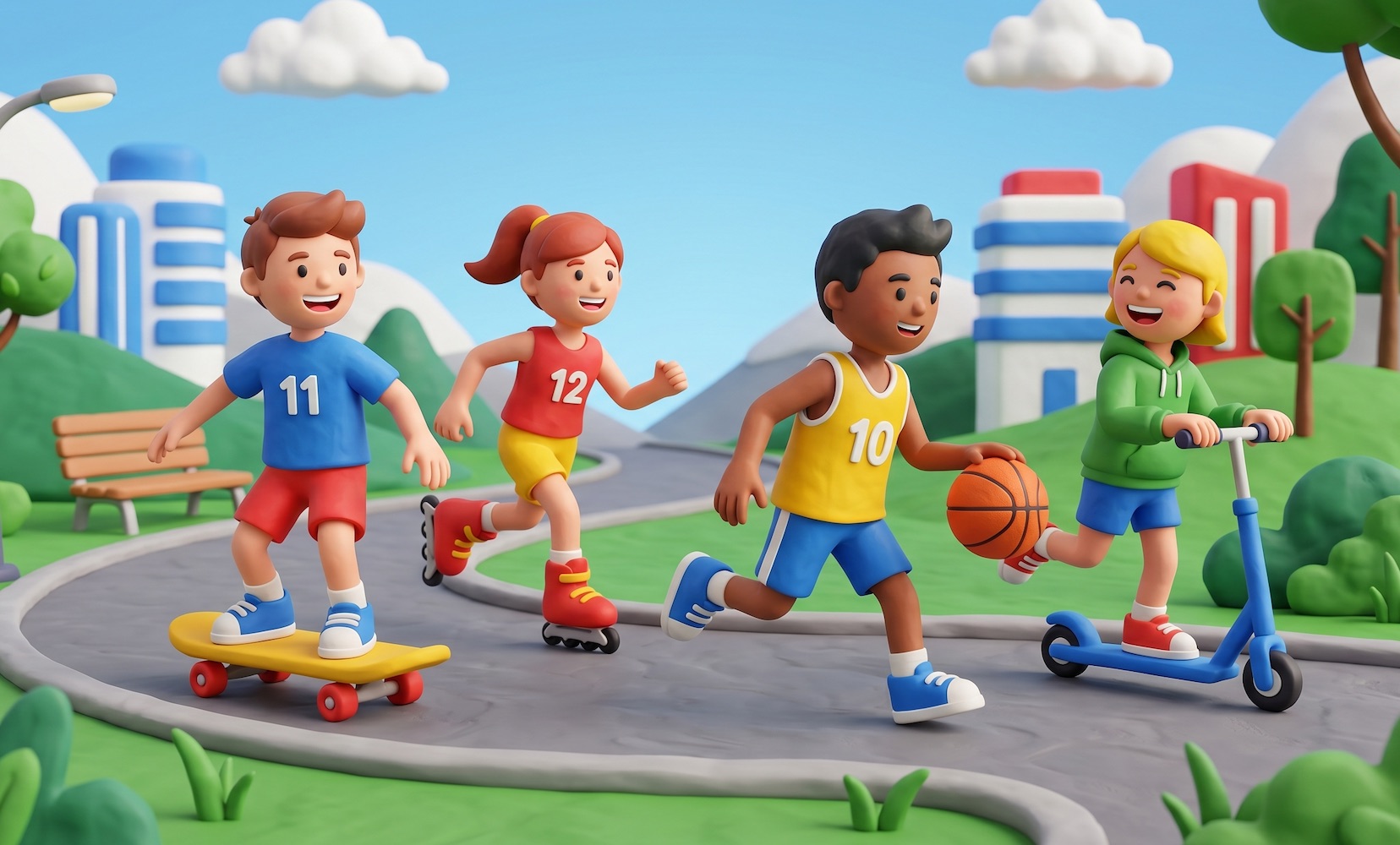
Welcome to the "Growth Spurt" years. For many Singaporean parents, Upper Primary (ages 10–12 / P4–P6) is synonymous with PSLE revision, but physically, your child is undergoing a transformation as significant as their toddler years. This is the bridge to puberty, where hormonal shifts meet high academic pressure. The physical focus here is Body Ownership, Ergonomic Health, and Recovery Stamina.
In a culture that sometimes views physical activity as a distraction from "serious" study, it is vital to recognise that a healthy body is the foundation of a sharp mind. Whether it is managing the sudden clumsiness of growing limbs or protecting their spine during long tuition sessions, these physical milestones are about ensuring your young individual is built for the long-haul of secondary school. Let's make sure their "hardware" is as ready as their "software."
Puberty Awareness & Body Ownership
The first signs of puberty usually appear during these years. Helping your child standardise good hygiene and recognise their changing body with confidence prevents self-consciousness from impacting their daily activity.
-
Personal Hygiene OwnershipIndependently managing daily showers, deodorant usage, and facial skin care without needing a parental "reminder."
-
Proprioception CalibrationNavigating the "clumsy phase" of a growth spurt by engaging in activities that require balance, like cycling or swimming.
-
Body Boundary ConfidenceUnderstanding and asserting their right to physical privacy and personal space as their body matures.
-
Basic First Aid SkillsKnowing how to treat minor sports injuries (R.I.C.E method) or managing a nosebleed or scrape independently.
-
Self-Care During IllnessIdentifying early symptoms of feeling unwell and prioritising rest and hydration before a small cold becomes a burnout.
Ergonomic Health & Spinal Integrity
With P5 and P6 comes a staggering increase in seated work. Protecting your child's posture is essential to prevent chronic pain and maintain the focus required for high-stakes programmes.
-
Proactive Desk ErgonomicsSetting up their own study space to ensure feet are flat, the screen is at eye level, and the spine is honoured with an upright position.
-
The 20-20-20 Visual HabitAutomatically looking 20 feet away every 20 minutes of study—this is their best defence against worsening myopia.
-
Shoulder & Neck MobilityRegularly performing simple stretches to release tension built up from writing compositions or solving maths papers.
-
Bag Weight ManagementConsistently checking their school bag to ensure it does not exceed 10-15% of their body weight, prioritising essential books only.
-
Core Stability MaintenanceEngaging in "active sitting" or floor-based play that keeps the core muscles strong enough to support an upright posture.
Advanced Motor Skills & CCA Excellence
Upper Primary is when CCA (Co-Curricular Activity) commitments intensify. This is the stage to refine specialised physical skills and build the explosive power needed for school-level competitions.
-
Specialised Sport CoordinationMastering complex, multi-step movements specific to their CCA, such as a badminton serve or a football tactical drill.
-
Explosive Power & SpeedShowing improvement in the 1.6km run or NAPFA-style tests, recognising their own physical limits and pushing them safely.
-
Complex Hand-Eye MasteryHandling tools or sports equipment (like a table tennis bat or a musical instrument) with high precision and speed.
-
Water CompetencyAchieving SwimSafer Silver or Gold levels, demonstrating survival skills and stroke efficiency in deep water.
-
Team PhysicalityUnderstanding spatial organisation on a court or field, moving in sync with teammates to achieve a physical goal.
Recovery, Sleep & Nutritional Autonomy
A tired brain cannot retain information. As the academic workload peaks, teaching your child to prioritise recovery is the ultimate life skill for the tertiary years ahead.
-
Strict Sleep RecoveryMaintaining a 9-hour sleep routine, even during exam weeks, recognising that sleep is when the brain "saves" what they've learnt.
-
Complex Carbohydrate ChoicesChoosing brown rice, oats, or wholemeal bread at the canteen to provide sustained "brain fuel" rather than sugary "crashes."
-
Hydration for ConcentrationDrinking 1.5 to 2 litres of water daily, recognising that even mild dehydration drops cognitive performance by 10%.
-
Caffeine AwarenessAvoiding "energy drinks" or excessive bubble tea, understanding how sugar and caffeine impact their sleep and mood.
-
Active Stress ReleaseUsing physical activity (like a quick game of basketball or a swim) as a deliberate way to "de-stress" after a heavy day of tuition.
Common Challenges & How to Overcome Them
The "PSLE Pressure Cooker" often leads to physical neglect. As their "wise peer," you can help them navigate these hurdles without adding to their anxiety.
-
The "Growth Spurt" Clumsiness
Rapid growth in the arms and legs can make previously coordinated kids feel like "clumsy giraffes," leading to frustration in sports or dance.
Reassure them that their brain just needs time to map their new height. Focus on "low-impact" coordination like swimming or yoga to help them find their centre again.
-
Sedentary Burnout
During P6, physical activity is often the first thing "cut" to make time for more assessment papers, leading to weight gain and lethargy.
Don't stop the CCAs. Even 30 minutes of outdoor play releases BDNF (a brain-boosting protein) that actually makes study time more effective. Movement is a study hack!
-
The Late-Night Revision Cycle
Many 12-year-olds stay up past 11 PM to finish work, which leads to "social jetlag" and poor behaviour in class the next day.
Enforce a "Digital Sunset." All devices out of the bedroom an hour before sleep. A rested brain solves a maths problem in half the time a tired one does.
The Growth Guide
From toddlerhood to young adulthood—get the holistic roadmap every Singaporean parent needs.