Stop the exam nagging. Use our framework to encourage revision focus, social resilience, and personal responsibility in P4 to P6 students. Explore practical ways to handle smartphone usage, independent commuting, and exam anxiety through smart environmental design and rewards.
The Upper Primary years (ages 10 to 12) are often defined by a single acronym in Singapore: PSLE. However, this phase is about much more than an exam; it is the transition from childhood into the pre-teen years. At this stage, habit building moves from supervision to partnership. Your child is seeking more autonomy, and the goal is to provide the systems that allow them to handle that freedom responsibly.
In this guide, we use our 3-stage framework to address the complexities of the P4–P6 journey. By shifting the focus to internal systems, you help your child build the stamina they will need for Secondary school and beyond. Here is the framework for this phase:
Stage 1: The SetupDesign a physical cueParents can take the lead by providing the tools or workspace that signals the brain to switch into "ownership" mode.
Stage 2: The ActionPerform a tiny behaviourThe child can perform a small, self-directed movement. We keep it tiny so they can feel in control of their own progress.
Stage 3: The PayoffEnjoy a logical winThe child receives a win that grants more autonomy or comfort. This reinforces the value of being self-reliant.
At a Glance: Phase 4 Habit Guide (10-12 yrs)
Jump to an Upper Primary situation and learn how to build the habit:
As the academic workload peaks in Upper Primary, the biggest risk is burnout caused by constant parental pressure. The goal of this cluster is to move the "engine" of learning inside the child. By building habits that automate the boring parts of organization, we free up their mental energy for deep focus and actual learning.
1. Initiating PSLE Revision Blocks
In the lead-up to PSLE, the sheer volume of revision can lead to "paralysis by analysis"—where the child stares at a pile of past-year papers and doesn't know where to start. Parents can consider a habit that focuses on micro-sessions, making the start of revision feel like a quick task rather than an endless afternoon of work.
Stage 1: The SetupSet the "single-paper" trayParents can place exactly one worksheet or three specific math problems on the desk, hiding the rest of the pile from view.
Stage 2: The ActionStart the 20-minute sprintThe child can set a kitchen timer for just 20 minutes and gets to focus only on the items on the tray.
Stage 3: The PayoffEarn the "movement break"The child receives 5 minutes of total freedom—shooting hoops, a quick snack, or listening to one song—before the next block.
2. Independent Commuting (Bus/MRT)
Many Singaporean parents begin allowing their P5 or P6 children to travel to school or tuition alone. Anxiety occurs when the child feels unprepared for "what-if" scenarios like a missed stop or a faulty EZ-Link card. Parents can design a habit that builds situational awareness, turning the commute into a repeatable, safe routine.
Stage 1: The SetupThe "Go-Bag" checkParents can ensure the child's phone is charged and their EZ-Link card is placed in the same accessible pocket every day.
Stage 2: The ActionSend the "reached" textThe child can send a pre-set emoji or a quick "Reached!" message to the family chat as soon as they step off the bus or train.
Stage 3: The PayoffUnlock "independent trust"The parent acknowledges with a heart emoji, and the child gains the confidence and freedom of navigating their city alone.
3. Smartphone "Check-in" Ritual
Upper Primary is often when Singaporean kids get their first smartphone. Conflict arises when the device becomes an "extension of the hand," leading to late-night scrolling or secret usage. Parents can build a habit that establishes clear physical boundaries for the device, preventing the phone from invading sleep and study time.
Stage 1: The SetupDesignate the "garage" stationParents can place a charging dock in a common area (like the living room), far away from the bedrooms.
Stage 2: The ActionPark the phone at 8 PMThe child gets to physically plug their phone into the "garage" before starting their evening shower or reading routine.
Stage 3: The PayoffEarn "unmonitored" reading timeOnce the phone is parked, the child wins the right to read or relax in bed for as long as they like until lights-out.
Build a habit that establishes clear physical boundaries for the device, preventing the phone from invading sleep and study time. Photo Credit:PARENTS.SG
4. Tracking Homework Deadlines
With multiple subject teachers, a P5 student can have five different deadlines in a single week. Whining and late-night panics happen when the child treats deadlines as surprises. Parents can design a habit that moves the schedule from the teacher's portal into a physical, visible space in the home.
Stage 1: The SetupProvide a "Master Planner"Parents can hang a large whiteboard or monthly desk blotter in the child's study area.
Stage 2: The ActionUpdate the "Top 3" tasksThe child can write down the three most urgent tasks for the week every Sunday evening before school starts.
Stage 3: The PayoffEnjoy a "nag-free" weekThe child gets the immediate win of crossing items off the board and a parent who stops asking if their homework is done.
5. Personal Hygiene & Puberty Care
As hormones shift, 11 and 12-year-olds face new physical realities: body odour, oily skin, and the need for more frequent grooming. Resistance or embarrassment occurs when these changes feel "weird." Parents can consider a habit that normalises body maintenance, integrating it into the existing routine so it feels like a standard part of growing up.
Stage 1: The SetupStock the "pre-teen" kitParents can place deodorant, face wash, and a clean comb in a dedicated caddy in the bathroom.
Stage 2: The ActionApply the "freshness layer"The child can apply deodorant and wash their face immediately after their morning shower.
Stage 3: The PayoffReceive a "looking sharp" nodThe child feels more confident and comfortable at school, avoiding the social stress of body odour or skin concerns.
Cluster 2: Digital & Social Maturity
As Upper Primary students gain more independence, their social lives migrate online. Group chats, social media trends, and peer pressure become significant forces. The goal of this cluster is to build protective habits. Instead of policing every interaction, these routines give your pre-teen a structured way to manage their own boundaries and stress levels.
6. Social Media Boundaries (The "Post Pause")
Pre-teens often post or text impulsively, leading to cyberbullying, misunderstandings, or sharing inappropriate content. This happens because the brain's "reward center" is highly active, seeking immediate likes or laughs. Parents can design a habit that inserts a micro-pause between the impulse and the action, allowing the child's rational brain to catch up.
Stage 1: The SetupTeach the "Grandma Rule"Parents can establish a simple mental filter: "If you wouldn't show this picture or text to Grandma, don't post it."
Stage 2: The ActionTake a 5-second breathBefore hitting "send" or "post" on anything emotional or funny, the child can take one deep breath and apply the rule.
Stage 3: The PayoffMaintain digital freedomThe child avoids the drama of a misunderstood text and maintains the trust required to keep their phone privileges.
7. Managing Allowance (Budgeting)
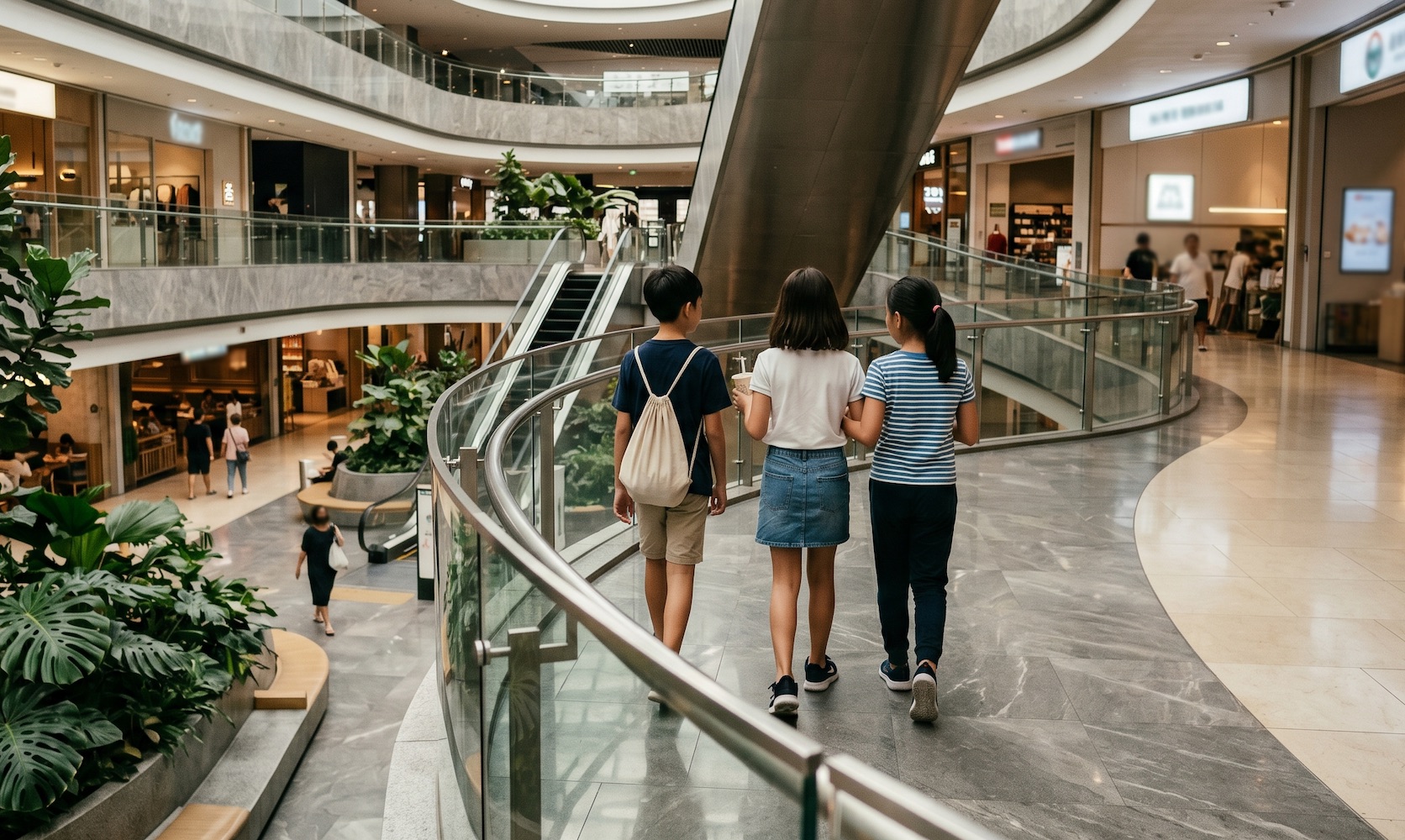
In P5 or P6, children often start taking the bus or hanging out at the mall after school. If parents constantly top up their EZ-Link cards or hand out cash on demand, the child doesn't learn financial foresight. Parents can consider a habit that turns allowance into a predictable, manageable system.
Stage 1: The SetupSet the "Sunday Salary" dayParents can commit to providing the weekly allowance on the exact same day and time (e.g., Sunday after dinner).
Stage 2: The ActionSplit the cashThe child gets to physically divide their cash into two envelopes: "Spend Now" and "Save for Later."
Stage 3: The PayoffEnjoy guilt-free spendingThe child gets to buy that bubble tea after school without asking for permission, feeling financially independent.
Parents can consider a habit that turns allowance into a predictable, manageable system. Photo Credit:PARENTS.SG
8. Managing Exam Stress (The Brain Dump)
The pressure of WA (Weighted Assessments) and the looming PSLE can cause sleep disruption, stomach aches, and irritability. Pre-teens often lack the vocabulary to explain why they feel anxious. Parents can build a habit that provides a physical outlet for their racing thoughts before bedtime.
Stage 1: The SetupProvide the "worry pad"Parents can place a dedicated small notepad and pen on the child's nightstand.
Stage 2: The ActionWrite the 3 worriesThe child can quickly jot down 3 things they are stressed about (e.g., "Math test tomorrow") before turning off the light.
Stage 3: The PayoffClose the book and sleepClosing the notebook signals the brain that the worries are "stored safely" until tomorrow, leading to deeper, faster sleep.
9. Room Maintenance (The Weekly Sweep)
A messy pre-teen room is a classic battleground. By age 11, children view their room as their private domain, and parental nagging feels like an invasion. Parents can design a habit that shifts the responsibility from "doing chores" to "maintaining their personal space."
Stage 1: The SetupSet the "Saturday Sweep" alarmParents can agree on a specific 15-minute window every weekend dedicated solely to room resetting.
Stage 2: The ActionClear the trash and deskThe child can throw away all loose rubbish, put dirty clothes in the hamper, and clear the top of their study desk.
Stage 3: The PayoffEarn the "closed door" privilegeA tidy room earns the child the right to keep their bedroom door closed for privacy without parents checking in.
10. Laundry Responsibility
Leaving uniform shirts crumpled on the floor or expecting fresh PE attire to magically appear in the drawer breeds helplessness. To prepare for secondary school, parents can build a habit that makes the child active in their own logistics.
Stage 1: The SetupProvide a personal hamperParents can place a specific, lightweight laundry basket right inside the child's bedroom door.
Stage 2: The ActionShoot the "laundry hoop"The child gets to toss their dirty uniform directly into their own hamper the moment they change clothes.
Stage 3: The PayoffEnsure clean PE gearThe child learns that clothes in the hamper get washed, meaning they always have their favourite shirt ready for the weekend.
11. Self-Directed Study Breaks
During intense revision periods, children often take "breaks" that involve picking up their phone, which actually drains their mental energy further. They return to their desk feeling more tired. Parents can consider a habit that teaches restorative breaks, helping the child truly recharge their focus.
Stage 1: The SetupCreate a "break menu"Parents can stick a small list of non-screen options (e.g., drink water, stretch, pet the cat) near the desk.
Stage 2: The ActionLeave the study zoneWhen the study timer rings, the child must physically stand up and leave their bedroom for exactly 5 minutes.
Stage 3: The PayoffReturn with fresh energyThe child experiences a genuine mental reset, making the next block of revision feel significantly easier and faster.
12. Managing CCA & Sports Gear
Upper Primary CCAs (Co-Curricular Activities) often require specific equipment (swim goggles, band scores, sports shoes). Morning panics happen when gear goes missing. Parents can build a habit that shifts the responsibility of equipment management entirely to the child, treating them like a real team player.
Stage 1: The SetupDesignate the "gear hook"Parents can install a specific hook or cubby near the front door dedicated only to CCA equipment.
Stage 2: The ActionPack the night beforeThe child can pack their specific CCA bag and hang it on the hook every evening before taking their shower.
Stage 3: The PayoffEnjoy a stress-free morningThe child avoids morning scolding and arrives at their CCA looking professional, prepared, and ready to participate.
Blue light from late-night studying or chatting disrupts melatonin production, making it hard to fall asleep. Photo Credit:PARENTS.SG
13. The Digital Wind-Down (Better Sleep)
Lack of sleep is a major issue for 11 and 12-year-olds. Blue light from late-night studying or chatting disrupts melatonin production, making it hard to fall asleep. Parents can design a habit that creates a hard stop for screens, easing the brain into rest mode naturally.
Stage 1: The SetupSet the "auto-dim" scheduleParents can use device settings to turn on "Night Shift" and block all notifications past 9:00 PM.
Stage 2: The ActionSwitch to analogWhen the screen goes dim, the child must switch to an analog activity (reading a physical book, drawing, or listening to music).
Stage 3: The PayoffWake up with clear focusThe child falls asleep faster and wakes up feeling more alert, avoiding the heavy grogginess of a "tech-hangover."
14. Handling Peer Pressure (Refusal Skills)
Pre-teens deeply fear being left out. If friends want to do something risky (like crossing a road dangerously or teasing a classmate), the child might join in just to fit in. Parents can build a habit that gives the child a pre-planned "out", allowing them to save face while staying safe.
Stage 1: The SetupAgree on the "blame the parents" ruleParents can explicitly tell the child: "If you are uncomfortable, you are always allowed to blame me."
Stage 2: The ActionDeliver the excuseThe child can use a practiced line: "I can't do that, my mom will literally ground me for a month."
Stage 3: The PayoffKeep social standing and safetyThe child avoids the dangerous situation without looking "uncool," protecting both their safety and their social life.
15. Term Goal Setting & Reflection
Relying only on report cards for feedback creates a high-pressure, fear-based environment. Children need to learn how to measure their own progress. Parents can introduce a habit that turns goal-setting into a low-stakes, collaborative chat rather than a formal performance review.
Stage 1: The SetupSchedule the "cafe date"Parents can set a specific date at the start of the school term to visit a favourite cafe for a 1-on-1 chat.
Stage 2: The ActionWrite one personal goalThe child gets to write down just one achievable goal for the term (e.g., "Read 3 books" or "Improve Math by 5 marks").
Stage 3: The PayoffEnjoy the special treatThe child receives a favourite dessert and the empowering feeling of being treated like a young adult who owns their future.
Growing Together: Preparing for the Next Chapter
The Upper Primary years are a time of intense growth, pressure, and discovery. As your child prepares to close the chapter on primary school, your role naturally shifts from being their "manager" to becoming their "consultant." By installing these habit designs, you are equipping them with the ultimate toolset: the ability to self-regulate, plan ahead, and recover from setbacks. Remember that progress at this age is rarely a straight line. There will be forgotten homework and messy rooms, but every time they return to the habit loop, they are building the independence they will need to truly shine in their teenage years.