
You fill a child's love tank through the five love languages—words of affirmation, quality time, acts of service, gifts, and touch—alongside consistent routines, verbal security, and creative outlets like music or reading to build lasting emotional stability and resilience. I've found that when the "tank" is low, everything feels harder. The friction increases. The meltdowns over a missing hair tie aren't really about the hair tie; they're about a need for connection. Addressing this requires a shift from managing their behaviour to nurturing their spirits.

Love isn't a feeling we have; it's a safety net we weave through the boring bits of the day.
The language of the whisper
Words carry a specific weight for my son, especially as he navigates the complexities of primary school. He doesn't need a lecture on "doing his best" when he's tired. He needs the verbal assurance that he is safe and seen, even when things go wrong. The Ministry of Social and Family Development notes that words of affirmation are a core pillar of connection. At the dinner table, a simple "I saw how hard you tried with that difficult sum today" changes the entire energy of the room.
I try to keep these affirmations grounded. No empty praise. Just a steady stream of "I see you" and "You're safe here." It is my way of being deliberate about his peace of mind. Every night before the lights go out, I make sure to whisper one specific thing I appreciated about him that day. The stillness of the room makes the words land deeper.

The comfort of the expected
Routine is often dismissed as boring, but for my daughter, it is her primary source of security. She needs to know exactly what happens after she steps home from school. HealthHub suggests that regular family rituals and predictable schedules create a sense of belonging. But between piano lessons and the grocery run, the "steady rhythm" often feels like a race against the clock with so much to juggle.
"Mummy, is it story time yet?" she asks, her eyes wide as she clutches her frayed "chou-chou" (her smelly pillow). "Just five more minutes, my love," I reply, even as I'm still clearing the dishes. The adjustment I've made is to stop trying to make every night a grand family outing. We find our rhythm in the small stuff: the way we always walk to the nearby park on Saturdays or the way we always have a "wind-down" chat before bed. These are the bricks that build her safety net.
True kindness is found in the patience we show when their tanks are empty and our own are running low.

The safety of a soft toy
Transitions are hard. Whether it's moving from the car to the lift or starting a new term at school, my daughter often feels the friction of change. The MSF Family Assist portal mentions that "transition objects" or comfort items help children feel safe when environments shift. It isn't just for children of divorce; it's for any child facing the "new."
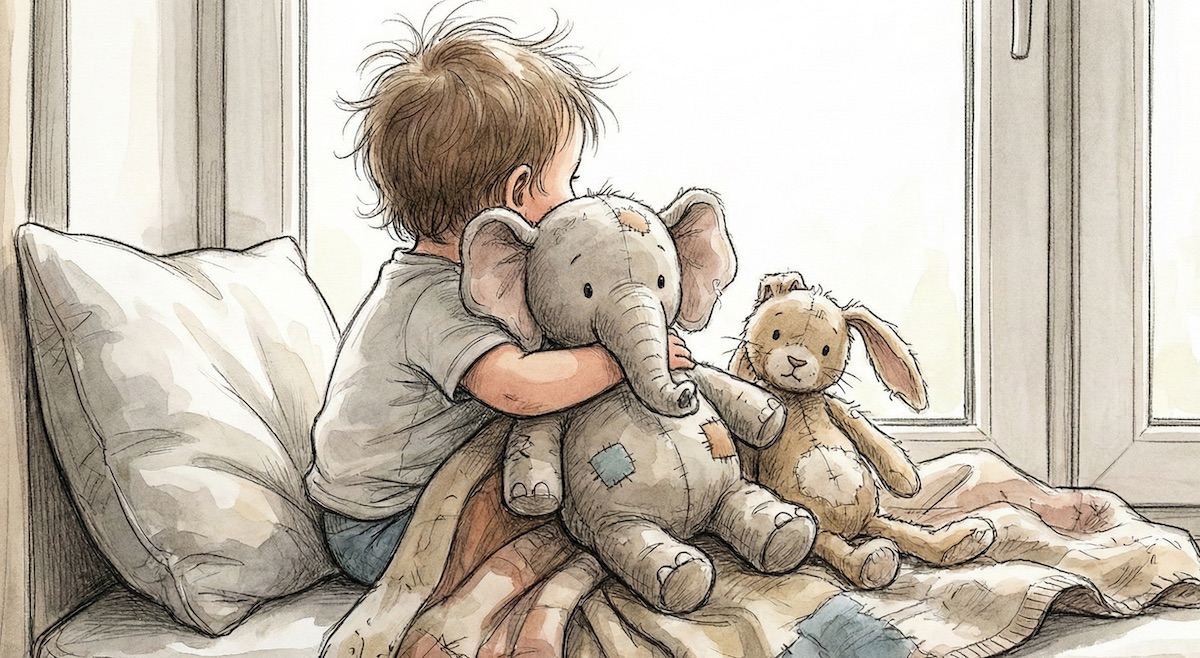
I used to worry she was too old for her "chou-chou", but I've realised it serves a purpose. It's a portable piece of home. When we went to the dentist last week, she gripped it tight while sitting in that big, intimidating chair. I didn't tell her to put it away. I let it be her shield. Providing that permission is its own form of love. It tells her that her feelings are valid and that I will never force her to be "brave" before she is ready.
P.S. Next time you feel the urge to correct their behaviour, try filling their tank first. You might find the "behaviour" was just a cry for a refill.
Love in Action: 20 Ways to Make Your Child Feel Seen and Loved
- Catch your child's eye and offer a small, knowing smile during the morning rush.
- Give a gentle squeeze on their shoulder when you notice they are feeling frustrated.
- Put on their favourite song while they get dressed to set a positive tone for the day.
- Give a specific affirmation by noticing their effort, such as "I saw how hard you tried with that difficult sum."
- Practice the "Bedtime Whisper" by sharing one specific thing you appreciated about them before they sleep.
- Provide verbal security with grounded phrases like "I see you" and "You're safe here."
- Maintain a predictable routine for when they first step off the school bus.
- Dedicate time for a regular story time to build a quiet bond.
- Create simple rituals like a Saturday walk to a local park or through the neighbourhood.
- Hold an evening "wind-down" chat to discuss the best parts of their day.
- Find "nature tokens" to give them, such as a smooth pebble found on the pavement.
- Pick up a small surprise snack from the minimart to show you were thinking of them.
- Tuck a handwritten note or a small heart drawing into their school snack box.
- Place a "secret sticker" on their water bottle or belongings as a quiet reminder of your love.
- Use calming instrumental playlists to help manage high-stress transitions.
- Host a "no-shouting" dance party to release tension when the house feels chaotic.
- Engage in a shared creative project, such as colouring or drawing together.
- Encourage the use of "transition objects" like a soft toy or blanket for comfort.
- Validate their fears by telling them "It is okay to feel nervous" during intimidating moments.
- Offer physical support and touch, such as holding their hand or helping them with small tasks.
References: