
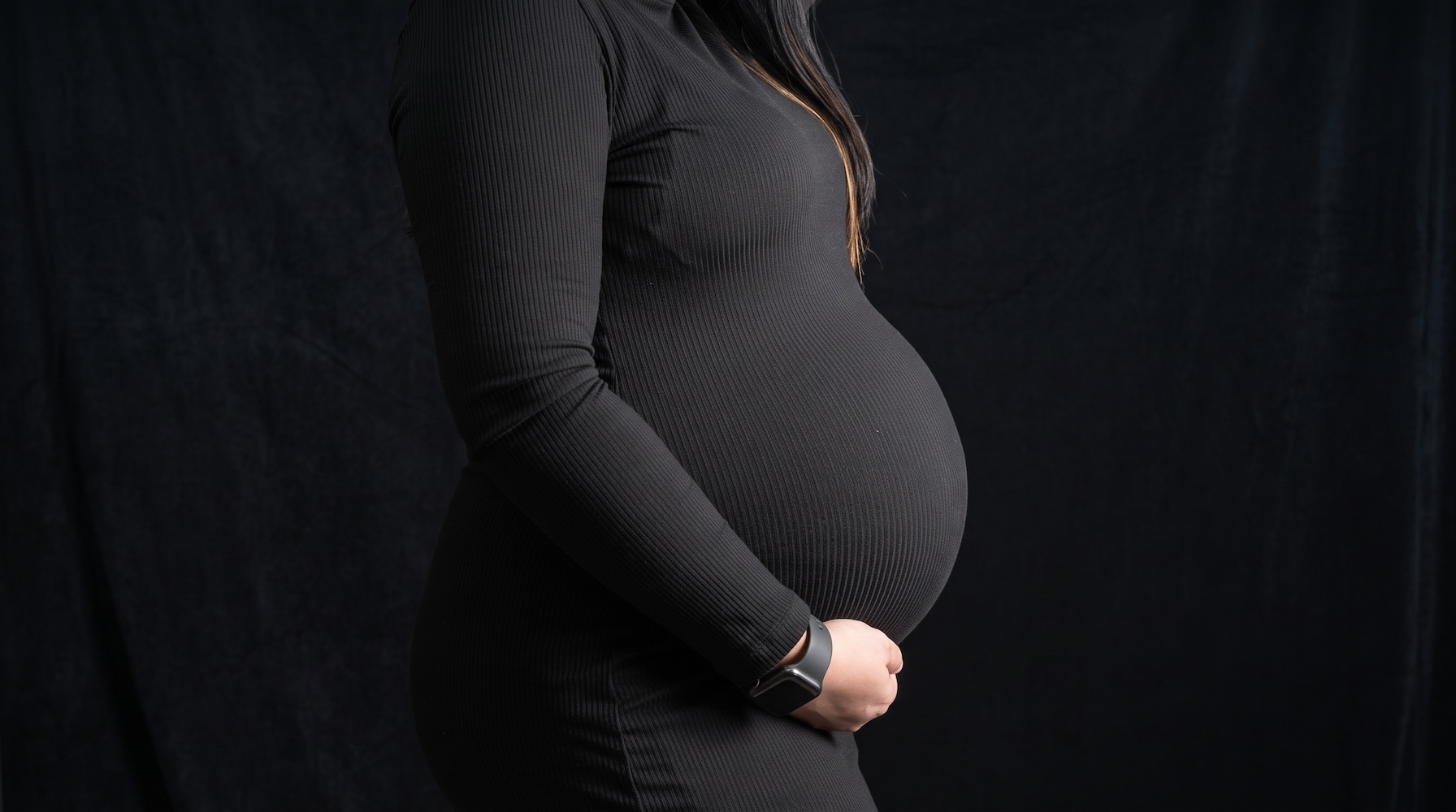
Delivering the judgment, Tribunal Magistrate Lee Li Choon observed that the case uncovers the kind of "adverse workplace culture that working women who choose to have children may encounter from certain employers."
The compensation comprises the maximum allowable three months of gross pay—amounting to S$9,900—alongside an additional S$9,900 awarded specifically for the emotional harm inflicted and aggravating circumstances surrounding the termination.
Glowing Reviews, Yet Pushed to the Fringes
The claimant, identified in court records only as C, joined the organisation as an executive in April 2021. In March 2023, her department came under a newly appointed director, referred to in the judgment as Mr EC. The following month, during an informal lunch meeting, C shared that she was expecting her first child, due in October, and mentioned that she was weighing whether to take sabbatical leave under the company's internal policy to care for her infant.
Despite her upcoming absence, C's formal performance appraisal in July 2023 was exemplary. A co-director, Ms JY, formally evaluated her work between July 2022 and June 2023 as "excellent," praising her "healthy growth mindset" and "an impressive ability to take on multi-disciplinary projects that are outside of her niche." Mr EC concurred with the assessment, affirming that her work was good.
Yet, when company-wide salary increments were rolled out that month, C was quietly excluded.
Medical Complications and Relentless Inquiries
In early September 2023, C submitted an initial maternity leave form, intentionally leaving the start date open because her exact delivery date remained uncertain and she was still evaluating childcare arrangements.
On 13 September, at 36 weeks pregnant, C suffered high blood pressure and acute pregnancy-related complications, requiring immediate hospitalisation. She informed human resources that she had been placed on hospitalisation leave that would run continuously until delivery.
Rather than granting her the space to recuperate, her new superior pressed for contact. By mid-September, Ms JY had quietly cautioned C that Mr EC was not keen on having her resume duties. On 2 October, Mr EC reached out requesting a discussion "regarding the plans after."
Though C explained that she wanted to protect her health and keep her mind off work, she eventually relented to a phone conversation on 4 October 2023. Her husband recorded the entire exchange.
The Recorded Call: "Cleaner to Terminate"
The recorded conversation served as pivotal evidence before the tribunal. During the call, Mr EC told C:
"So I think the long story short is that I have not had a chance to see during our time working together the value that you can bring to the new vision of the team that I'm envisioning."
He then proposed removing her once her statutory leave concluded:
"My preference which I would like to discuss with you, is that I feel it would be cleaner to terminate after the maternity, right, rather than leave things up in the air, and so that you can also be fully focused on your family time, like, you know, not having to worry about that rearrangement at that point."
Mr EC suggested that if she wished to rejoin down the line, she would have to undergo re-assessment and hope an opening existed, offering to "try to see what I can do to help, you know, help you get more opportunities."
The firm argued at the tribunal that the director was merely attempting in good faith to clarify her sabbatical plans. Magistrate Lee rejected this defence entirely, finding no urgent operational necessity that warranted intruding upon an employee on medical bed rest. More critically, Ms JY testified that Mr EC had already resolved weeks earlier to let C go.
Tribunal Condemns "Degrading" Treatment
Magistrate Lee noted that C's demonstrated track record sharply contradicted the sudden claim that she did not align with the team's direction. The actual motivation, the tribunal ruled, was C's impending "hiatus"—a temporary absence resulting from legitimate medical and maternity leave.
Under employment regulations, both hospitalisation and maternity leave represent non-negotiable statutory entitlements. Penalising or discarding an employee for utilising them amounts to unlawful discrimination.
Condemning the company's conduct, Magistrate Lee emphasised that C was informed of her termination in a manner that was "both degrading and deeply insensitive." The employee was effectively sent the message that she was "not worthy of continued employment simply because she was giving birth and going on maternity leave."
Magistrate Lee noted:
"This would have caused her tremendous anxiety about her financial situation and job security during an exceptionally vulnerable period in her life."
C gave birth on 11 October 2023 and submitted her resignation in late December under constructive dismissal conditions, citing the untenable circumstances. Following the ordeal, she struggled to secure equivalent flexible work within her niche sector.
The tribunal's decision delivers an unequivocal warning: shrouding pregnancy discrimination in subjective corporate jargon like "team vision" will not survive judicial scrutiny, nor will it insulate employers from substantial financial penalties.
Source: SG Courts