
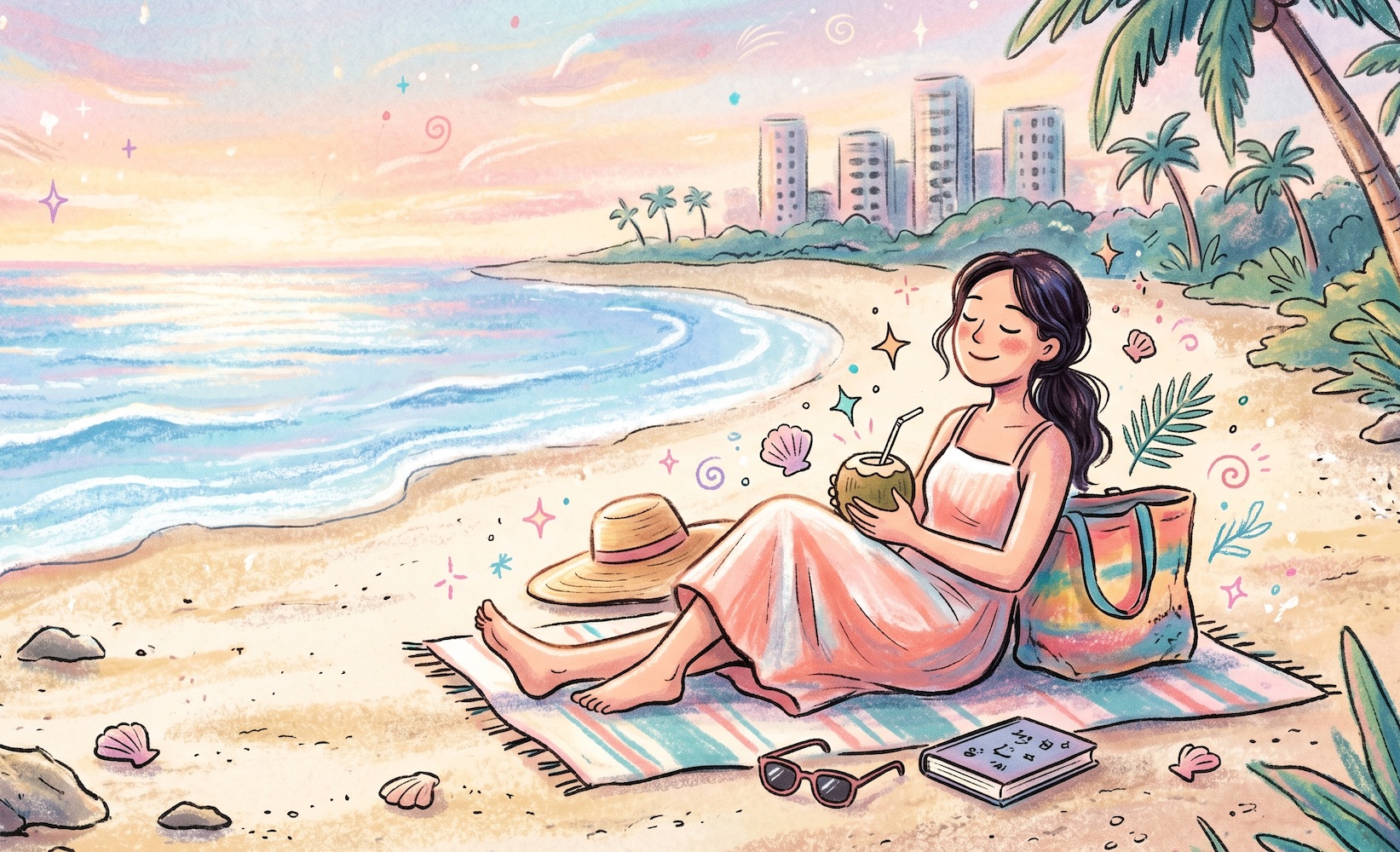
Sometimes I find myself scrolling through PropertyGuru at 2 AM for a tiny studio in Balestier. Just for me. No "Mummy, where is my spelling list?", no husband asking what's for dinner, and no domestic helper asking for instructions. I imagine a life with just a kettle, a single bed, and absolute silence. I love my kids, but the mental load is suffocating. I feel so guilty that my happiest daydreams involve a life where my family doesn't exist. Is it normal to want to disappear into a small box alone?
The weight of being everything to everyone
Dear Exhausted, first, let me pull up a chair and tell you that you are far from alone. In the pressure-cooker environment of Singapore, where we juggle high-octane careers, the "kiasu" parenting culture, and the "sandwich generation" squeeze, that tiny studio apartment isn't just a physical space—it is a mental sanctuary. You aren't dreaming of abandoning your children; you are dreaming of reclaiming a self that has been eroded by a thousand daily demands. This fantasy is a survival mechanism, a way for your brain to seek "sensory rest" from the constant noise of being needed.
To move forward, we must stop viewing this daydream as a moral failing. Instead, see it as a very loud alarm bell from your internal system. When the fantasy of isolation becomes more attractive than your reality, it's a sign that your current "load" is unsustainable. The goal isn't necessarily to move out, but to find a way to stop being a "service provider" in your own home 24/7. We need to shift the perspective from "I want to leave them" to "I need a space where I am not a mother, wife, or daughter-in-law."
Actionable steps to reclaim your space
1. Implement a "ghost hour" weekly
Carve out three hours every Saturday or Sunday where you are officially "not in the country." Leave the house without your children or spouse. Go to a quiet library, a boutique cinema, or a random cafe in a neighbourhood where no one knows you. The key is to be in a space where no one can physically touch you or ask you for a snack. This provides the "solo" experience without the permanent lifestyle change.
2. Audit and automate the mental load
The "Invisible Load" is often what drives the desire to flee. Sit down with your spouse and list every recurring task—from buying school shoes to booking dental appointments. Use apps like OurHome or Trello to delegate tasks. If you can afford it, outsource. Use grocery delivery subscriptions or hire a part-time cleaning service once a month for "deep cleans" so you aren't managing the helper or the housework constantly.
3. Create a physical "no-fly zone" at home
If you have a spare corner or even just your side of the bed, make it a sacred space. Buy high-quality noise-cancelling headphones. When the headphones are on, the family must learn that unless there is fire or blood, you are unavailable. It trains your family to respect your boundaries and gives you a "micro-studio" vibe within your own HDB flat.
4. Book a solo "refueling" staycation
Once every six months, book a one-night stay at a local boutique hotel—alone. Use this time to decompress, sleep in, and eat whatever you want. This acts as a "pressure release valve." It proves to your brain that you can have "solo time" without needing to blow up your entire life to get it.
5. Redefine your identity beyond "mummy"
Sign up for a class or hobby that has absolutely nothing to do with parenting or your career. Whether it's a pottery class in Jalan Bahar or a muay thai gym, find a place where you are just "yourself." Having an identity that isn't tied to being a caregiver reduces the feeling that you are being "consumed" by your family.
The "what not to do" checklist
-
Don't suffer in silenceKeeping these feelings bottled up because of "parental guilt" only leads to explosive resentment. Your spouse cannot help you carry a load they don't realise is heavy.
-
Don't make impulsive financial commitmentsAvoid the urge to actually sign a secret lease or spend your savings on an "escape hatch" in the heat of a burnout episode. Decisions made in "flight mode" are rarely sustainable.
-
Don't compare your life to "perfect" socialsAvoid doom-scrolling through influencers who seem to handle five kids and a business with ease. Their "perfect" lives are curated; your struggle is real and valid.
-
Don't blame the childrenRemind yourself that your frustration is with the system of your life, not the children themselves. Blaming them only deepens the guilt-shame cycle.
-
Don't ignore physical symptomsIf your desire to disappear is accompanied by chronic insomnia, loss of appetite, or constant crying, don't just "try harder." These are signs of clinical burnout or depression.
A reality check for the soul
The fantasy of the solo apartment is beautiful because it is curated. In the daydream, there are no bills, no lonely Friday nights, no plumbing issues, and no one to care for you when you are sick. Real life is messy, whether you are in a 5-room flat or a 400sqft studio. However, the fact that you are dreaming of it means your soul is gasping for air. You don't need a new life; you need a version of your current life that allows you to breathe. You are allowed to be a person first and a parent second.
Support resources in Singapore
-
Located in every HDB town, FSCs provide a safe space to talk to social workers about parenting stress and mental well-being.
-
Offers specialised counselling services for individuals and parents struggling with burnout and emotional regulation.
-
If the "desire to disappear" feels less like a daydream and more like a crisis, their 24-hour hotline is available at 1767.
-
Provides resources and workshops specifically for marital communication and managing the stresses of modern parenthood.
-
Offers online and in-person counselling sessions to help parents navigate the "invisible load" and personal identity crises.