The Chinese Bamboo Tree: The Reality of Latent Growth
Far away in the terraced hills of East Asia, farmers cultivate a plant that defies the standard laws of agricultural expectation: the Chinese bamboo tree. To the untrained observer, watching a farmer tend to a newly planted bamboo seed looks less like agriculture and more like an exercise in pure, irrational faith.
Once the seed is placed in the soil, the farmer must return to that exact patch of earth every single day. He must haul water, clear away choking weeds, and carefully apply fertiliser. He does this through the blistering heat of the first year. He looks down, and the ground remains completely bare. Not a single green shoot breaks through the dirt.
The second year arrives. The farmer continues his daily layout of labor—watering, weeding, fertilising. Again, nothing happens. The third year passes, and then the fourth. For forty-eight consecutive months, the farmer pours his life, his sweat, and his finite resources into a patch of soil that gives him absolutely zero visual confirmation that his investment is alive. To his neighbours, it looks as though he is watering a graveyard of failed potential.
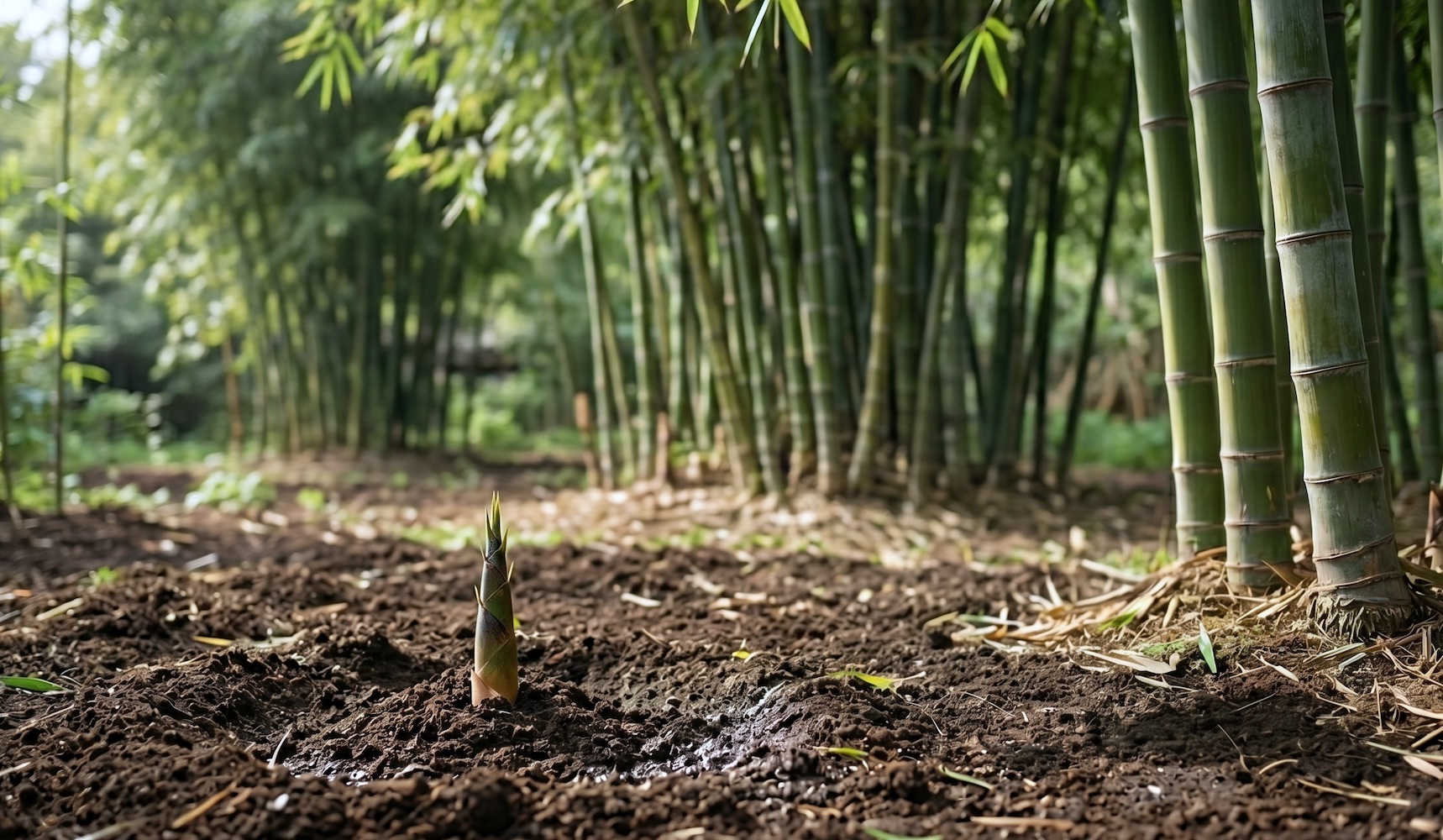
Then, the fifth year arrives. Suddenly, five years after the seed was first buried, a tiny green tip pierces the topsoil. What happens next sounds like a myth: within six weeks, the Chinese bamboo tree shoots upward, climbing to a staggering height of eighty feet. The plant grows so aggressively that you can actually hear the stalks cracking and expanding in the mountain air.
The question we must ask is this: Did the bamboo tree grow eighty feet in six weeks, or did it take five years of unceasing, invisible work to build the massive, deep-set root network required to sustain that sudden explosion of life?