
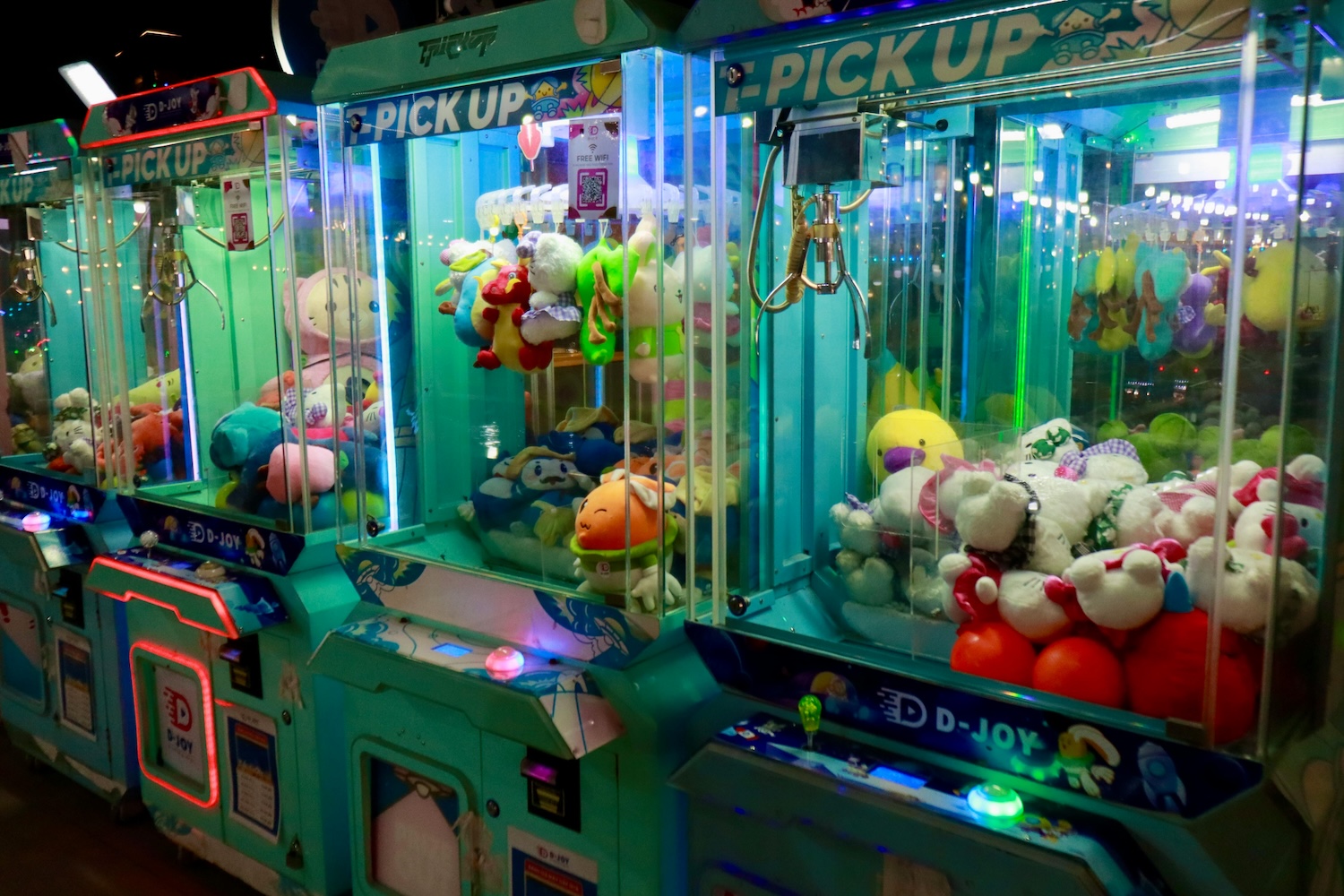
I was at Nex last Sunday, watching the neon lights flicker and the teenagers crowd around those plastic cubes while my own children tugged at my hem with a desperation that felt both frantic and deeply expensive. It is draining. My nine-year-old was staring at a specific Labubu box with a look usually reserved for religious icons. It is exhausting to keep saying no when every shopfront seems to have a glowing machine waiting to swallow your five-dollar notes.
Is it really just about the toy?
The click of the plastic. The bright, saturated colours of the packaging. The mystery of what is hidden inside that cardboard shell creates a chemical spike in a child's brain that is very hard for their still-developing impulse control to fight. It is not just a toy. It is the "maybe" that keeps them hooked. This variable reward system mimics how adults get stuck on slot machines. Truth be told, that works on us too sometimes.
There is also the social side. My daughter, who is seven, told me all the girls in her primary school class are trading these little figurines during recess. If you do not have the "secret" edition, you feel left out. It is a currency. A way to belong in the playground hierarchy. It is less about the object and more about the status it provides in the canteen.
What if this isn't about greed?
The sticky floor of the arcade. The smell of ozone from the machines. The crushing weight of a claw that let go just a second too early. We see a waste of money, but we can choose to see a low-stakes lesson in disappointment. Better they learn that the "house always wins" with a five-dollar coin now than with a credit card when they are twenty-five. We are not just buying plastic; we are buying a conversation about value and marketing tricks. It is a reality check.

How can we stop the constant begging?
1. The Token Allowance
Give them a fixed number of tokens for the month. Once they are gone, they are gone. No "just one more." This forces them to walk past ten machines and really think about which one is worth their limited shot. It builds a sense of ownership over their choices.
2. The Carousell Reality Check
Open the Carousell app together. Show them that the "rare" toy they want is being sold for twenty cents by fifty different people. Seeing the lack of resale value helps break the spell of it being a "treasure." It is just mass-produced resin.
3. The 24-Hour Cooling Period
If they see a new blind box series at a Pop Mart vending machine, make a pact. They can't buy it immediately. They have to wait a full day. Often, by the time we have walked to the bus interchange and gone home, the "must-have" feeling has faded into a "don't really care."
4. Earning the "Chase"
Tie the blind box to a specific goal. Not just "being good," but something like finishing a whole week of spelling practice without a fuss. It turns the toy into a milestone rather than a random handout. The effort makes the result feel more earned.
5. The Visual Diary
Take a photo of the toy in the machine or the box on the shelf. We have a folder on my phone called "Cool Things We Saw." Often, just having the image is enough to satisfy that "I want to own this" itch. It keeps the memory without the clutter.
What happens when the claw drops the toy?
We are all just trying to help them grow up without being sucked into every marketing trap that comes their way. It is a long game. The next time your child's face crumples because the claw slipped or the box held a duplicate, look at their eyes instead of the machine. Are they sad about the toy, or are they just learning how it feels when life doesn't give us exactly what we want?