
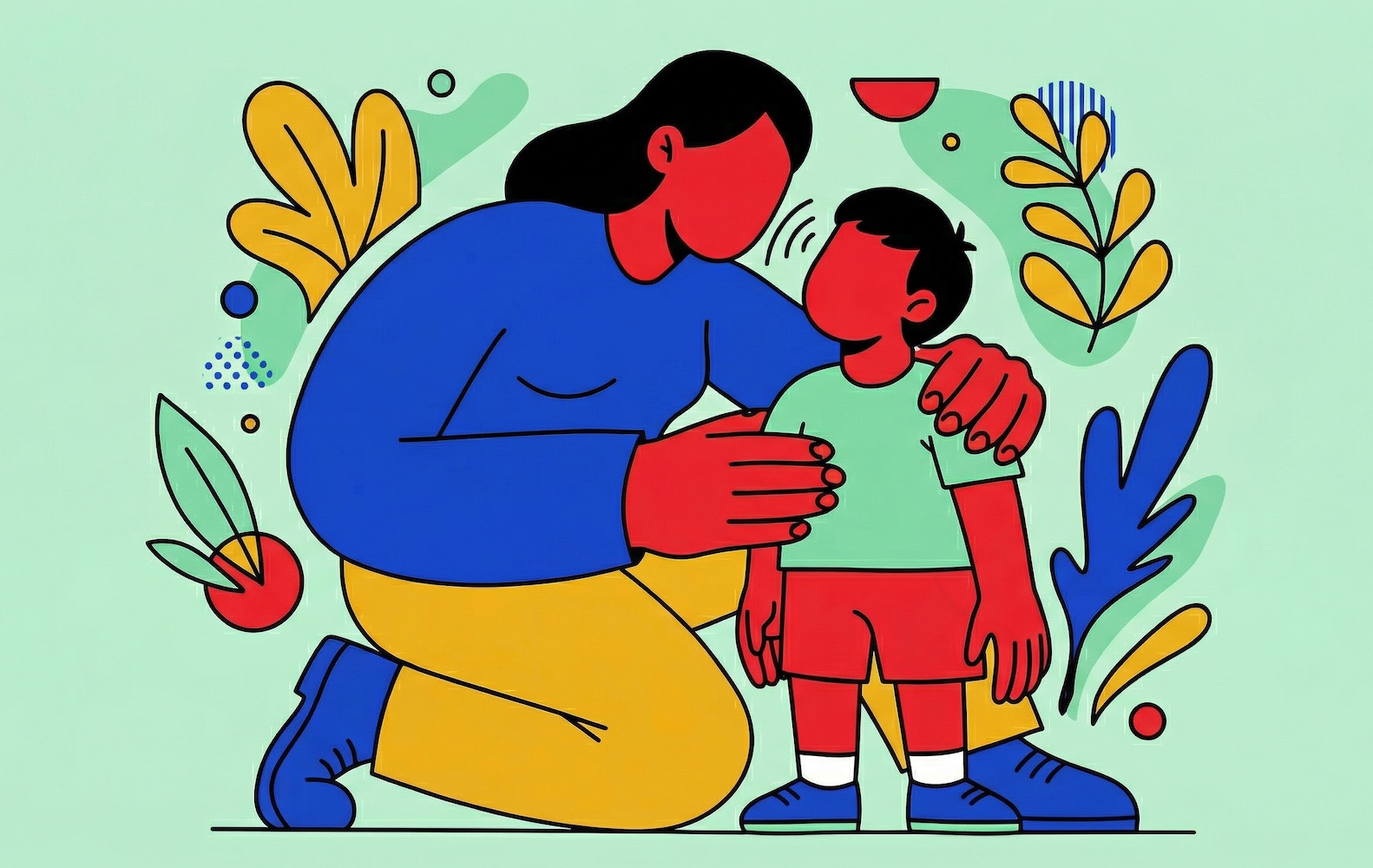
The pressure to "fit in" can be overwhelming. Whether it's a group of friends wanting to skip a remedial class, share inappropriate content online, or play a prank that feels mean-spirited, our children often find themselves in situations where their internal "alarm bells" are ringing.
As parents, our goal isn't just to tell them what to avoid, but to equip them with the social scripts and the internal confidence to stand their ground. Here are the three most important perspectives we should maintain as we teach them this vital life skill.
1. Boundaries are an Act of Self-Respect
In our culture, we often place a high value on social harmony and "giving face." While these are important traits, we must ensure our children understand that harmony should never come at the expense of their personal safety or integrity. Teaching a child to say "no" is ultimately about teaching them that their feelings and boundaries are valid.
When a child learns to set boundaries early, they are developing a core sense of self-respect that will protect them throughout their adult lives. It moves them from being passive participants in a group to active individuals who can make decisions based on their own moral compass. We want them to know that a true friend will respect a "no," even if they don't fully understand it.
2. Provide the "Parental Out"
Sometimes, the social cost of saying "no" feels too high for a child. They might fear being called "boring" or "weak." As parents, we can offer ourselves as the perfect "scapegoat." By giving our children permission to blame us for their refusal, we provide them with a socially acceptable way to exit a high-pressure situation without losing status among their peers.
Encourage your child to use phrases like, "My dad checks my phone every night," or "My mum is super strict about where I go after school." This "Parental Out" acts as a safety net. It allows the child to stick to their boundaries while shifting the social friction onto us. It is a powerful tool for maintaining both their integrity and their friendships.
3. Normalise the "Gut Feeling"
Children often experience physical sensations—a tight tummy, a racing heart, or a feeling of "wrongness"—before they can intellectually process that a situation is bad. In Singapore's fast-paced environment, we often teach kids to ignore their feelings to focus on tasks. However, in social situations, that "gut feeling" is their most important survival tool.
We must teach our children to listen to these internal signals. If a situation feels "weird" or "dodgy," that is enough reason to leave or say no. By validating these physical cues, we help them build a reliable internal compass. We want them to trust themselves more than they trust the loudest person in the room.