
As parents in bustling Singapore, we often find ourselves reaching for the most convenient options to fill our children's snack boxes or to quiet a mid-afternoon tummy rumble. It's a familiar scene at the local supermarket: aisles of colourful packaging promising "milk goodness" or "wheat energy," making it easy to forget that these are often treats rather than fuel. While a biscuit here and there is part of a happy childhood, being aware of what lies beneath the wrapper is vital for our little ones' long-term health and energy levels.
Navigating the nutritional minefield requires a bit of a "detective's eye." High sodium, hidden sugars, and saturated fats can contribute to sluggishness and more serious health concerns like childhood obesity or early-onset diabetes. By understanding which snacks are the "healthiest of the unhealthiest," we can make better choices at the checkout counter, ensuring our kids enjoy their treats without compromising their growing bodies. Let's look at some of the most common culprits found in our local pantries.
10 Popular Snacks to Watch Out For
1. Chocolate Sandwich Cookies with Cream Filling

These cream-filled biscuits are a staple in many Singaporean households, often marketed with a specific dipping ritual that kids adore. However, these biscuits are essentially a combination of refined flour, high amounts of processed sugar, and palm oil. The lack of any significant fiber or protein means the energy they provide is fleeting, leading to sugar crashes shortly after consumption.
We recommend strictly limiting these because just three cookies contain roughly 14 grams of sugar. For a young child, this is nearly half of their daily recommended sugar intake in one sitting. Furthermore, the inclusion of "alkalised" cocoa and artificial flavourings adds little nutritional value, making them a high-calorie snack with minimal benefit for a developing child.
2. Instant Dry Noodle Snack

A nostalgic favourite for many parents, pre-seasoned dry noodle snacks remain a popular "crunchy" option in school bags across Singapore. While the convenience of a dry noodle snack is undeniable, it is essentially deep-fried dough seasoned with a heavy dose of flavour enhancers. The branding might use friendly mascots, but the sodium levels are anything but.
The primary concern here is the seasoning packet, which is often loaded with Monosodium Glutamate (MSG) and excessive salt. Excessive sodium intake in children can lead to a preference for salty foods later in life and puts unnecessary strain on their developing kidneys. Since these noodles are fried, they also carry a high load of empty calories from fat.
3. Printed Biscuits with Chocolate Filling
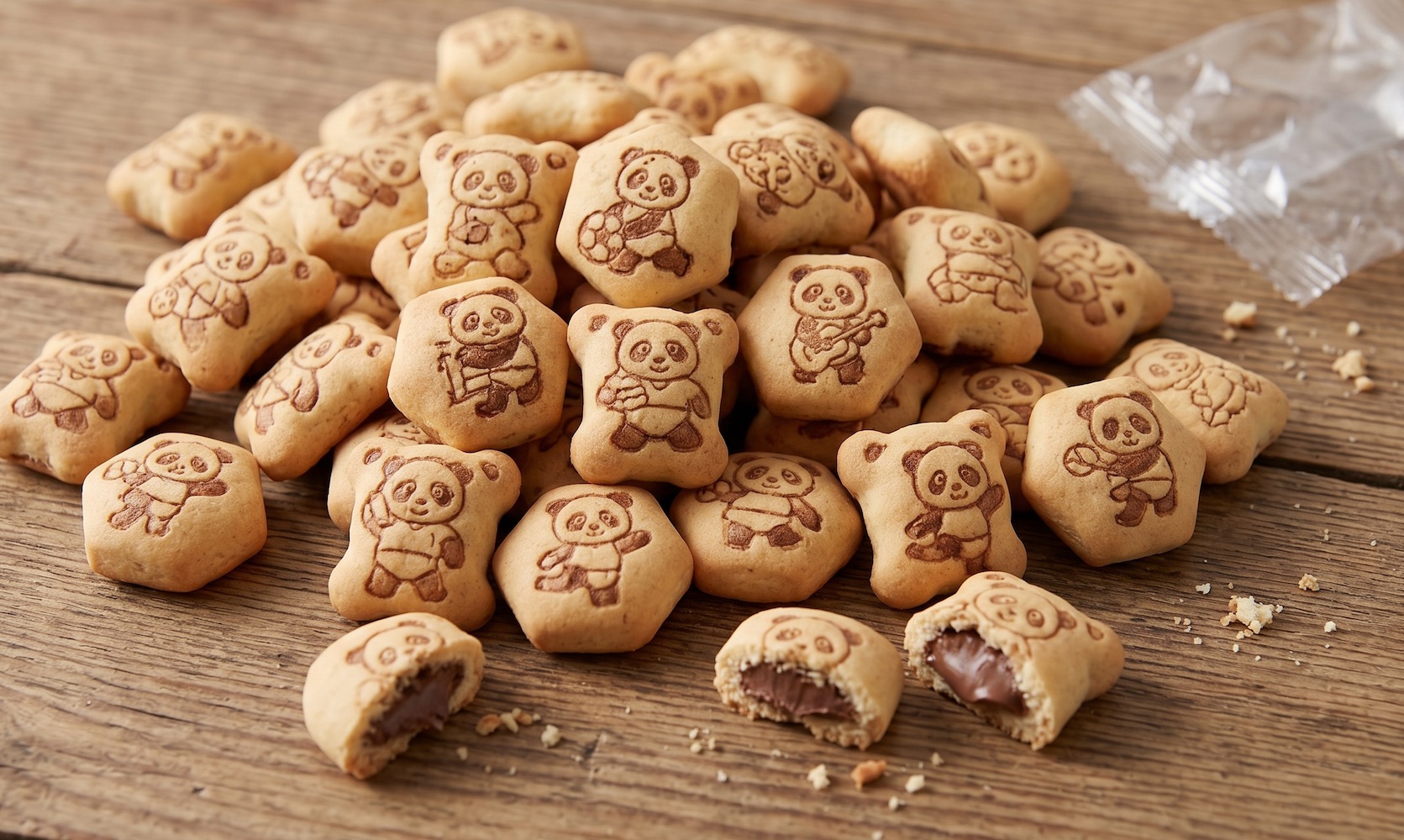
The cute animal prints on these biscuits make them an instant hit with preschoolers. While the biscuit shell is relatively light, the chocolate cream filling is the nutritional downfall. These small bites are designed to be eaten in large quantities, making it very easy for a child to consume a whole box in minutes.
The filling is primarily made of vegetable oils and sugar rather than actual dairy or high-quality cocoa. This results in a snack that is high in saturated fats, which is not ideal for heart health even at a young age. Without any fiber to slow down digestion, these biscuits provide a sharp spike in blood sugar levels.
4. Prawn-Flavoured Crackers
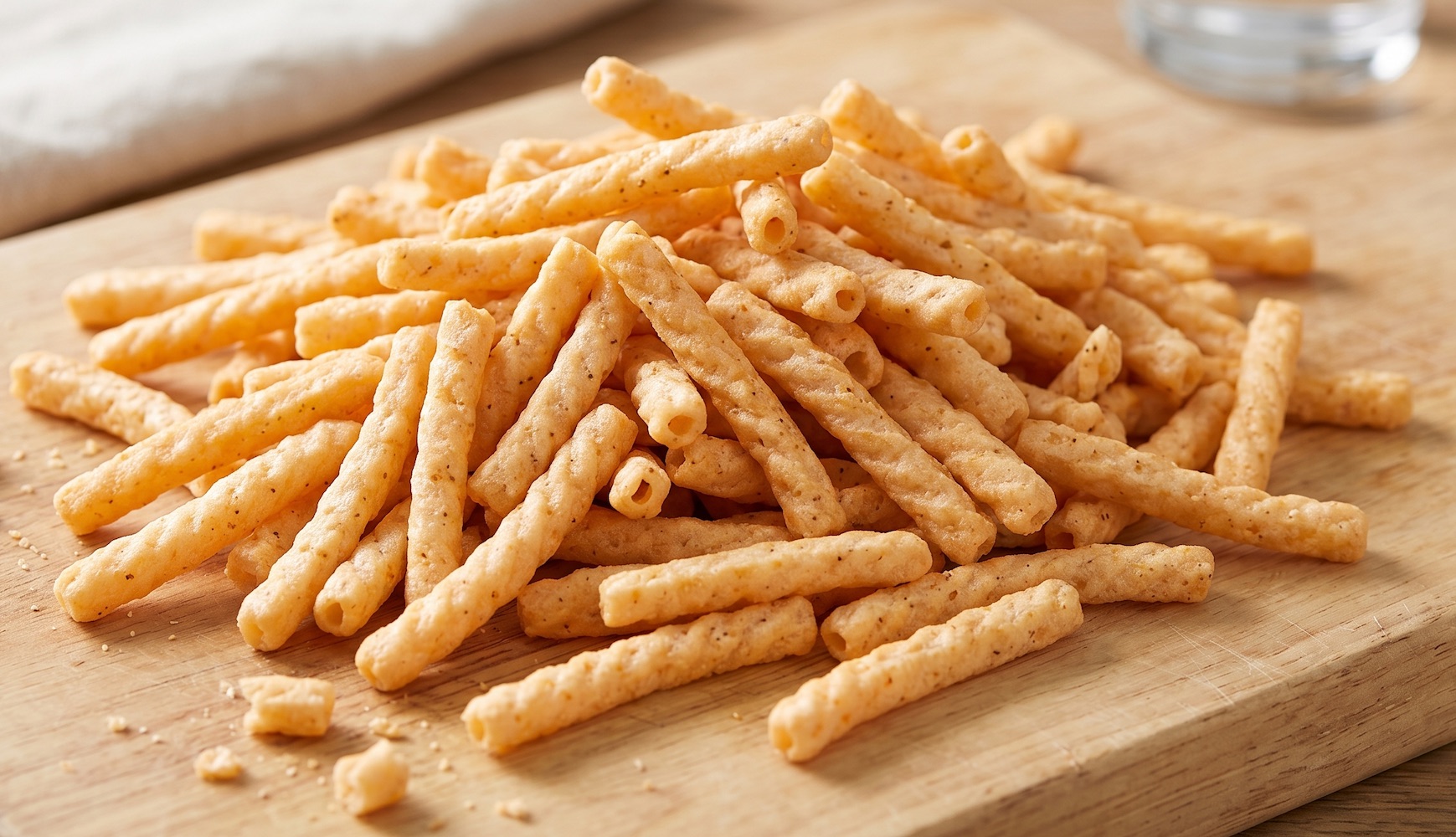
Prawn-flavoured crackers are often perceived as "lighter" than potato chips because they are airy and made with flour. However, the savoury flavour comes at a high cost: sodium. These snacks are incredibly addictive, and the light texture often tricks parents into thinking a large portion is acceptable for a child.
A single small bag can contain a significant portion of a child's daily salt allowance. High salt intake at a young age can dull the taste buds to the natural flavours of vegetables and fruits, leading to "picky eating." Additionally, these crackers are usually toasted or fried with palm oil, contributing to a higher caloric density than necessary.
5. Biscuit Dipping Sticks with Cream

This is a popular "interactive" snack featuring biscuit sticks that children dip into a pot of chocolate or strawberry cream. While the activity can be engaging, the nutritional profile is heavily skewed towards sugar and fat. The biscuit sticks themselves are made from highly processed white flour with very little nutritional value.
The "dip" is the most problematic part, as it consists mainly of sugar and vegetable shortenings (fats). Because children tend to scoop as much cream as possible, they often consume the entire portion of sugar in one sitting. This snack is essentially "sugar on starch," which provides no long-lasting energy for a child's busy school day.
6. Chocolate Chip Cookies

Processed chocolate chip cookies are a classic choice for parties or lunchbox treats. While they claim to be full of real chocolate chips, the actual percentage of cocoa is often low, replaced by sugar and vegetable fats. These cookies are highly processed to maintain their shelf life, which often involves preservatives and artificial flavours.
Eating these cookies regularly can lead to a significant intake of High Fructose Corn Syrup (HFCS) in some versions, which is linked to metabolic issues in children. They provide a high calorie-to-nutrient ratio, meaning your child gets a lot of energy they might not use, which can eventually be stored as fat.
7. Chocolate-Coated Biscuit Sticks

Thin coated biscuit sticks are a ubiquitous snack in Singapore, found in almost every convenience store. Because they are thin, many parents assume they are a "light" snack. However, the chocolate coating is primarily composed of vegetable oil and sugar, with very little actual cocoa solids to provide any antioxidant benefits.
A single box contains multiple servings' worth of sugar for a young child. Because the biscuit stick is so thin and light, children often don't feel "full" after eating several sticks, leading them to finish the whole pack. This mindless snacking contributes to a high daily caloric intake without providing any essential vitamins or minerals.
8. Hazelnut Cream-Filled Chocolate Wafer

These wafers are often marketed with a focus on "milk and hazelnuts," which can lead parents to believe it is a healthier chocolate option. In reality, it is a confectionary item with a very high fat-to-weight ratio. The hazelnut cream is rich, but it is also very high in saturated fats and sugar.
While it does contain a small amount of skimmed milk powder and hazelnut, these benefits are far outweighed by the high calorie density. For a small child, a single bar provides a massive amount of energy that is rarely needed in one sitting, often displacing more nutritious food during main meals.
9. Salty Cracker Sandwiches with Cheese Filling

Many parents view cheese crackers as a "savoury" and therefore "healthier" alternative to sweet biscuits. However, these buttery-style crackers are notorious for their high salt and fat content. The "buttery" taste of the cracker comes from vegetable oils rather than actual butter, and the cheese filling is highly processed.
The sodium levels in these sandwich crackers are quite high, which can contribute to thirst and a preference for highly seasoned foods. Furthermore, they often contain partially hydrogenated oils (trans fats), which are detrimental to heart health. They are far from a "protein snack" despite the cheese-related imagery.
10. Traditional Iced Gem Biscuits

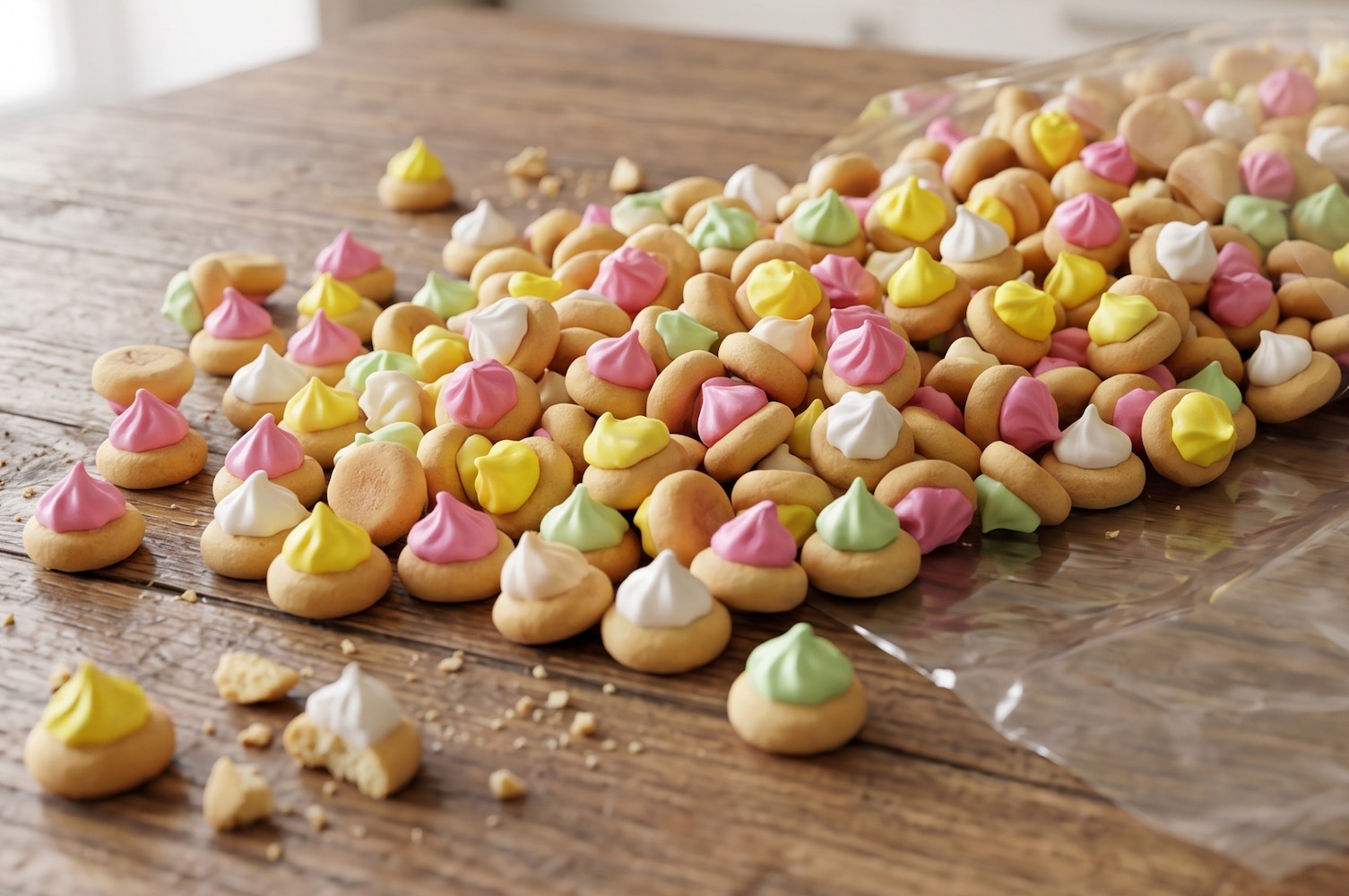
Iced gem biscuits are a nostalgic icon in Singapore. While the biscuit base is small and plain, the "gem" on top is 100% hardened sugar icing mixed with food colouring. Most children will eat the sugar top and discard the biscuit, making this a very high-sugar snack.
The food colourings used (like Tartrazine or Sunset Yellow) have been linked in some studies to hyperactivity in sensitive children. There is virtually no nutritional value in this snack, as it lacks protein, fiber, or healthy fats. It is essentially a candy disguised as a biscuit.
Summary of Singapore's Unhealthiest Snacks
In summary, while these snacks are beloved for their taste and convenience, they are best kept as occasional treats rather than daily staples. The common themes across these products are high refined sugar, excessive sodium, and the use of low-quality vegetable oils. By swapping these for whole-food alternatives like nuts, fruits, and whole-grain crackers, we can help our children develop healthier palates and maintain steady energy levels throughout their busy school days.
| Snack Type | Main Nutritional Issue | If You Must |
|---|---|---|
| Cocoa Sandwich Cookies | High sugar and refined flour | Birthday parties (Rare) |
| Instant Noodle Snack | Excessive Sodium & MSG | Emergency hiking snack |
| Printed Filled Biscuits | Saturated fats in filling | Occasional rewards |
| Prawn Wheat Crackers | High salt content | Family movie nights |
| Interactive Dipping Sticks | Sugar & Fat in dip | Interactive play sessions |
| Mass-Produced Choc-Chip Cookies | Sugar & Saturated fats | School celebrations |
| Coated Biscuit Sticks | Empty calories & Sugar | Quick travel treat |
| Hazelnut Filled Wafers | Calorie-dense & Fat | Special holiday treats |
| Cheese Sandwich Crackers | Sodium & Processed fats | Picnic shareables |
| Iced Gem Biscuits | Pure sugar icing & Dyes | Nostalgic themed events |