
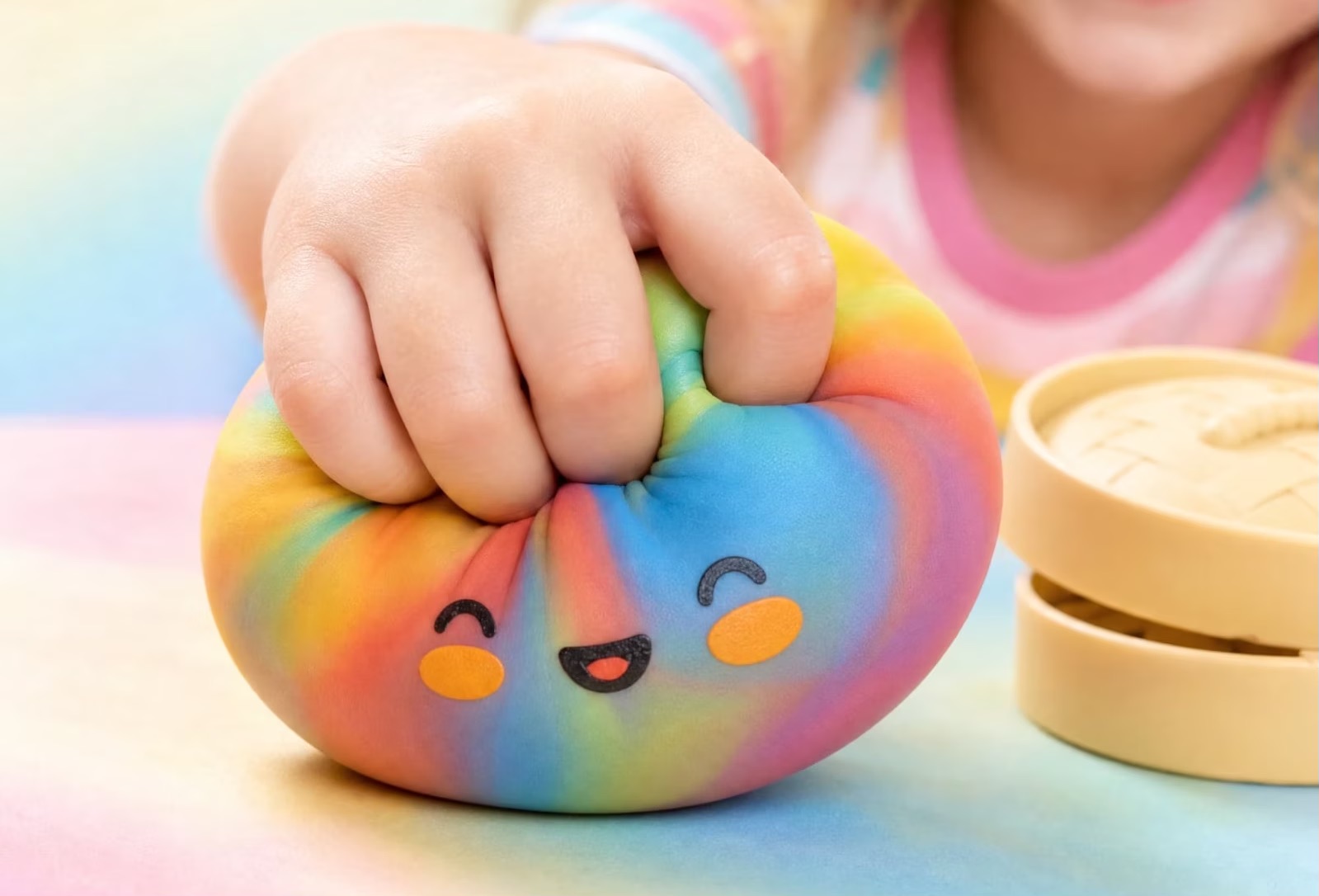
If your children love squishy sensory toys, you have probably seen those soft little bao buns in plastic steamer baskets. They are sold everywhere right now, from neighbourhood shops to online platforms like Shopee.
Safety regulators overseas have begun pulling several versions of this toy off the shelves. Laboratory tests found a cancer-causing chemical called benzene, expanding water beads, and mould inside them.
What Safety Regulators Found
The UK Office for Product Safety and Standards (OPSS) issued a recall for unbranded squeezy dumplings after tests detected excessive amounts of benzene on the outer plastic. Benzene is an industrial chemical known to cause cancer, and it should never be present on children's toys.
Touching the surface can cause red skin or a rash, while breathing in the vapours can irritate a child's airways. If a toddler puts the toy in their mouth, the chemical can cause an unpleasant burning sensation in the throat and stomach.
The Hazard Inside The Dumpling
Across the Pacific, the US Consumer Product Safety Commission (CPSC) recalled thousands of these bao toys because of their filling. Some designs contain tiny water beads that swell well past allowable limits when exposed to moisture.
Squishy toys tear easily when children squeeze them hard or poke them with pencils. If a child swallows a loose bead, it absorbs bodily fluids and expands inside the intestines.
That can cause a physical blockage that requires an operation to remove.
In another case, British border authorities destroyed an imported batch after an OPSS safety inspection revealed living yeast, mould, and bacteria in the liquid core.
If a worn-out toy bursts open and splashes fluid into your child's eyes or onto broken skin, it can cause an infection.
Why Food Toys Cause More Trouble
A big reason for concern is that the toy looks just like food. Young children naturally explore objects with their mouths, especially when something looks like a warm dim sum bun.
A toddler can easily bite through the soft outer layer and swallow whatever is inside. That makes chemical exposure or choking much more likely to happen during playtime.
What About Singapore?
Singapore's Consumer Product Safety Office (CPSO) published an official safety advisory on squishy toys. While it does not name this specific dumpling brand, the guidance urges parents to be cautious of toys with fillings and keep them away from heat.
Local regulations also draw a clear line on the filling. Under CPSO rules, expanding water beads cannot be supplied as toys for children under 14 years old.
If your child has a squishy bun filled with loose water beads, it does not comply with local safety requirements.
Many of these toys enter Singapore through overseas sellers on Shopee, Lazada, or TikTok Shop without going through local checks first. Because these parcels arrive right at our doors, parents need to exercise caution and make their own call.
What Parents Should Do Today
If your child has one of these unbranded dumpling toys at home, take it away today. Put it into a bag, toss it straight into your rubbish bin, and have your child wash their hands with soap and water.
If your child only had a quick taste of the liquid or put the toy in their mouth, do not panic. Rinse their mouth with water, wash their skin, and monitor them at home.
The situation is different if you know they actually swallowed loose water beads from inside the bun. Water beads swell over time, so keep a close watch on them.
If your child develops stomach pain, starts vomiting, or refuses to eat, bring them to a doctor or the Children's Emergency at KKH or NUH to get checked.
How To Choose Safer Sensory Toys
You do not need to ban squishies, but you should avoid cheap, unlabelled novelty toys. Only buy items that clearly state the manufacturer's name, safety certification, and contact details on the box.
Give any new squishy toy a quick smell test before handing it to your child. If it smells strongly of petrol, paint, or artificial perfume, do not buy it. Do not choose toys with fillings of gels, mystery liquids, powders, sand or expanding water beads.
If you come across unbranded toys with water beads on local shopping apps, you can report the listing directly to the CPSO through consumerproductsafety.gov.sg.
If in doubt about the safety of the toy, err on the side of caution and just pick other toys.
References
- Consumer Product Safety Office (CPSO) Singapore – Safety Tips on Squishy Toys
- UK Office for Product Safety and Standards – Product Recall: Squeezy Dumplings (2606-0196)
- US Consumer Product Safety Commission – GIHNJSI Squeezy Dumplings Toys Recalled Due to Ingestion, Choking and Obstruction Hazards
- UK Office for Product Safety and Standards – Product Safety Report: Squishy Dumpling Bun Squeeze Toy (2605-0199)