A Parent's Guide to Safe Cartoon Streaming in SG
-
Part 1: A Parent's Guide to Safe Cartoon Streaming in SG
— Foundational strategies and setting safe streaming locks. -
Part 2: Alternatives to Popular Cartoons
— 20 wholesome, educational and low-stimulation recommendations.
The digital landscape our children wander through today is vastly different from the one we knew. At home, I often notice the shift in the air when the girls have been watching something too fast, too loud, or too repetitive. Their breathing becomes shallow, their tempers grow brittle, and that quiet, creative spark I love to see seems to dim under the weight of high-intensity "brain rot" content. These addictive cartoons are designed with one goal: to keep eyes glued to the screen using rapid cuts, neon colours, and jarring sounds that overstimulate a child's developing nervous system. It feels less like storytelling and more like a digital sugar rush that leaves them feeling hollow and restless.
By choosing "slow media," we are essentially offering our children a chance to breathe. We are opting for programmes that respect their pace and nourish their curiosity rather than exploiting it. It is about moving away from the frantic noise and toward content that mirrors the steady, healing rhythm of the natural world. When we replace a chaotic "hook" with a restorative alternative, we aren't just changing the channel; we are protecting their inner peace and helping them stay grounded in a world that often feels far too fast.
Here are some of the most common shows I have observed in our community, along with the gentle alternatives I have invited into our home.
A Parent's Guide to Safe Cartoon Streaming in SG
-
Part 1: A Parent's Guide to Safe Cartoon Streaming in SG
— Foundational strategies and setting safe streaming locks. -
Part 2: Alternatives to Popular Cartoons
— 20 wholesome, educational and low-stimulation recommendations.
1. Bluey
(No Alternatives. We strongly recommend Bluey!)
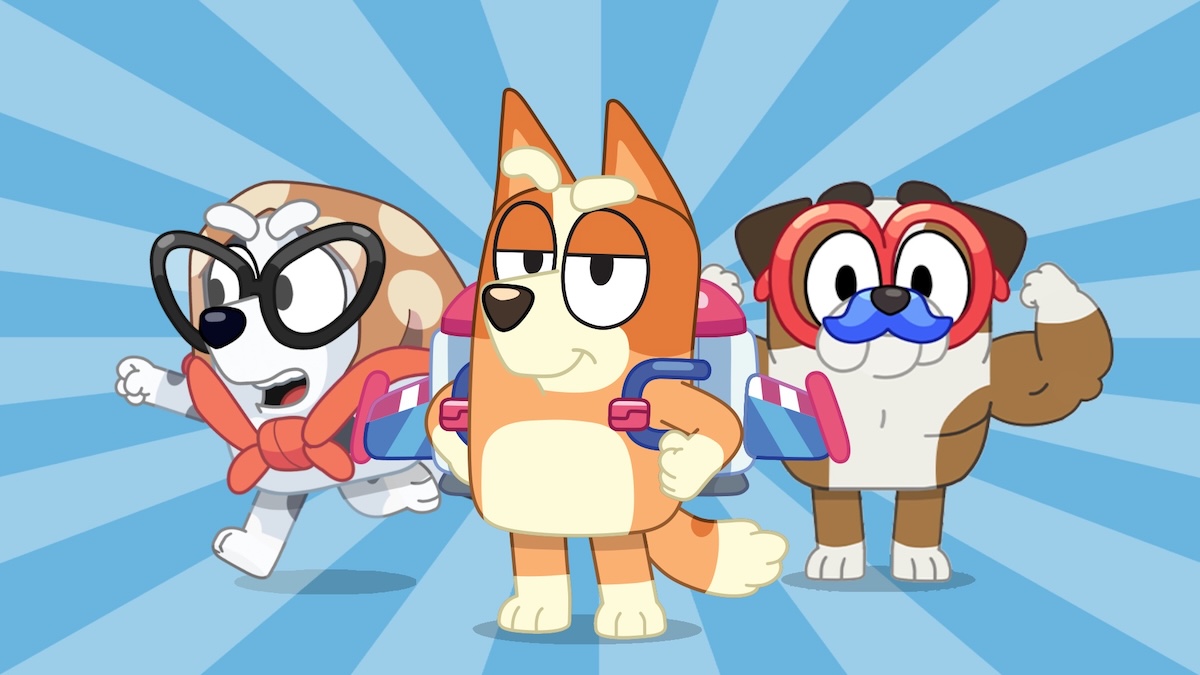
The Introduction: Bluey follows a six-year-old Blue Heeler pup who turns everyday family life into extraordinary adventures. It is widely praised by Singaporean parents on Reddit and local forums for its realistic depiction of modern parenting and its focus on unstructured, imaginative play.
Why we recommend it: Bluey is restorative because it prioritises "slow" emotional growth. It models how to handle boredom, disappointment, and sibling rivalry with grace and humour. By keeping Bluey but shifting to intentional viewing—perhaps watching just two episodes before heading to the void deck for a game of tag—we honour the show's intent without letting the screen take over.
| Wikipedia Page | Bluey Wikipedia |
|---|---|
| YouTube Preview | Search Bluey Official Clips |
2. CoComelon
Why it is detrimental: CoComelon is often described by child development experts as "hyper-stimulating." The camera angles change every 1 to 3 seconds, a pace that far exceeds real-world interaction. This can overstimulate the nervous system, potentially leading to shorter attention spans and higher levels of irritability (the "CoComelon meltdown") when the screen is finally turned off.
Alternative to CoComelon: Trash Truck
The Introduction: Trash Truck is a gentle, beautifully paced series about Hank, a 6-year-old boy, and his best friend, a giant, honking trash truck. They go on simple, grounded adventures that celebrate the quiet wonder of the world around them.
Why it is better: It is the direct antidote to the "flash-cut" style. The scenes are long and steady, allowing a child to follow the logic of the story. It values silence and the rhythm of friendship, providing a restorative environment that encourages a child to breathe and think rather than just react to bright colours.
| Wikipedia Page | Trash Truck Wikipedia |
|---|---|
| YouTube Preview | Search Trash Truck Clips |
3. PAW Patrol
Why it is detrimental: The show relies heavily on a "constant state of emergency." Every episode features a crisis that requires high-tech gadgets to solve. This can induce a baseline of "emergency anxiety" in children, where they feel that a situation is only manageable with the help of a complex, toy-branded machine, often leading to a focus on consumerism over community-based problem solving.
Alternative to PAW Patrol: Puffin Rock

The Introduction: Narrated with a gentle, soothing tone, Puffin Rock follows a young puffling named Oona and her little brother Baba on a gorgeous Irish island. The animation is hand-painted and soft, focusing on the natural world.
Why it is better: Instead of high-tech rescues, it focuses on biological wonder. Children learn about weather, animal habitats, and sibling care. It lowers the child's heart rate rather than raising it, replacing the frantic "save the day" energy with a curiosity about the tiny bugs and plants they might see the next time they walk through an SG park.
| Wikipedia Page | Puffin Rock Wikipedia |
|---|---|
| YouTube Preview | Search Puffin Rock Clips |
4. Peppa Pig
Why it is detrimental: While relatable, Peppa Pig is frequently criticised for modelling "snarky" social interactions. Characters are often bossy, dismissive of their parents (especially "Daddy Pig"), and resort to name-calling. Children often mimic these patterns, leading to a "sassy" attitude at home that lacks empathy and foundational respect.
Alternative to Peppa Pig: Little Bear
The Introduction: Little Bear is a gold standard in slow media. Based on the classic books, it depicts a young bear's everyday life with his family and friends in a quiet forest setting.
Why it is better: The dialogue is polite, thoughtful, and incredibly gentle. There is no snark. Conflicts are resolved through kindness and patience. It teaches children that their world is safe and that they can express their feelings without needing to be loud or mean to get their way.
| Wikipedia Page | Little Bear Wikipedia |
|---|---|
| YouTube Preview | Search Little Bear Clips |
5. Gabby's Dollhouse
Why it is detrimental: The show is built around "surprise delivery" boxes, which mimics the dopamine-driven "unboxing" culture found on YouTube. This can foster a consumerist mindset where the child is always looking for the next "surprise" or toy, making it difficult for them to find contentment with the playthings they already have.
Alternative to Gabby's Dollhouse: Creative Galaxy
The Introduction: Creative Galaxy follows Arty and Epiphany as they travel around the galaxy to solve problems using art. It is a vibrant show that prioritises the "making" process over the "unboxing" process.
Why it is better: Every episode ends with a real-life art project that children are encouraged to do themselves using household items (like cardboard boxes or old socks). It moves the play from the screen to the living room table, turning a digital experience into a restorative, hands-on creative session.
| Wikipedia Page | Creative Galaxy Wikipedia |
|---|---|
| YouTube Preview | Search Creative Galaxy Clips |
6. Pokémon
Why it is detrimental: At its heart, Pokémon is a masterclass in "collection anxiety." The core loop—catch, battle, repeat—is designed to keep children in a state of constant acquisition. This often translates to a heavy focus on merchandise and a competitive mindset that can make it difficult for children to enjoy play for its own sake without a "win" or a "reward" attached.
Alternative to Pokémon: Wild Kratts
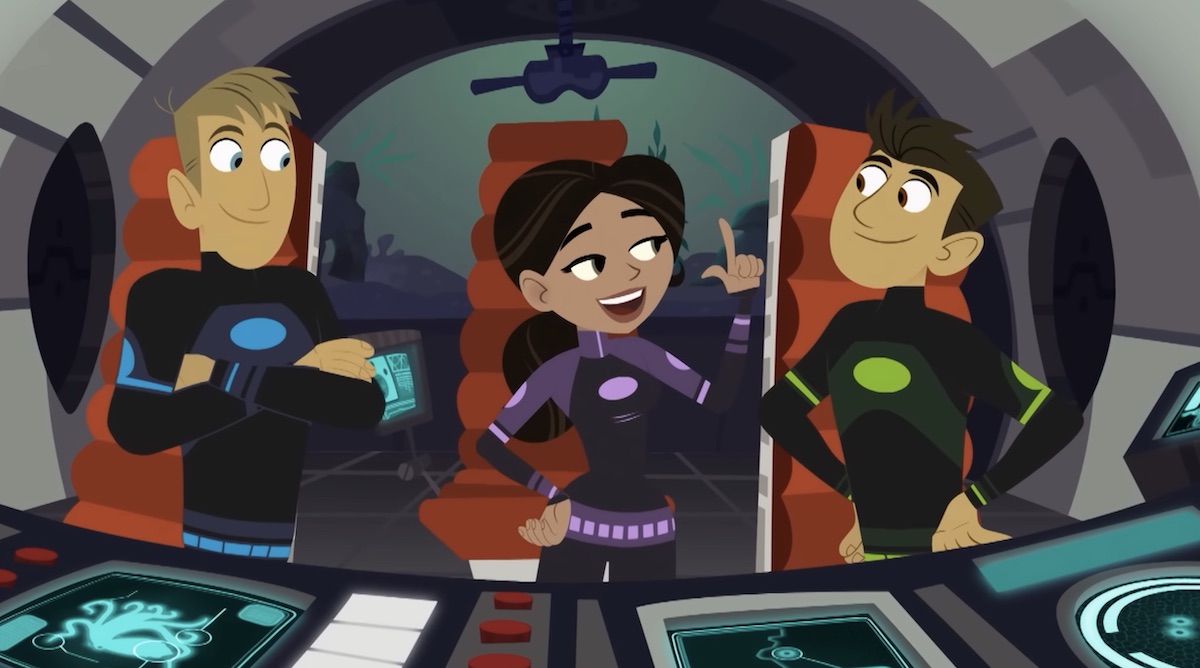
The Introduction: Join the Kratt brothers, Chris and Martin, as they travel to animal habitats around the globe. They use "Creature Power Suits" to experience life as the animals do, focusing on real biology and conservation efforts.
Why it is better: It shifts the focus from "catching" and "battling" animals to protecting and understanding them. It satisfies the child's love for "powers" and adventure but grounds it in real-world zoology. It is highly restorative because it encourages a deep respect for the living creatures in our own backyard and beyond.
| Wikipedia Page | Wild Kratts Wikipedia |
|---|---|
| YouTube Preview | Wild Kratts Official YouTube Channel |
7. Baby Shark (Pinkfong)
Why it is detrimental: Baby Shark is the ultimate "earworm." It uses extreme repetition, high-pitched frequencies, and bright, fast-flashing colours to trigger a trance-like state in young children. This level of sensory saturation often leads to a "rebound effect," where the child becomes exceptionally restless or irritable once the stimulation stops.
Alternative to Baby Shark: Buddi
The Introduction: Buddi is a sensory-focused show featuring five colourful friends who explore their natural world. The animation is soft, and the soundscape is composed of gentle, organic rhythms.
Why it is better: It is designed to be a "low-stimulation" experience. The music is based on natural heartbeat rhythms, which helps to regulate a child's nervous system rather than agitating it. It encourages observational play and a sense of calm wonder, making it the perfect restorative switch for toddlers.
| Wikipedia Page | Buddi Wikipedia |
|---|---|
| YouTube Preview | Search Buddi Clips |
8. Blippi
Why it is detrimental: Blippi's character is built on manic energy—loud shouting, exaggerated movements, and a frantic pace. This "over-the-top" persona can be exhausting for a child's sensory processing. Furthermore, the rapid-fire editing style doesn't give children enough time to actually think about the educational concepts being presented.
Alternative to Blippi: The Stinky & Dirty Show
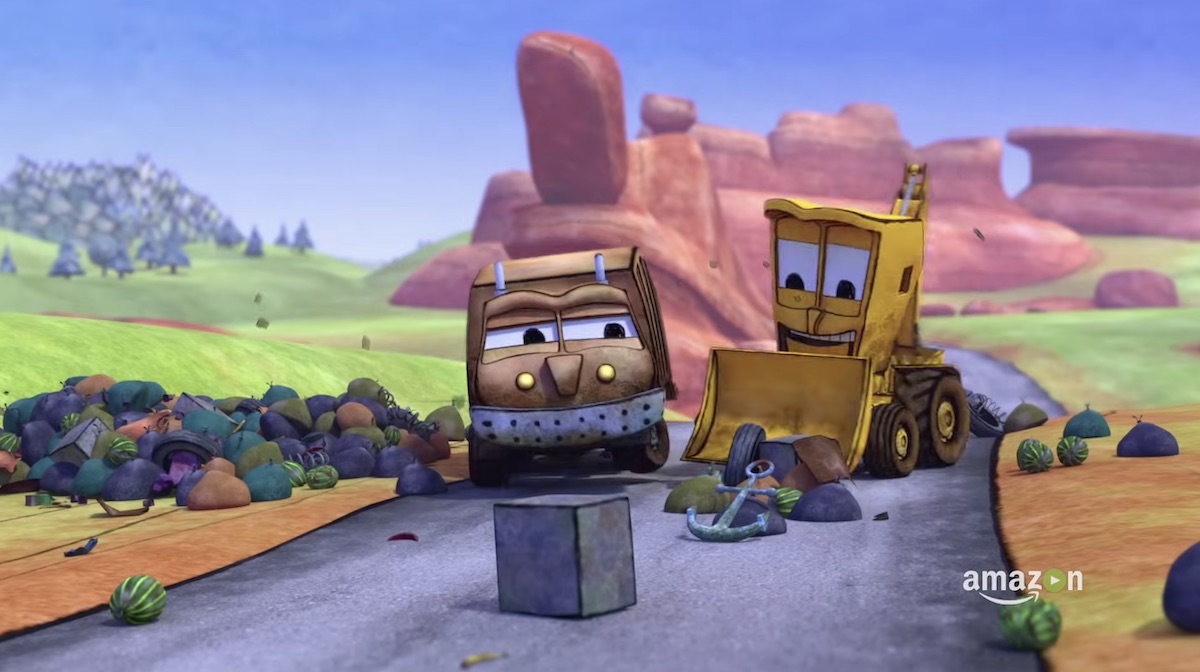
The Introduction: Based on the books by Jim and Kate McMullan, this show follows two vehicle best friends who live in a world of construction and "big builds." They use trial and error to solve complex mechanical problems.
Why it is better: The characters speak in normal, calm voices. They model critical thinking through the phrase, "What if?" It celebrates the "messy" part of learning and engineering without the need for constant screaming or bright-light distractions. It is restorative because it values the quiet process of solving a puzzle.
| Wikipedia Page | Stinky & Dirty Wikipedia |
|---|---|
| YouTube Preview | Search Stinky & Dirty Clips |
9. Numberblocks
Why it is detrimental: While high in educational value, Numberblocks can be surprisingly fast-paced. The bright colours and quick-fire mathematical songs are effective for learning, but the sheer speed of the visual delivery can leave some children feeling over-stimulated, particularly if watched in long stretches without breaks for physical play.
Alternative to Numberblocks: Daniel Tiger's Neighborhood
The Introduction: A legacy of Mister Rogers, Daniel Tiger focuses on social-emotional learning. It uses "strategy songs" to help children navigate their feelings and the world around them.
Why it is better: It is the "gold standard" of slow pacing. The show respects a child's time to process emotions. While it doesn't focus on maths, it builds the foundational emotional stability that children need before they can engage in complex academic learning. It is a "healing" show that makes the home feel safer and more predictable.
| Wikipedia Page | Daniel Tiger Wikipedia |
|---|---|
| YouTube Preview | Search Daniel Tiger Clips |
10. Miraculous: Tales of Ladybug & Cat Noir
Why it is detrimental: This show is heavy on "teen drama" and high-stakes superhero conflict. For younger children, the complex emotional webs and the constant threat of villains can be quite stressful. The fast-paced action sequences and the focus on "secret identities" can lead to a sense of social anxiety rather than social connection.
Alternative to Miraculous: Little Lunch

The Introduction: This mockumentary-style series (live action) follows a group of primary school children during their 15-minute "little lunch" break. It deals with the very real, very small dramas of the playground.
Why it is better: It is incredibly relatable and funny without needing superheroes. It models empathy, conflict resolution, and the beauty of friendship in a grounded, realistic way. It is restorative because it shows children that their own lives and playground stories are interesting and worth telling.
| Wikipedia Page | Little Lunch Wikipedia |
|---|---|
| YouTube Preview | Search Little Lunch Clips |
11. Skibidi Toilet
Why it is detrimental: This viral YouTube phenomenon is often the primary example of "digital slop." It features surreal, nonsensical, and often aggressive imagery with no narrative structure. The constant barrage of bizarre visuals and loud, repetitive music can lead to "brain rot"—a state where a child's attention span is severely diminished because they are accustomed to 15-second bursts of pure chaos.
Alternative to Skibidi Toilet: Storyline Online
The Introduction: Storyline Online is an award-winning children's literacy website that streams videos featuring celebrated actors reading children's books alongside creatively produced illustrations. It turns the digital experience into an intimate storytelling session.
Why it is better: It is the ultimate antidote to nonsensical "slop." Instead of chaotic noise, children are exposed to high-quality literature, rich vocabulary, and coherent narratives. It encourages a love for reading and provides a quiet, restorative space where a child's imagination can flourish without being overwhelmed by digital flashing.
| Wikipedia Page | Storyline Online Wikipedia |
|---|---|
| YouTube Preview | Search Storyline Online Clips |
12. PJ Masks
Why it is detrimental: PJ Masks relies heavily on a "combat-and-capture" loop. The fast-paced, nighttime action sequences can be overstimulating, and the focus on "winning" against villains often encourages aggressive physical play. Children may become fixated on the "superhero" ego rather than learning how to solve problems through empathy or cooperation.
Alternative to PJ Masks: True & the Rainbow Kingdom
The Introduction: True is a guardian of the Rainbow Kingdom who uses "Wishes" from the Wishing Tree to solve problems. Unlike traditional superheroes, she doesn't fight; she thinks.
Why it is better: The show is grounded in mindfulness. True often stops to take deep breaths (the "Belly Breath") and uses critical thinking to understand the root of a problem. It is highly restorative because it models emotional regulation and proves that kindness and logic are more powerful than physical force.
| Wikipedia Page | True & Rainbow Kingdom Wikipedia |
|---|---|
| YouTube Preview | Search True & Rainbow Clips |
13. The Creature Cases
Why it is detrimental: While it aims to be educational, The Creature Cases moves at a breakneck speed. The "secret agent" theme involves high-tech gadgets and rapid transitions that can leave a child in a state of high arousal. The educational facts are often buried under layers of frantic dialogue and visual "bling," making it harder for children to actually retain what they've learned.
Alternative to The Creature Cases: Ask the StoryBots
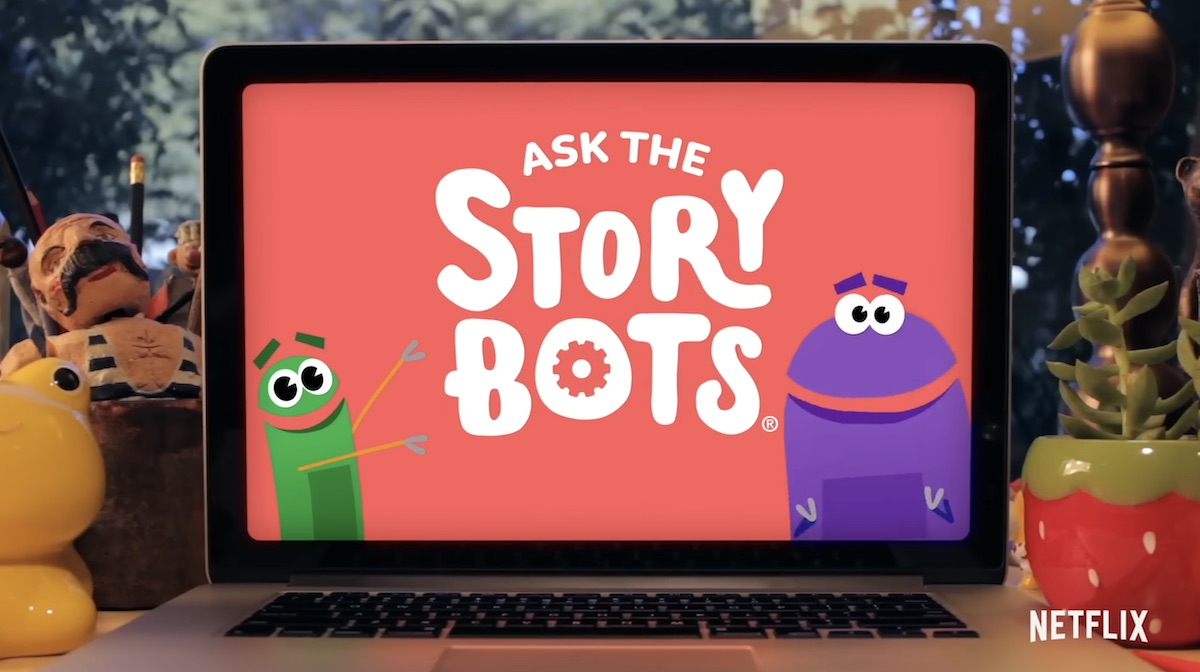
The Introduction: The StoryBots are curious little creatures who live inside our devices and go on "Big Missions" to answer real questions from children, such as "How do ears hear?" or "Where does rain come from?"
Why it is better: StoryBots uses a variety of animation styles (claymation, 2D, and live action) to explain complex concepts methodically. It respects a child's intelligence by providing accurate scientific answers while maintaining a playful, curious tone. It is restorative because it rewards "deep curiosity" rather than just providing a quick action hit.
| Wikipedia Page | Ask the StoryBots Wikipedia |
|---|---|
| YouTube Preview | Search StoryBots Clips |
14. Sonic Prime
Why it is detrimental: Sonic Prime is built on "high-velocity" action. The multiverse-hopping and non-stop combat are designed to trigger an adrenaline response. For children, this can manifest as "digital jitters," where they find it impossible to engage in grounded activities like drawing or outdoor play immediately after watching, as their nervous system is still in "Sonic mode."
Alternative to Sonic Prime: Hilda
The Introduction: Based on the graphic novels by Luke Pearson, Hilda follows a brave, blue-haired girl who lives in a world where humans share space with trolls, giants, and tiny elves. It is a world of quiet wonder and environmental mystery.
Why it is better: Hilda is "slow adventure." It prioritises atmosphere, background art, and diplomacy. Hilda often tries to understand the "monsters" rather than fighting them. It is highly restorative for its earthy colour palette and its focus on the beauty of nature and stewardship, fitting perfectly with an intentional, mindful lifestyle.
| Wikipedia Page | Hilda Wikipedia |
|---|---|
| YouTube Preview | Search Hilda Clips |
15. Ninjago
Why it is detrimental: Ninjago relies on the "battle-of-the-week" format. While it has a long-running story, the primary engagement comes from physical conflict and the threat of "The Overlord." This can create a worldview of constant threat and "good vs. evil" polarities, which can be stressful for a child's developing emotional landscape.
Alternative to Ninjago: Avatar: The Last Airbender

The Introduction: This legendary series follows Aang, the last survivor of his people, as he seeks to bring balance to a war-torn world. It is deeply rooted in Asian-inspired philosophy and the four elements of nature.
Why it is better: While there is action, it is secondary to the characters' internal growth and moral choices. It explores deep themes of redemption, peace-making, and the weight of responsibility. It is restorative because it treats the viewer with respect, offering a "slow-burn" epic that values character development over simple combat hits.
| Wikipedia Page | Avatar Wikipedia |
|---|---|
| YouTube Preview | Search Avatar Clips |
16. The Loud House
Why it is detrimental: The name says it all. The show is built on constant, high-volume chaos and sibling rivalry that often crosses the line into mean-spiritedness. The "shouting matches" and frantic pacing can overstimulate a child's auditory processing, making it difficult for them to find quietude or engage in cooperative play without mimicking the loud, confrontational tone of the characters.
Alternative to The Loud House: Stillwater
The Introduction: Based on the "Zen Shorts" books by Jon J. Muth, Stillwater follows three siblings who have a wise panda named Stillwater as their next-door neighbour. Through his stories and friendship, he gives them new perspectives on their daily challenges.
Why it is better: It is the polar opposite of "loud." Stillwater uses Zen fables to teach mindfulness, patience, and emotional regulation. It is a visually stunning, quiet show that encourages children to look inward and find their "inner still." It is restorative for the whole family, often leaving everyone—parents included—feeling more grounded.
| Wikipedia Page | Stillwater Wikipedia |
|---|---|
| YouTube Preview | Search Stillwater Clips |
17. SpongeBob SquarePants
Why it is detrimental: SpongeBob is a cultural icon, but its frantic, absurd physical stunts and high-intensity editing can be exceptionally overstimulating. Studies have suggested that watching just nine minutes of such fast-paced cartoons can cause immediate impairment in a child's executive function, affecting their ability to follow rules and stay focused.
Alternative to SpongeBob: Octonauts

The Introduction: The Octonauts are a crew of eight adorable animals who explore the ocean from their undersea base, the Octopod. They follow the mission to "Explore! Rescue! Protect!"
Why it is better: It retains the aquatic adventure theme but grounds it in real marine biology and quiet teamwork. The pace is steady, and the "Creature Reports" at the end of each episode provide genuine educational value. It turns the "undersea" experience into a restorative journey of scientific curiosity rather than chaotic slapstick.
| Wikipedia Page | The Octonauts Wikipedia |
|---|---|
| YouTube Preview | Octonauts Official YouTube Channel |
18. Gravity Falls
Why it is detrimental: While brilliant for older audiences, the intense mystery "hooks" and occasionally dark, supernatural themes can lead to a "binge" mentality. Children may find it difficult to stop watching because the cliffhangers are so powerful, leading to "digital dread" or over-arousal that disrupts their ability to transition to restorative sleep.
Alternative to Gravity Falls: Over the Garden Wall
The Introduction: This poetic miniseries follows two brothers, Wirt and Greg, as they travel across a strange forest called "The Unknown." It is a lyrical story that feels like a classic storybook come to life.
Why it is better: It is "slow-burn" storytelling. The pace is deliberate, the music is folk-inspired and acoustic, and the atmosphere is one of quiet, seasonal beauty. It encourages deep immersion and reflection, making it a restorative choice that values the journey over the "mystery hit."
| Wikipedia Page | Over the Garden Wall Wikipedia |
|---|---|
| YouTube Preview | Search Garden Wall Clips |
19. We Bare Bears
Why it is detrimental: The show often relies on "snarky" sibling dynamics and a heavy focus on social media popularity and "trends." This can mirror the shallower aspects of the internet, encouraging children to value "likes" and online image over genuine, heart-centered connection and kindness in the real world.
Alternative to We Bare Bears: Molang
The Introduction: Molang is a non-dialogue series about the "offbeat friendship" between Molang, a round, fluffy rabbit, and Piu Piu, a timid yellow chick. They confront everyday problems with humour and affection.
Why it is better: It is a world of pure kindness. Because there is no dialogue, children must focus on the characters' expressions and the "feeling" of the story. It is deeply restorative, gender-neutral, and celebrates the simple joy of supporting your friends without any of the snark or social pressure.
| Wikipedia Page | Molang Wikipedia |
|---|---|
| YouTube Preview | Search Molang Clips |
20. Ms. Rachel (Live Action)
Why it is detrimental: Ms. Rachel is a powerhouse of early childhood education, but her high-energy, fast-paced "speech therapy" style can be incredibly overstimulating if used as a primary source of media. The constant direct-to-camera engagement and rapid transitions can leave young children in a state of hyper-arousal, potentially making real-world social cues feel "boring" by comparison.
Alternative to Ms. Rachel: Sarah & Duck

The Introduction: Sarah is a kind seven-year-old girl who lives with her quacky best friend, Duck. Together, they embark on simple, imaginative adventures exploring their quiet world.
Why it is better: It is the peak of "observational" media. The pace is incredibly slow, and the narrator (voiced by Roger Allam) provides a gentle, calming guide. It encourages children to find wonder in the everyday—like a lemon water or a scarf—and is highly restorative for a child's sensory processing and imagination.
| Wikipedia Page | Sarah & Duck Wikipedia |
|---|---|
| YouTube Preview | Sarah & Duck Official YouTube Channel |