
- Part 1: A Parent's Guide to Safe Cartoon Streaming in SG — Foundational strategies and setting safe streaming locks.
- Part 2: Alternatives to Popular Cartoons — 20 wholesome, educational and low-stimulation recommendations.
The morning sun hits the jade vine on my balcony, casting long shadows across the living room floor where my daughters are sprawled out. One is seven, the other is ten, and right now, they are perfectly still. It is that rare moment of quiet before the heat of the day sets in, but instead of the sound of birds or the rustle of leaves, there is only the rhythmic, bright chirp of a cartoon streaming from the tablet. I look at their faces, bathed in that artificial blue light, and I wonder what kind of soil I am letting their minds grow in.
A digital space is just like a garden; if you do not tend to it daily, the weeds of mindless noise will eventually choke out the quiet flowers of imagination.
Safe cartoon streaming in Singapore requires a deliberate blend of technical locks and open dialogue. By setting strict age ratings on platforms like Netflix and Disney+, disabling the addictive autoplay feature, and using local tools like Media Plan Boards, parents can transform passive viewing into an intentional, restorative family ritual that protects a child's mental space.
"Mum, can we watch one more?" my youngest asks, her eyes still fixed on the screen. I feel that familiar tug—the desire for just five more minutes of peace to finish pruning my indoor ferns. "Let's check the plan board first," I reply, my voice steady. We decided together that the screen goes off when the timer rings, no matter how exciting the cliffhanger is.
The hidden weight of the digital stream
We often think of cartoons as harmless background noise, something to keep the little ones occupied while we sort out the laundry or prep dinner. But there is a hidden cost to the "always-on" culture of streaming. When we let the algorithm decide what comes next, we hand over our role as guides to a piece of code designed only for engagement. It creates a frantic energy in the home that clashes with the slow, natural rhythm I try so hard to cultivate.
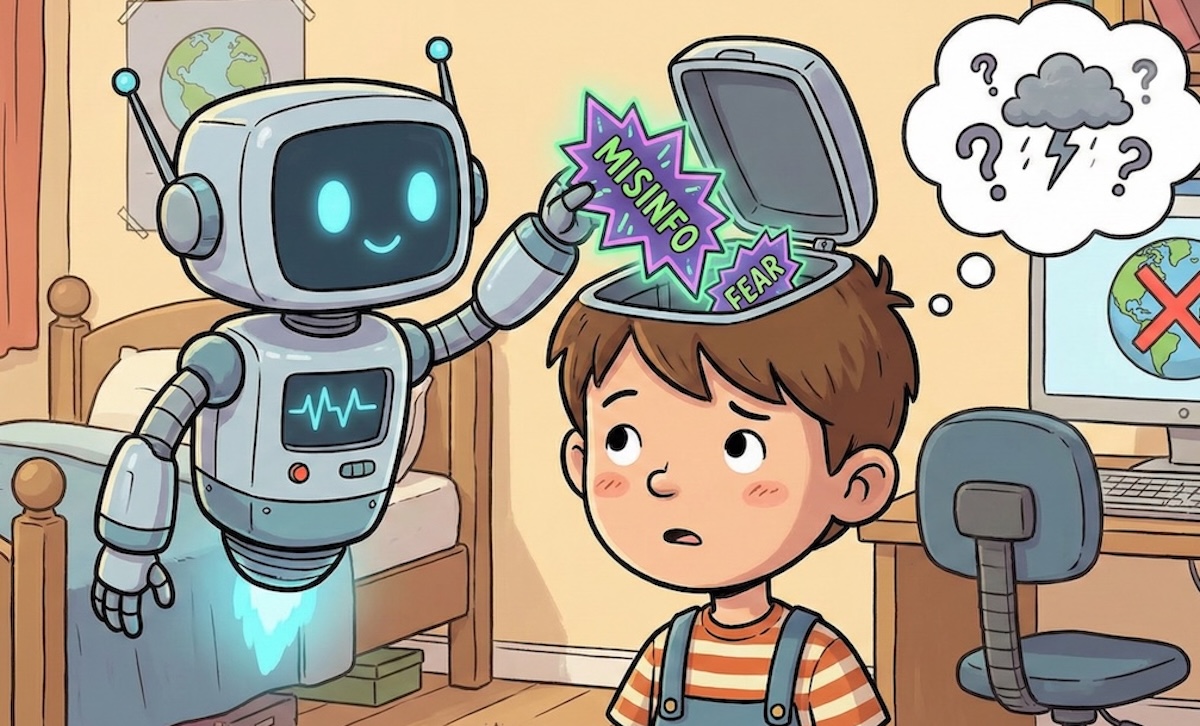
I read a report on Channel News Asia recently that mentioned how 81% of parents here are worried about what their kids see online. It's a staggering number. Even with 94% of children using these devices, we still feel like we're losing the battle against "brain rot" and low-quality content. I've felt that same prickle of anxiety when a random, loud video starts playing after a gentle nature show.
In our home, I've started treating the tablet like a library book rather than a toy. We pick one specific show, watch one episode, and then we put it away. No scrolling. No clicking on "recommended" videos. If it isn't on our pre-approved list, we don't watch it. It's a simple boundary that keeps the digital weeds from spreading too fast.
Building a fortress with parental locks
Logic tells me that I cannot be everywhere at once. I might be in the kitchen or hanging clothes in the yard when a stray ad or an inappropriate clip pops up. The technical side of safety isn't about being a "helicopter parent"—it is about building a safe perimeter so my girls can explore within their limits without stumbling into things they aren't ready for.

The MDDI has made it mandatory for services like Disney+ and mewatch to provide locks for anything rated NC16 or above, which is a start. But the real work is in the smaller details. I followed the Digital For Life guide to lock down our Netflix profile with a PIN. It took ten minutes, but the peace of mind is lasting. I also use the "Heroes of Zero" series to explain to my seven-year-old why some buttons are off-limits.
I sit them down once a month and we "audit" their profiles together. We look at the history. We talk about why a certain show made them feel scared or hyper. It turns a cold piece of tech into a shared responsibility.
Breaking the spell of the autoplay hook
There is a specific kind of glazed look children get when one episode bleeds into the next without a pause. It is as if they are under a spell. The autoplay feature is the enemy of a restful home. It robs them of the chance to process what they just saw and forces them into a loop of passive consumption that is hard to break without a tantrum.
A guide on HealthHub talks specifically about managing this for kids aged seven and up. But I know how it feels when the lift doors open, you've had a long day at the VivoCity shops, and you just want the kids to be quiet while you cook. The temptation to let the loop continue is real. But I've seen the fallout—the irritability and the struggle to sleep when the screen finally goes dark.
So, I went into the settings of every app we use and toggled that switch off. Now, when an episode ends, the screen goes black. That silence is the signal. It's the gap where they can decide to go play with their Lego or come help me water the money plant. That pause is where their agency lives.
Prescribing a healthier digital diet
The concept of a "lifestyle prescription" sounds a bit clinical, doesn't it? Like something you'd get at the polyclinic. But when I looked into the Grow Well SG initiative, I saw the value in it. It's not about being rigid; it's about finding a balance that works for our specific family life in a busy city.
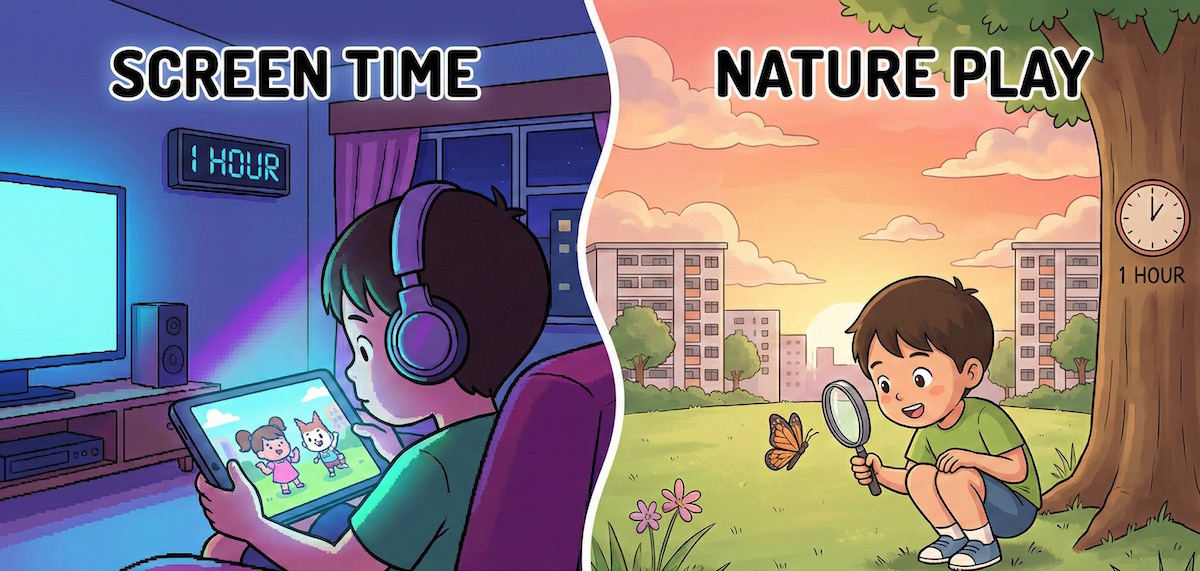
We try to follow the idea of "nature play" as the antidote to screen time. For every hour of streaming, we spend an hour outside, even if it's just walking to the nearby park to look for interesting insects or watching the clouds from the HDB void deck. The contrast helps them stay grounded. They learn that the vibrant colours on the screen are nothing compared to the shifting hues of a Singapore sunset.
I've heard from other parents in my gardening group that they struggle with this. They say their kids won't go out if the weather is too humid. And honestly? It's a struggle for me too. But we make it a ritual. We pack our water bottles, put on our hats, and go find a patch of green. It's about clearing the digital fog and letting their senses rest.
Curating a sanctuary of quality content
Not all cartoons are equal. Some are like sugary snacks—fun for a moment but leaving you feeling depleted. Others are like a home-cooked meal, full of heart and lessons that linger. I spend time researching shows before I let them enter our home. I look for stories that celebrate empathy, slow living, and a connection to the world around us.
The IMDA suggests curating a list of approved platforms and programming. I take this one step further by creating a physical "menu" for my daughters. They can choose from three or four high-quality shows we've vetted together. This way, they still feel like they have a choice, but I know that whatever they pick is safe and restorative.
Last Tuesday at the neighbourhood playground, I saw a toddler holding a phone with a loud, flashing video while their parent sat nearby. It made me realise how easy it is to let these devices become digital pacifiers. By being the gatekeeper of what they watch, I'm not just protecting them from "bad" stuff—I'm making room for the "good" stuff. The quiet stories. The ones that make them ask questions about the world.
True minimalism isn't just about having fewer things in your cupboards; it is about having fewer distractions in your heart and more space for the things that truly nourish you.
The Bottom Line
If we treat our children's digital consumption with the same care we give to the plants on our windowsills, will we find that they grow with more resilience and a deeper sense of peace?
Little Tip: I have found that keeping the charging cables in a common basket in the kitchen helps us all remember that devices have a "bedtime" too.
References
- Channel News Asia: AI slop and 'brain rot' taking over the internet
- IMDA: Cyber Safety for Kids at Every Age
- Digital For Life: Parental Controls Made Simple
- HealthHub: Grow Well SG Initiative
- HealthHub: Managing Your Child's Screen Use
- MDDI: Response to PQ on Alternative Content Versions
- Digital For Life: First Device Campaign Parent's Guidebook