
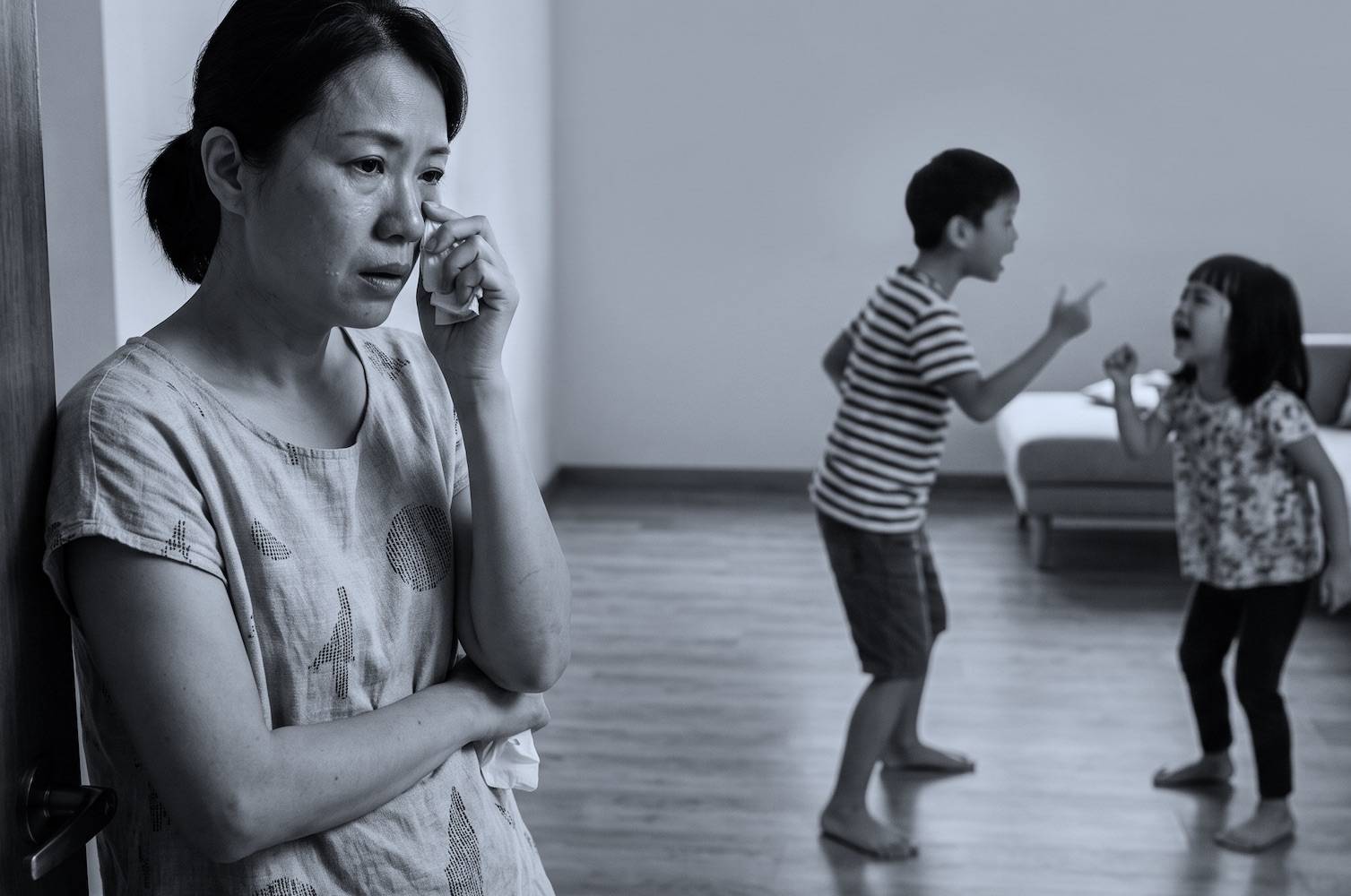
The living room floor is messy, you just finished a long day of remote work, and suddenly a screeching wail pierces the air. You run over to find your children locked in a fierce wrestling match over a single plastic toy.
Living in close quarters means these high-volume clashes feel twice as loud and twice as stressful. When our patience is running thin after dealing with escalating household bills, these sudden outbursts test our absolute limits.
Phrases That Turn Sibling Clashes Into Full Blown Wars
When the shouting starts, our initial impulse is often to shout back or issue a quick judgment just to get some quiet time.
🛑 1. Who started it?
This question forces children to defend themselves and blame the other party. It creates a courtroom dynamic where one child wins and the other loses. This actually encourages sneaky behaviour to avoid getting caught next time.
🛑 2. Act your age, you are the older one!
Placing the burden of peace entirely on the older sibling builds deep resentment. It teaches them that growing up means losing out on parental support. The younger child also learns they can escape accountability for their actions.
🛑 3. If you two do not stop, I will throw that toy away!
Empty threats undermine your authority because the children quickly realise you will not follow through. It focuses their anger on your unfairness instead of teaching them how to share or resolve conflicts peacefully together.
🛑 4. Why can you not be more like your sister?
Direct comparisons damage self-esteem and turn healthy sibling differences into a lifelong rivalry. It makes the corrected child feel less valued. This creates an unnecessary barrier between the siblings that lasts long after the argument ends.

🛑 5. I do not care, just share it!
Dismissing their intense feelings tells them that their personal boundaries do not matter to you. Forcing a quick share without teaching the skills required only guarantees another loud argument will happen five minutes later.
🛑 6. Go to your rooms until you can behave!
Isolation removes the opportunity for them to learn conflict resolution. While it gives you momentary peace in the flat, it leaves the core disagreement unresolved. They simply stew in anger alone instead of learning communication.
🛑 7. You are always the one causing trouble!
Labeling a child locks them into a negative identity that they will eventually accept. When they feel recognised only as the troublemaker, they lose the motivation to behave better during future interactions with their sibling.
Better Ways to Defuse the Screaming Match
Shifting our approach helps children process their intense emotions while teaching them the necessary communication skills to solve their own differences.
🟢 1. It looks like you both want to play with the same block. Let us figure this out.
Stating the facts clearly removes the element of blame. It models a problem-solving mindset rather than a punitive one. This guides them to focus on finding a practical solution together rather than fighting for your validation.
🟢 2. I see two very angry faces. Take a deep breath first.
Acknowledging their physical emotional state helps them recognise their feelings before things escalate further. It prioritises emotional regulation over forcing a fast resolution. Once their minds are calm, they can actually process your guidance.
🟢 3. I will hold the toy until you two can agree on a plan.
Removing the object of desire removes the fuel from the fire. It places the responsibility of the solution squarely back onto the children. They quickly learn that cooperation is the only way to get what they want.
The Long-Term View on Sibling Rivalry
Sibling arguments are not a sign of bad parenting or broken family relationships. They are actually normal, built-in opportunities for our children to practice negotiation, boundaries, and emotional regulation within a safe family environment.
Instead of trying to be a judge who hands out sentences, try to act as a calm coach. Guiding them through these small daily clash points now prepares them well for the competitive world outside our homes later.