
Raising children who love to learn means moving away from rigid rote memorisation and encouraging a deep, active curiosity about the world around them. In nature, survival depends on cognitive flexibility—the ability to invent new solutions, learn from others, and adapt when old routines stop working. This collection explores how different species foster a lifelong love for exploration and problem-solving, giving you practical ways to build an adaptable, curious mind in your child.
Quick Links
- 1. New Caledonian Crows Crafting custom tools to solve novel, complex problems
- 2. Japanese Macaques Adopting innovative cultural habits passed up from a single curious youth
- 3. Archerfish Mastering complex new skills through pure observation of experienced peers
- 4. Chameleons Shifting tactics dynamically to match a rapidly changing environment
- 5. Rock Ants Using slow, deliberate tandem running to teach novices exact pathways
- 6. Squirrels Categorising and organising vast mental maps of resources for future retrieval
- 7. Octopuses Embracing relentless, hands-on experimentation to crack open unfamiliar obstacles
- 8. Bears Using playful curiosity to safely explore and untangle unfamiliar objects
- 9. Pigeons Navigating fluidly by combining multiple environmental cues and correcting course
- 10. Kea Parrots Using fearless, destructive curiosity to unpack how mechanisms work
1. New Caledonian Crows: Crafting custom tools to solve novel, complex problems
Panicking the moment a school project requires thinking outside the box?

The Nature FactNew Caledonian crows don't just use tools; they create them. They can select twigs, strip them of leaves, and bend them into hooks to extract insects from hard-to-reach crevices, demonstrating a rare ability to modify their environment to solve novel challenges.
The Parenting RealityRote memorisation only goes so far. True cognitive intelligence is built when children are allowed to experiment with raw materials, make mistakes, and figure out their own creative workarounds to complex, unfamiliar problems.
Learn from NatureWhen your child is building a science project or a massive Lego model and a critical piece goes missing, don't rush to buy a replacement. Challenge them to hunt around the flat for household items—like clothes pegs, rubber bands, or cardboard boxes—to build a workaround. You will love watching their confidence explode when they realize they can engineer their own solutions from scratch.
2. Japanese Macaques: Adopting innovative cultural habits passed up from a single curious youth
Stuck in a rigid routine and refusing to try anything new?

The Nature FactIn the 1950s, a young, curious female macaque named Imo discovered that washing sweet potatoes in the ocean removed sand and made them taste better. Soon, her peers and the older monkeys observed her and copied the behavior, transforming the entire troop's culinary culture through a single youth's innovative curiosity.
The Parenting RealityChildren are natural innovators, but adults often shut down their unique experiments to keep things tidy or fast. Embracing your child's random, curious discoveries can breathe fresh energy into your family habits and teach them that innovation is highly valued.
Learn from NatureIf your child suggests an odd way to rearrange their study desk, clean their toys, or mix up a weekend breakfast recipe, roll with it instead of correcting them. Letting them run the experiment shows them that their ideas have real value, keeping that creative spark wide awake.
3. Archerfish: Mastering complex new skills through pure observation of experienced peers
Struggling to get your child to pick up a difficult new skill?

The Nature FactArcherfish knock down land-based insects by shooting precise streams of water from their mouths. While it requires complex physics and calculation, younger archerfish master this incredible skill significantly faster simply by swimming alongside experienced adults and intensely observing their technique from different angles.
The Parenting RealityYou don't always need formal lectures or dry instructions to teach a child. Immersive learning happens naturally when children simply watch you or their older peers navigate actual real-life tasks with focus and patience.
Learn from NatureInstead of booking another expensive class, bring your child into your daily workflow. Let them pull up a chair next to you while you cook a family meal, debug a computer error, or fix a loose cabinet hinge. They will absorb the steps, the focus, and how you handle mistakes far faster than any manual could teach them.
4. Chameleons: Shifting tactics dynamically to match a rapidly changing environment
Meltdown every time plans change at the last minute?

The Nature FactChameleons change their skin color not just for camouflage, but to regulate their body temperature and signal their moods to other lizards. This rapid physiological shift allows them to stay perfectly balanced and safe, no matter how the external weather or social dynamics shift around them.
The Parenting RealityRigidity breeds immense anxiety. Teaching children how to pivot gracefully when a weekend plan falls through builds the mental adaptability they need to handle life's unpredictable twists and turns without an emotional meltdown.
Learn from NatureNext time a sudden downpour washes out an outdoor trip, skip the frustration. Turn it into a game by yelling, "Time to pivot!" and immediately setting up an impromptu living room fort or a movie marathon. Showing them how to swap gears with a smile teaches them that a change in plans is just an open door for a new adventure.
5. Rock Ants: Using slow, deliberate tandem running to teach novices exact pathways
Losing your patience trying to teach a complex new routine?

The Nature FactRock ants practice a teaching method called tandem running. An experienced ant will guide a novice to a new nest, moving only as fast as the student can handle. The leader will literally halt and wait for the follower to tap its abdomen, ensuring the novice has fully mapped the landmark before moving forward.
The Parenting RealityRushing through a teaching moment just to get it over with leaves children confused and anxious. True mentorship requires you to slow down your adult pace, break down the task, and wait for your child to signal that they are ready for the next step.
Learn from NatureWhen teaching your child how to pack their school bag according to the timetable or load the washing machine, cut your speed in half. Let them handle just one step—like matching the correct textbooks to the day—and wait for them to look at you before showing them the next move. It takes longer early on, but this patient routine ensures they actually master the skill independently.
6. Squirrels: Categorising and organising vast mental maps for future retrieval
Facing a chaotic, messy pile of school worksheets dumped on the floor?

The Nature FactGray squirrels bury thousands of nuts every single autumn to survive the winter. Instead of hiding them randomly, they use a clever cognitive strategy called spatial chunking—sorting and burying their stash by nut species or size across a massive mental map so they can easily dig them up months later.
The Parenting RealityStoring information isn't just about reading a textbook over and over. To successfully retrieve facts during a stressful school assessment, kids need to learn how to categorize, chunk, and visually organize different concepts in their minds.
Learn from NatureDon't let revision turn into an overwhelming jumble of loose paper. Help your child grab a few color-coded files or map out a tricky science topic onto a single visual mind map. Sorting concepts into clear, distinct "chunks" at home makes it infinitely easier for them to pull those exact facts out of their head when sitting in a quiet exam hall.
7. Octopuses: Embracing relentless, hands-on experimentation to crack open unfamiliar obstacles
Whining "I don't know how" the second a problem gets slightly tricky?

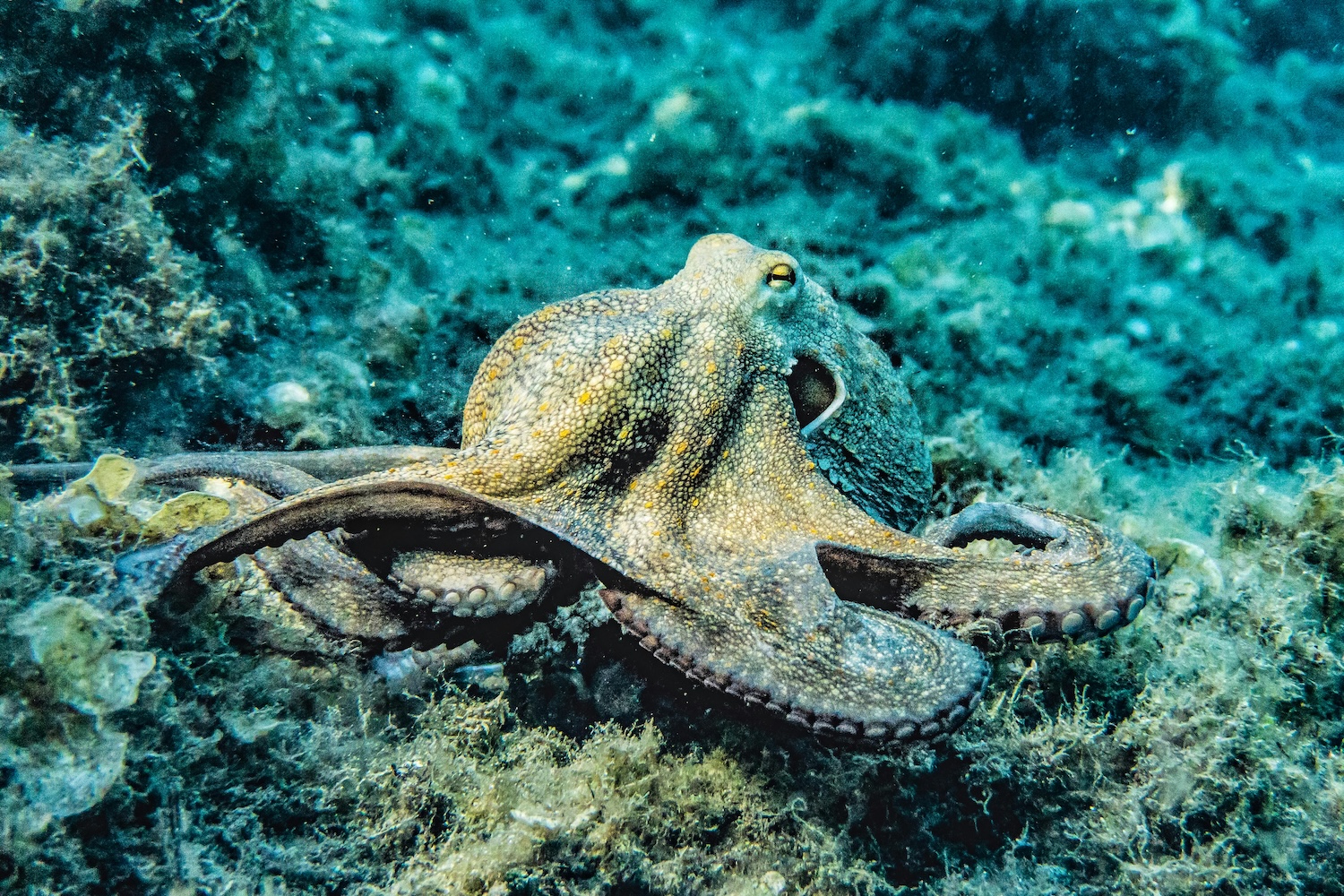
The Nature FactOctopuses are legendary problem-solvers in the marine world. When handed a sealed jar containing a snack, they don't follow a set instruction manual; they use relentless trial-and-error, wrapping their tentacles around it, pulling, twisting, and testing different angles until they figure out how to unscrew the lid.
The Parenting RealityTrue learning requires a willingness to make a mess, try different tactics, and fail repeatedly. If parents always swoop in immediately to provide the exact answer, we accidentally rob them of the grit needed to puzzle things out.
Learn from NatureNext time your child gets completely stuck on a difficult homework problem sum or a toy that won't fit together, step back instead of giving them the answer. Challenge them to try three wild guesses, draw an alternate model, or test different angles first. Watching them finally crack the puzzle after a bit of messy trial-and-error builds a brilliant, lasting confidence that no tuition answer key can ever match.
8. Bears: Using playful curiosity to safely explore and untangle unfamiliar objects
Becoming a passive screen consumer who rarely creates anything real?

The Nature FactBrown bears, especially young cubs, spend hours turning over heavy logs, poking at unfamiliar items, and splashing in streams. This zero-pressure, highly curious play is an evolutionary tool that builds deep spatial awareness, muscle memory, and a rich understanding of how their environment works.
The Parenting RealityPlay isn't a waste of time or a distraction from real studying; it is the literal foundation of cognitive growth. Unstructured, hands-on exploration gives young minds the freedom to test how the physical world works without the continuous fear of a bad grade or failure.
Learn from NatureGive your child a full break from rigid schedules on a weekend afternoon. Dump a big box of random recycled containers, delivery boxes, and a roll of masking tape on the living room floor, and just let them build a mess. Embracing that zero-pressure, hands-on play is the absolute best way to keep their creative problem-solving gears turning.
9. Pigeons: Navigating fluidly by combining multiple environmental cues and correcting course
Freezing or panicking the moment a study plan or revision method fails?

The Nature FactHoming pigeons can find their way across hundreds of miles of unfamiliar territory. They don't rely on just one compass; they dynamically combine the sun's position, the earth's magnetic fields, visual landmarks, and even smells, constantly adjusting their route mid-flight to correct their course.
The Parenting RealityIntelligence isn't about following a single path perfectly; it is about cognitive flexibility. Children need to learn how to monitor their own understanding and smoothly switch to a backup strategy when their first attempt falls short.
Learn from NatureWhen a spelling revision strategy or a math practice technique leads to a disappointing score, skip the lecture. Treat it like a minor course correction, sit down together, and ask, "That method didn't quite work for this topic, what backup tool can we try this time?" Teaching them to swap tactics without shame sets them up to be highly resilient, adaptable learners.
10. Kea Parrots: Using fearless, destructive curiosity to unpack how mechanisms work
Dismantling expensive pens and toys just to see what's inside?

The Nature FactNew Zealand's kea parrots are notoriously destructive but brilliant. They will tear apart rubber seals on cars, open zipped backpacks, and dismantle dustbins, using their powerful beaks to investigate exactly how physical objects are constructed and how they function.
The Parenting RealitySometimes, real curiosity looks a little messy or even slightly destructive. Before we snap at our kids for taking something apart, we need to recognize it as a raw, hands-on drive to understand mechanics, physics, and engineering.
Learn from NatureBefore you snap at the mess, channel that destructive drive safely. Hand them a broken TV remote, an old mechanical clock, or a defunct household appliance, along with a screwdriver, and let them gut it completely at the table. You will love watching their focus lock in as they figure out how things work under the hood, turning a frustrating habit into a real engineering mindset.
5-Part Series
What Nature Can Teach Us About Parenting
- Part 1: Overcoming Burnout & Prioritising Well-being
- Part 2: Cultivating Resilience & Nurturing Independence
- Part 3: Fostering Effective Communication & Emotional Connection
- Part 4: Nurturing Social Intelligence, Empathy & Peer Dynamics
- Part 5: Sparking Curiosity, Lifelong Learning & Cognitive Adaptability