
Raising children who can confidently navigate life's inevitable storms requires moving away from overprotection and embracing growth through challenge. In the natural world, capability is not born in a vacuum; it is forged through calculated exposure to environmental winds, structural transitions, and boundary-testing. This collection explores how different species prepare their young to stand strong, adapt smoothly, and eventually soar on their own wings.
Quick Links
- 1. Emperor Penguins Enduring environmental hardships through collective support
- 2. Oak Trees Developing deep structural strength through wind resistance
- 3. Eagles Nudging fledglings toward self-reliance by modifying the nest
- 4. Hermit Crabs Embracing temporary vulnerability to step into larger roles
- 5. Wolves Utilising safe boundary-testing to develop real-world capability
- 6. Sea Turtles Undertaking a perilous solo journey to build early self-reliance
- 7. Peregrine Falcons Using controlled mid-air drops to teach fledglings critical survival skills
- 8. Bamboo Bending flexibly under extreme pressure to avoid structural breakage
- 9. Salmon Navigating challenging upstream currents to fulfil a long-term goal
- 10. Clownfish Developing a protective immunity through gradual exposure to harsh elements
1. Emperor Penguins: Enduring environmental hardships through collective support
Terrified that a tough failure or setback will permanently crush your child's confidence?

The Nature FactDuring brutal Antarctic blizzards, emperor penguins form a tight huddle to share body warmth. To ensure survival of the group, they continuously rotate positions, moving individuals from the freezing outer edge into the warm centre and back again.
The Parenting RealityResilience is not built by sheltering children from every chilly wind of disappointment, but by ensuring they have a secure emotional anchor to return to. When your child faces an academic setback or social conflict, let them experience the emotion while offering a warm, stable support structure.
Learn from NatureWhen your child misses out on a coveted spot in the school football team or fumbles a performance, resist the urge to fix it or call the school. Sit with them through the initial disappointment, acknowledge that it sucks, and help them look at what to work on next. Knowing you are fully in their corner gives them the safety net they need to dust themselves off and try again.
2. Oak Trees: Developing deep structural strength through wind resistance
Constantly stepping in to smooth out every minor bump in your child's day?

The Nature FactWhen oak trees are exposed to strong, persistent winds, they develop specialised cells known as reaction wood. This structural adaptation increases the density of the trunk and forces the root systems to dig deeper into the earth, making them incredibly stable.
The Parenting RealityOverprotecting children by resolving all their minor disputes or micro-managing their homework prevents them from developing psychological reaction wood. They require the wind resistance of minor challenges, problem-solving opportunities, and small failures to build authentic coping mechanisms.
Learn from NatureIf your child leaves their water bottle, spelling list, or art materials at home, leave them on the kitchen counter instead of racing down to the school office to drop them off. Dealing with the minor inconvenience for one morning forces them to think on their feet, builds personal accountability, and teaches them that they can survive small daily slip-ups on their own.
3. Eagles: Nudging fledglings toward self-reliance by modifying the nest
Struggling to step back and give your growing child the independence they need?

The Nature FactAs eagle fledglings grow, the mother bird systematically removes the soft layers of fur and feathers from the nest, exposing the prickly twigs underneath. This deliberate modification makes the nest uncomfortable, naturally encouraging the young eagles to step onto the branches and prepare for flight.
The Parenting RealityIt is natural to want to keep our children in a perfectly comfortable, managed environment. However, as they mature, maintaining absolute comfort can breed helplessness. We must slowly transition our home dynamics to encourage personal responsibility, even if it creates temporary friction.
Learn from NatureStop acting as their personal morning alarm and packing service. Hand over full ownership of waking up, checking their school timetable, and packing their bag every evening. They might fumble or run late a few times initially, but introducing that small boundary of discomfort is what forces them to take charge of their own routine.
4. Hermit Crabs: Embracing temporary vulnerability to step into larger roles
Anxious about your child stepping out of their comfort zone into the unknown?

The Nature FactAs a hermit crab grows, its protective shell becomes uncomfortably tight. To survive and expand, it must actively abandon its old home, scramble across the hazardous ocean floor completely exposed, and step into a larger, unfamiliar shell.
The Parenting RealityGrowth and comfort cannot coexist. Transition phases—like moving from primary to secondary school or joining a new co-curricular activity—involve a natural period of emotional vulnerability. Your role is not to prevent the discomfort of the transition, but to validate it as a sign of progress.
Learn from NatureWhen they are completely nervous about their first overnight school camp or starting with a brand-new peer group, resist the temptation to let them opt out just to keep the peace. Pack their bags together, acknowledge that the pre-trip anxiety is totally normal, and send them off anyway. Stepping through that awkward, vulnerable phase is exactly how they build real confidence.
5. Wolves: Utilising safe boundary-testing to develop real-world capability
Struggling to balance firm house rules with your child's need to push boundaries?

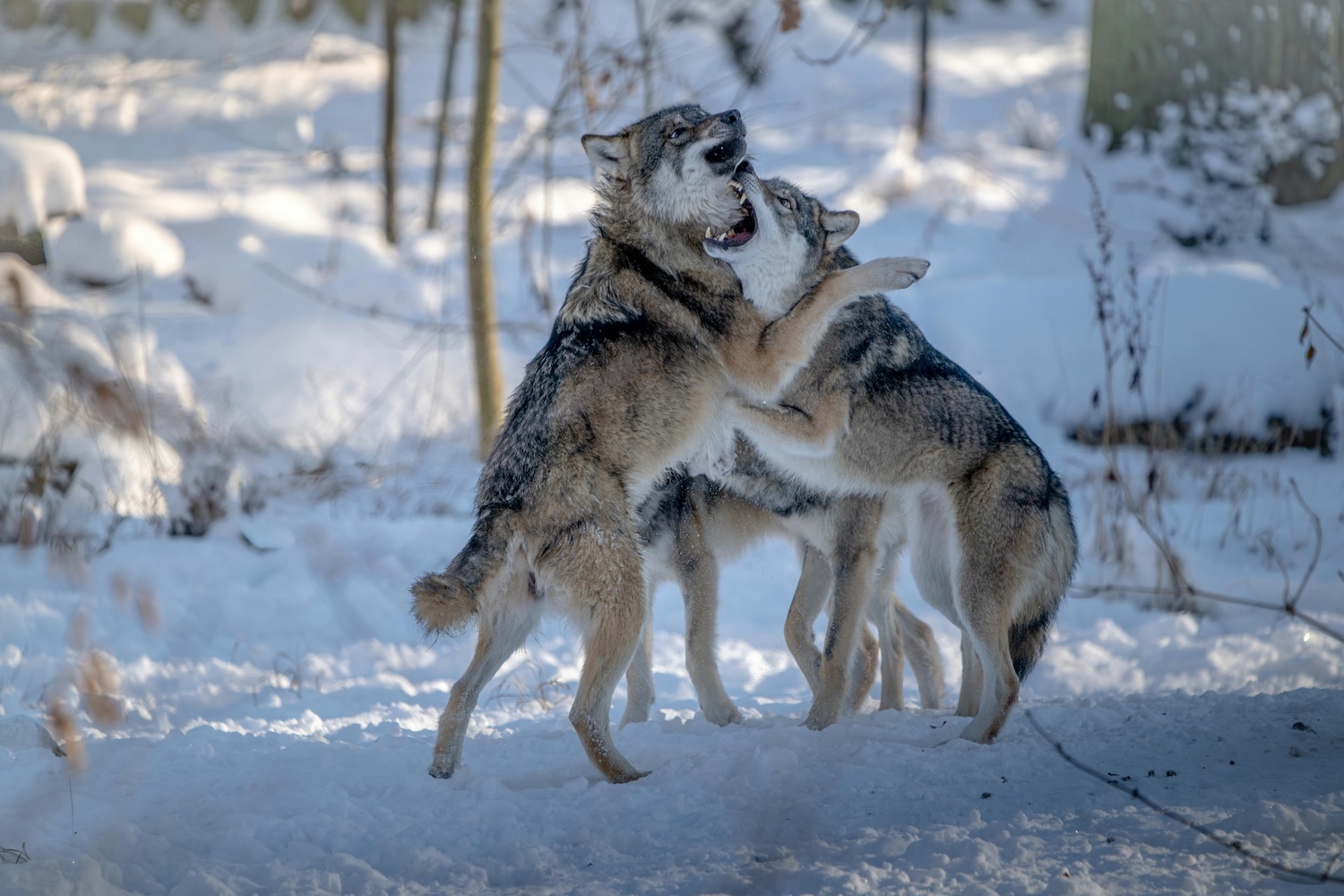
The Nature FactWolf pups engage in constant, intense mock fighting and play within the safety of the pack. These interactions are not chaotic; they are essential training grounds where pups test their physical boundaries, learn social hierarchy, and develop the coordination required for actual survival.
The Parenting RealityChildren naturally test boundaries through rough play, sibling arguments, and questioning parental rules. Instead of suppressing these behaviours entirely to maintain absolute quiet, view them as crucial rehearsals for real-world negotiation, conflict resolution, and emotional regulation.
Learn from NatureNext time a massive sibling argument explodes over sharing a digital device or choosing what to watch, don't rush in immediately to dictate the answer or hand down a penalty. Give them five minutes to argue, debate, and try to strike a deal themselves. Letting them navigate that social friction inside the safety of your living room prepares them to handle difficult dynamics out in the real world.
6. Sea Turtles: Undertaking a perilous solo journey to build early self-reliance
Worrying your child will struggle to cope when you aren't there to help?

The Nature FactGreen sea turtle hatchlings break out of their eggs deep under the sand and must navigate the open beach to the ocean entirely on their own, relying on the horizon's natural light to guide them past nocturnal predators.
The Parenting RealityAuthentic self-reliance is cultivated when we trust children to solve problems independently when out of our direct sight. Constant over-hovering and micro-managing delay their internal compass and problem-solving abilities from developing naturally.
Learn from NatureWhen your child starts taking the bus or MRT home by themselves, resist the urge to track their micro-movements on an app or text them every three minutes. Let them figure out the route and handle a missed stop on their own. Watching them step through the front door looking incredibly proud of themselves is an absolute joy, proving they can navigate the world successfully all on their own.
7. Peregrine Falcons: Using controlled mid-air drops to teach fledglings critical survival skills
Struggling to hand over absolute control of tasks to your child?

The Nature FactInstead of feeding their fledglings directly within the safety of the nest, parent peregrine falcons fly high above the gorge and drop prey in mid-air, forcing the young birds to dive and catch it themselves, practising essential hunting manoeuvres in a controlled environment.
The Parenting RealityNurturing true independence requires a structured, gradual release of responsibility. You move from handling a task completely, to completing it together, before stepping back entirely to watch them drop, fumble, and eventually catch it on their own terms.
Learn from NatureWhen it is time to fill out school options or register for a new CCA online, don't hog the laptop. Sit beside them to talk through the options, but let them type the details and click the submit button themselves. They might make a typo or fret over the choices, but handing over that final control turns a dry administrative task into a massive, empowering milestone for their confidence.
8. Bamboo: Bending flexibly under extreme pressure to avoid structural breakage
Watching your child crack under the pressure of intense school schedules?

The Nature FactBamboo grows with distinct hollow sections and incredibly flexible vascular bundles that allow it to bend dramatically during fierce monsoon winds or under heavy loads without snapping, returning perfectly upright once the weather clears.
The Parenting RealityResilience is not about raising rigidly unbreakable children who show zero emotion; it is about teaching them mental flexibility—how to dynamically adapt, adjust expectations, and bend during high-pressure school terms without experiencing an emotional burnout.
Learn from NatureWhen a packed week of weighted assessments and tuition homework leaves your child totally stressed, give them permission to bend. Drop the usual strict rules about bedroom chores for a few days, or take a spontaneous evening break to kick a ball around at the neighborhood park. Showing them how to temporarily soften expectations under pressure gives them a wonderful, healthy blueprint for bouncing back stronger.
9. Salmon: Navigating challenging upstream currents to fulfil a long-term goal
Frustrated when your child gives up the moment a school concept gets tough?

The Nature FactSalmon travel hundreds of miles upstream against powerful river currents, leaping over physical barriers and waterfalls to reach their destination, driven by a profound internal grit and evolutionary purpose.
The Parenting RealityDeveloping authentic grit requires leaving room for children to experience the friction of hard work. If parents clear away every single current of resistance or rush to solve every struggle, children never discover their own hidden capacity to persevere through difficulty.
Learn from NatureNext time your child is completely stuck on a brutal primary school math problem sum, don't immediately take the pencil and sketch out the model drawing for them. Encourage them to sit with the problem and try a different heuristic method for just ten extra minutes. You will be so proud to watch their grit develop when they finally crack it on their own, learning that a little mental struggle is nothing to fear.
10. Clownfish: Developing a protective immunity through gradual exposure to harsh elements
Trying to shield your sensitive child from every difficult peer dynamic?

The Nature FactClownfish are not born immune to the deadly stings of sea anemones. Instead, they build a protective layer of mucus through a slow, deliberate process of making tiny, brief physical touches to the tentacles, gradually developing a complete tolerance until they can safely nest inside.
The Parenting RealitySocial confidence and confidence under pressure are built through micro-exposures to slightly uncomfortable situations, not complete avoidance. Shielding children from every minor playground misunderstanding or boundary check prevents them from building the social immunity needed for adult life.
Learn from NatureIf you have a naturally shy child, stop ordering their drinks or food for them. Hand them the cash at a busy hawker stall and let them ask the uncle for their own drink. It might feel a little awkward for them the first few times, but you will love watching their social confidence grow with every single small, brave interaction they master.
5-Part Series
What Nature Can Teach Us About Parenting
- Part 1: Overcoming Burnout & Prioritising Well-being
- Part 2: Cultivating Resilience & Nurturing Independence
- Part 3: Fostering Effective Communication & Emotional Connection
- Part 4: Nurturing Social Intelligence, Empathy & Peer Dynamics
- Part 5: Sparking Curiosity, Lifelong Learning & Cognitive Adaptability