
Helping our children navigate the complex playground of friendships, group expectations, and social conflicts requires equipping them with strong interpersonal toolkits. In the natural world, thriving is rarely a solo endeavour; it relies heavily on emotional intuition, structural consensus, and the subtle art of cooperation. This collection explores how different species foster deep empathy, navigate social hierarchies, and manage peer friction—providing practical, real-world strategies to help your children build authentic, lifelong connections.
Quick Links
- 1. Bonobos De-escalating peer conflicts with empathy and prosocial behaviour
- 2. African Grey Parrots Sharing resources selflessly without expecting immediate rewards
- 3. African Wild Dogs Navigating group decisions through democratic consensus and mutual agreement
- 4. Crows Respecting multi-generational wisdom and building a strong community network
- 5. Rats Embracing fair play and self-regulation to build lifelong friendships
- 6. Capuchin Monkeys Understanding fairness and dealing with peer comparison gracefully
- 7. Macaques Mastering the art of sincere apologies and social reconciliation after friction
- 8. Weaver Birds Developing collaboration and cooperative skills for shared projects
- 9. Leafcutter Ants Recognising how individual contributions fit into the wider community
- 10. Bowerbirds Appreciating uniqueness and expressing individuality without succumbing to peer pressure
1. Bonobos: De-escalating peer conflicts with empathy and prosocial behaviour
Tired of refereeing endless playground dramas and sibling screaming matches?

The Nature FactWhen tension rises or conflicts break out within a group, bonobos naturally use prosocial behaviours, physical affection, and food-sharing to instantly diffuse anger and restore peaceful communal bonds.
The Parenting RealityPeer friction and sibling rivalry are unavoidable milestones in social growth. Teaching children to respond to aggression with calm boundaries and constructive empathy, rather than immediate retaliation, helps them defuse highly volatile social situations before they escalate.
Learn from NatureWhen playdates get rocky, try guiding your child to notice their friend's perspective or offering a shared snack to reset the mood. It is beautiful to watch how quickly a little emotional attunement can turn a playground standoff into a cooperative game, giving them a lifelong tool for keeping the peace.
2. African Grey Parrots: Sharing resources selflessly without expecting immediate rewards
Worried your child is getting caught up in a hyper-competitive "me first" mindset?

The Nature FactAfrican grey parrots actively assist their peers in obtaining food rewards, even if they receive absolutely no personal benefit or snack in return, demonstrating a highly advanced capacity for spontaneous altruism.
The Parenting RealityIn a highly competitive environment like school or sports, kids can easily adopt a hyper-individualised mindset. Cultivating prosocial habits involves shifting their focus from pure self-interest toward recognising and supporting the needs of their peer group.
Learn from NatureEncourage your child to share their favourite revision notes with an unwell classmate or help a friend map out a tricky math problem sum. You will love seeing the genuine pride in their eyes as they realize that lifting others up feels infinitely more rewarding than winning an isolated race.
3. African Wild Dogs: Navigating group decisions through democratic consensus and mutual agreement
Exhausted by the screaming match every time the family tries to pick a weekend activity?

The Nature FactAfrican wild dogs utilise a fascinating democratic voting system to make group choices, using specific sneezing sounds to signal their agreement or disagreement before embarking on a collective hunt or moving the pack.
The Parenting RealityImposing autocratic decisions on your children can breed deep resentment and passive resistance. Teaching them how to express preferences clearly and reach a mutual compromise prepares them beautifully for complex team dynamics and peer collaborations later in life.
Learn from NatureTry setting up a fun family voting box or a point-allocation system for weekend plans. It is incredibly heartening to watch kids master the art of compromise firsthand, transforming a stressful logistical standoff into an empowering lesson in teamwork where everyone's voice genuinely counts.
4. Crows: Respecting multi-generational wisdom and building a strong community network
Frustrated because your child tunes out your advice but hangs onto every word from their friends?

The Nature FactCrows live in deeply interconnected, multi-generational family networks where older birds actively teach younger fledglings critical survival skills, complex tool usage, and how to identify potential threats based on decades of collective group memory.
The Parenting RealityA child's social intelligence is not formed solely by parental instructions. Immersing them in a rich tapestry of relationships—including extended family, grandparents, and trusted mentors—provides them with varied perspectives and a secure, wider safety net.
Learn from NatureCarve out quiet, regular spaces for your child to bake with a grandparent or listen to an uncle's old school day stories. Building this rich community web gives your child a beautifully grounded sense of identity, wrapping them in a protective circle of wisdom that supports your parenting journey.
5. Rats: Embracing fair play and self-regulation to build lifelong friendships
Worried your child's obsession with winning every single game is pushing friends away?

The Nature FactWhen juvenile rats engage in mock wrestling matches, the larger, stronger rat will intentionally choose to lose up to 30 per cent of the time. This strategic self-handicapping ensures the smaller playmate stays motivated, keeping the social game going and preserving the friendship.
The Parenting RealityNo one wants to play with a peer who dominates every interaction or refuses to share power. True social popularity on the school playground is not built on pure dominance, but on fair play, mutual enjoyment, and knowing when to step back to let others shine.
Learn from NaturePractice board games or sports matches at home where your child occasionally spots a younger sibling an advantage or lets a friend dictate the rules. When you celebrate their emotional maturity over a scoreboard win, you help them grow into the kind of inclusive, magnetic friend everyone clamours to play with.
6. Capuchin Monkeys: Understanding fairness and dealing with peer comparison gracefully
Locked in an endless loop of sibling comparison and "it's not fair" complaints?

The Nature FactCapuchin monkeys possess an incredibly acute sense of fairness. In a well-known scientific study, when one monkey was given a piece of cucumber for completing a task but witnessed its partner receiving a delicious grape for the exact same task, it rejected the cucumber in sheer frustration, throwing it back at the researcher.
The Parenting RealityChildren notice any perceived unfairness immediately and will loudly voice their discontent. However, treating children fairly does not mean treating them exactly the same; it means responding to their individual developmental needs. Helping them process these comparisons calmly prevents deep-seated resentment from taking root.
Learn from NatureWhen privileges diverge—like an older sibling getting a later bedtime—validate their frustration but celebrate how your home supports each child's unique growth stage. You will find that comparison quickly melts away when they feel completely seen and appreciated for exactly who they are right now.
7. Macaques: Mastering the art of sincere apologies and social reconciliation after friction
Frustrated when your child stubbornly refuses to say sorry after a big argument?

The Nature FactMacaques live in highly complex, competitive social hierarchies where aggressive clashes occur frequently. To prevent total group fragmentation, they rely on sophisticated reconciliation behaviours—such as grooming, embracing, or making soft, distinct grunting sounds shortly after a conflict to restore peace and security.
The Parenting RealityRuptures in relationships are a normal part of growing up, but the true test of social intelligence is how our children handle the repair. Forcing a robotic, insincere apology does not teach personal accountability; children must learn how to actively rebuild an emotional connection through meaningful, supportive actions.
Learn from NatureEncourage your child to mend a playground or sibling rift by helping their friend clean up or inviting them back into a favorite game. You'll love watching them discover that a thoughtful, restorative action is infinitely more healing and powerful than a forced, empty word.
8. Weaver Birds: Developing collaboration and cooperative skills for shared projects
Watching your child struggle, dominate, or completely switch off during school group projects?

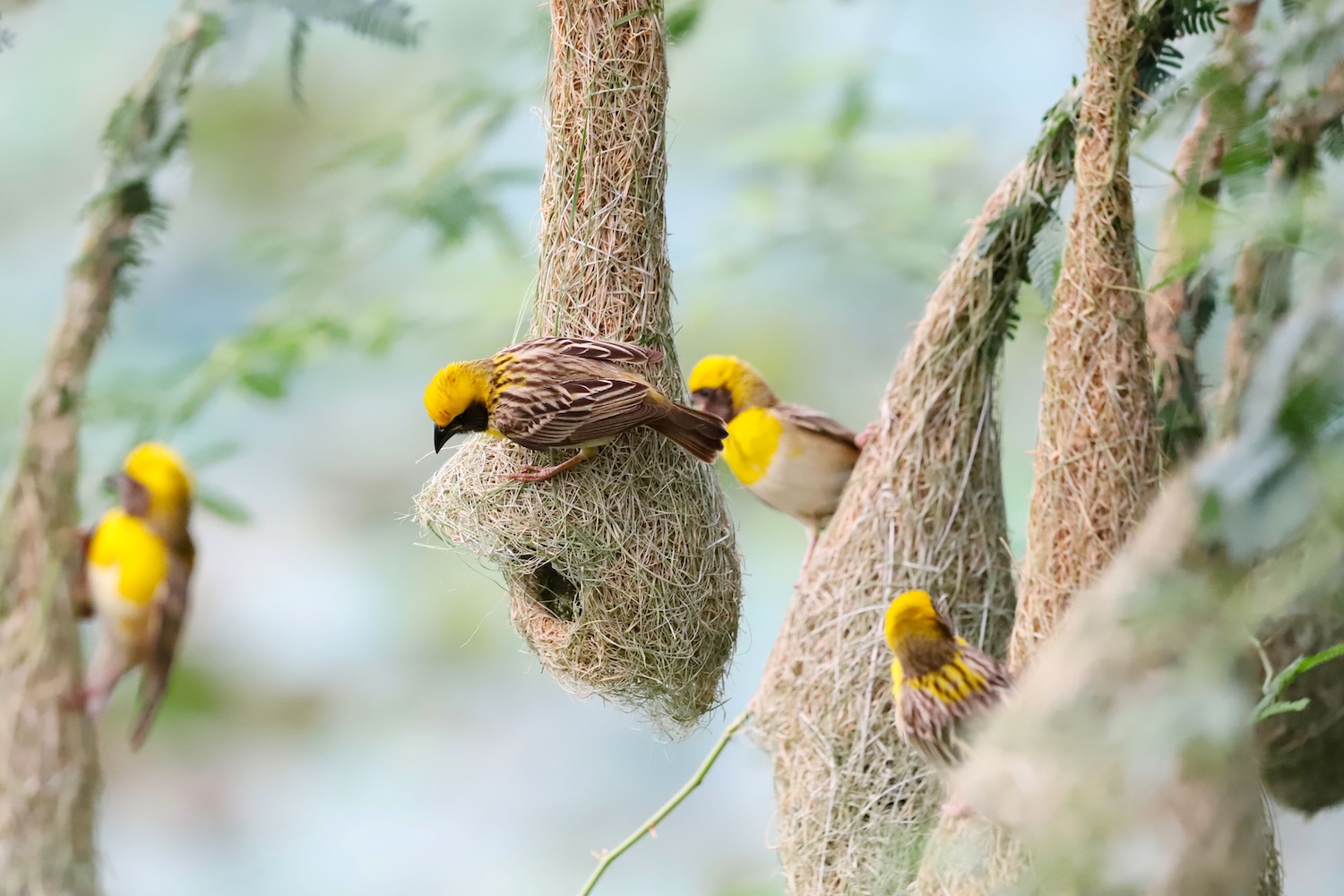
The Nature FactMale weaver birds work in large, highly coordinated colonies to construct complex, interlocking nests using long strips of grass and leaves. They must carefully weave their individual sections together to ensure the structural safety, balance, and stability of the entire communal tree.
The Parenting RealityGroup dynamics are incredibly challenging for young minds, as children often want total control over the outcome or prefer to coast entirely. Learning how to share tasks, respect different working paces, and communicate calmly through project friction is a vital skill for future academic and professional success.
Learn from NatureWhen group assignments get stressful, sit down and help your child brainstorm how to divide tasks based on everyone's natural strengths. It is incredibly rewarding to watch them transition from a place of frustration into an encouraging, collaborative teammate who knows how to make everyone win.
9. Leafcutter Ants: Recognising how individual contributions fit into the wider community
Having a hard time getting your child to do basic chores because they think it doesn't matter?

The Nature FactWithin a leafcutter ant colony, every single worker is born into a highly specific role that directly impacts the group's survival. The tiny ants care for the delicate underground fungus gardens, the medium ants harvest the leaves, and the largest ants guard the trails, with no single job considered insignificant.
The Parenting RealityChildren can easily adopt a hyper-individualistic mindset if they view themselves as passive consumers in a household rather than active partners. When they realize that their small, daily actions directly influence the collective comfort of the family, they develop a foundational sense of social responsibility.
Learn from NatureGive your child total ownership of a small but meaningful routine, like sorting the daily recycling or setting the dinner plates. When you enthusiastically praise how their specific contribution keeps the whole household flowing smoothly, they grow a deep, wonderful pride in taking care of their pack.
10. Bowerbirds: Appreciating uniqueness and expressing individuality without succumbing to peer pressure
Anxious that your child is masking their unique personality just to fit in with the popular crowd?
The Nature FactMale bowerbirds build highly elaborate, unique ground structures called bowers, decorating them meticulously with an assortment of colourful items like flowers, shells, and discarded plastic bottle caps to showcase their individual creativity and distinct flair.
The Parenting RealityThe pressure to conform within a school environment can be overwhelming, frequently causing children to hide their true passions to avoid being teased. Nurturing social intelligence means equipping them with the inner confidence to stand by their unique choices and respect others who do the same.
Learn from NatureThrow your full, unconditional support behind your child's quirky interests, creative projects, or unique hobbies—even if their school peers don't quite get it yet. Providing a vibrant, non-judgmental haven at home gives them a beautiful, lifelong armour to stand tall and proudly be exactly who they are.
5-Part Series
What Nature Can Teach Us About Parenting
- Part 1: Overcoming Burnout & Prioritising Well-being
- Part 2: Cultivating Resilience & Nurturing Independence
- Part 3: Fostering Effective Communication & Emotional Connection
- Part 4: Nurturing Social Intelligence, Empathy & Peer Dynamics
- Part 5: Sparking Curiosity, Lifelong Learning & Cognitive Adaptability