
Sushi is often hailed as the "gold standard" for healthy dining out with kids. We see fresh fish, seaweed, and rice, and naturally assume it is a nutritional win. However, as parents living in food-obsessed Singapore, we know that the "health halo" surrounding Japanese cuisine can be a little misleading. Many of our children's favourite picks are actually hidden traps for high sodium, refined sugars, and unhealthy fats.
Being knowledgeable about these choices isn't about being "food police"—it is about making informed decisions so our little ones can enjoy their treats without the sugar crashes or excessive salt intake. From deep-fried fillings to heavy mayonnaise toppings, let's peel back the nori and see what is really inside these popular sushi restaurant staples.
The Hidden Health Traps: 10 Sushi Restaurant Dishes to Watch
1. Ebi Tempura (Deep-fried Prawns)

Ebi Tempura is a perennial favourite for children due to its crunchy texture and sweet prawn centre. While prawns provide protein, the thick batter and deep-frying process significantly increase the calorie count and saturated fat content, turning a lean protein into a heavy, greasy side dish.
In a typical Singaporean sushi chain, these are often served with a sweet dipping sauce that adds even more sugar. We recommend consuming this less frequently as the refined flour batter offers little nutritional value and can leave children feeling sluggish rather than energised.
2. Inari Sushi (Sweetened Tofu Skin)

Parents often choose Inari because tofu is healthy, right? Unfortunately, the tofu skin (aburaage) used in Inari is deep-fried and then simmered in a heavy syrup of sugar and soy sauce. This makes it one of the highest-sugar options on the sushi belt.
A single piece of Inari can contain as much sugar as a small biscuit. When children eat multiple pieces, their sugar intake for the meal skyrockets, which can lead to dental issues and unwanted energy spikes followed by irritability.
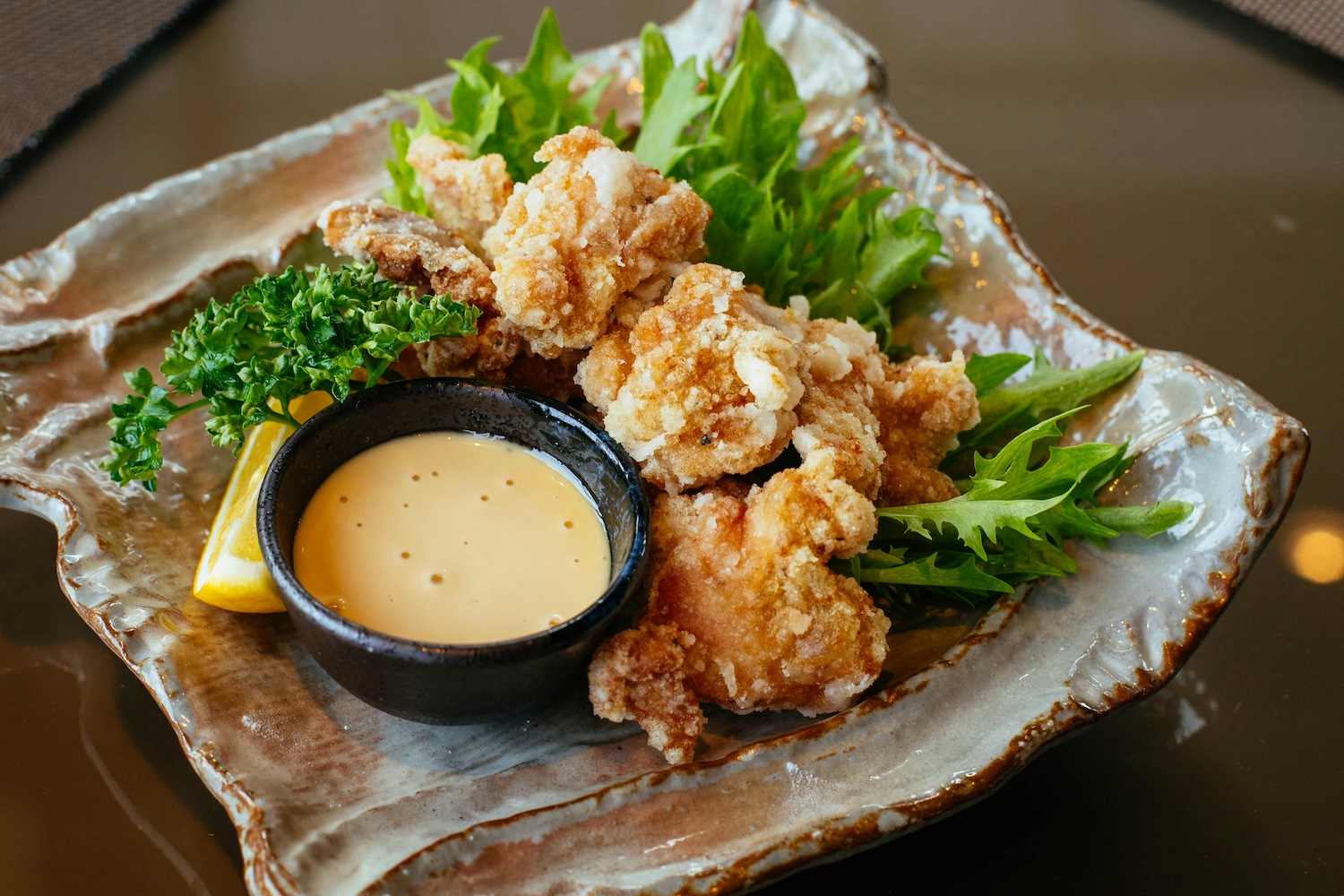
3. Chicken Karaage (Japanese Fried Chicken)

Chicken Karaage is a staple in most "Kids' Bento" sets. Unlike grilled chicken, Karaage is marinated in salt and soy sauce, coated in starch, and deep-fried. This process locks in a high amount of oil, making it very calorie-dense for such a small portion.
The main concern for parents should be the trans fats and high sodium. Often served with a side of Kewpie mayonnaise, the fat content doubles quickly. It is best to treat this as an occasional side rather than a main protein source.
4. California Roll (Mayo-Heavy)

The California Roll is the "gateway sushi" for many kids. However, the "crab" is actually surimi (imitation crab), which is a highly processed fish paste containing sugar, sodium, and preservatives. When combined with heaps of mayonnaise, the health benefits of the avocado and seaweed are drowned out.
In many Singaporean outlets, these are topped with even more mayo and "tobiko" (flying fish roe), which is also high in salt. For a child, this roll provides a lot of empty calories from fat and processed additives rather than fresh nutrients.
5. Tamago Sushi (Sweetened Egg Nigiri)

Tamago is essentially a dessert disguised as a main course. The Japanese omelette is made by mixing eggs with sugar, mirin, and dashi. It is the sweetness that makes it so appealing to children, but it essentially adds refined sugar to a protein source.
While eggs are a great source of choline and protein, the high sugar-to-egg ratio in commercial sushi chains makes this a less-than-ideal choice for a healthy meal. It's fine for a treat, but not as the bulk of a child's dinner.
6. Soft Shell Crab Maki

This roll combines two of the unhealthiest elements in sushi: deep-frying and heavy sauces. The whole crab is battered and fried, then rolled with mayonnaise and often topped with extra sauce. It is extremely high in fat and sodium.
For children, the crunchy texture is the draw, but the nutritional profile is closer to a burger than traditional sushi. The high oil content can also be difficult for young digestive systems to process, potentially causing tummy upsets.
7. Teriyaki Chicken Donburi

While chicken and rice sound safe, the "Teriyaki" part is essentially a salt and sugar bomb. Traditional teriyaki sauce is a mix of soy sauce, sugar, and honey, often thickened with starch. Commercial versions are even higher in sodium to enhance flavour.
A single bowl can contain more than the daily recommended sodium intake for a primary school child. This can lead to excessive thirst and puts unnecessary strain on their developing kidneys.
8. Fried Salmon Skin

Often served as a snack or inside a maki roll, fried salmon skin is basically the Japanese version of potato chips. While salmon skin contains Omega-3s, the deep-frying process at high temperatures can degrade these healthy fats and replace them with oxidized oils.
These are also heavily salted to make them addictive. For a child, this is a high-fat, high-sodium snack that offers very little of the actual benefits associated with eating fresh fish.
9. Fried Gyoza (Japanese Dumplings)

Gyoza are often deep-fried in Singaporean sushi chains rather than the traditional pan-sear. This adds a lot of unnecessary fat to a dish that is already high in sodium from the meat filling and dipping sauce.
The dumpling skin is made of refined white flour, which provides a quick glucose spike. When kids dip these into soy sauce, the sodium count becomes astronomical for a side dish. We suggest opting for steamed or soup-based dumplings instead.
10. Aburi Cheese Sushi (Mayo & Cheese Topped)

Aburi (seared) sushi is trendy, but many kid-friendly versions are topped with a slice of processed cheese and a dollop of mayonnaise before being torched. This adds a significant amount of saturated fat and sodium to a single bite of fish.
The "burnt" flavour from the torching can also contain acrylamides, which parents should limit in a child's diet. While delicious, this dish is more of a "fast food" version of sushi and should be eaten sparingly.
Sushi Health Summary: Making Better Choices for Your Child
Navigating a sushi menu doesn't have to be a minefield. By being aware of the deep-fried and sugar-laden "traps," you can easily guide your child toward healthier options like fresh fish, grilled items, and nutrient-dense sides. Use the table below as a quick reference for your next family meal out!
| Product Name | Main Nutritional Issue | If You Must |
|---|---|---|
| Ebi Tempura | High Saturated Fat & Oil | Occasional crunchy treat |
| Inari Sushi | High Refined Sugar | Plant-based protein variety |
| Chicken Karaage | High Sodium & Trans Fats | Sharing as a small side |
| California Roll | Processed Additives & Mayo | Gateway sushi (use sparingly) |
| Tamago Sushi | High Hidden Sugar | Healthier "dessert" option |
| Soft Shell Crab Maki | Deep-fried & Heavy Sauce | Rare indulgence for older kids |
| Teriyaki Chicken Don | High Sodium Glaze | Split portions to reduce salt |
| Fried Salmon Skin | High Oxidized Fats | Replacing chips or crackers |
| Fried Gyoza | High Oil & Sodium | Quick energy (if pan-seared) |
| Aburi Cheese Sushi | High Saturated Fat & Dairy | Kids who need extra calories |